Adapting to climate change
Changes in climate are transforming our planet. To adapt, we must rethink traditional approaches to conservation and development, moving beyond managing for persistence to managing for change. Climate change adaptation—the process of adjusting to the changing climate and its cascading impacts—seeks to reduce the vulnerability and build the resilience of people and nature to the current and anticipated effects of climate change while managing the uncertainties of the future.
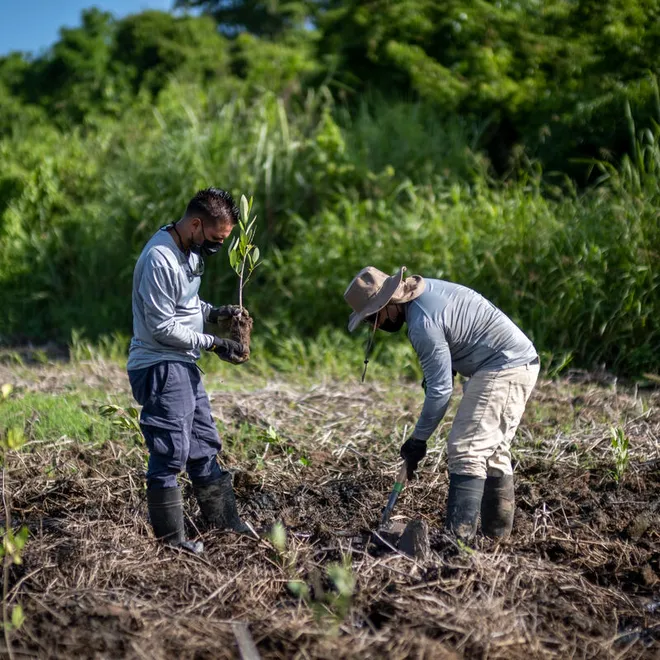
© Ricardo Arduengo / WWF-US
Climate change poses new challenges to conservation. WWF is committed to promoting far-reaching and aggressive reductions in greenhouse gas emissions while, in equal measure, helping communities, companies, governments, and international institutions anticipate and adapt to climate change. WWF’s adaptation and resilience program works with a wide range of partners to accomplish three outcomes:
- manage the uncertainties of climate change at different scales;
- reduce social and environmental risk and vulnerability to multiple hazards; and,
- increase the social, ecological, and institutional resilience of our many partners.
Innovative tools
We develop tools to assess and map climate vulnerability and build capacity among WWF field staff and partners to develop climate-smart approaches to conservation. We have developed a trait-based wildlife vulnerability assessment to update action plans for WWF priority species, and Flowing Forward, a participatory framework that helps landscape stakeholders assess the vulnerability of their surrounding ecosystems to the combined impacts of climate change and economic development.
Download the Climate Change Vulnerability Assessment for Species.

© Karine Aigner/WWF-US
Disaster risk reduction and response
We are working with leading humanitarian organizations and governments to provide guidance and training on better policies and practices for integrating the environment in disaster response and building resiliency for communities impacted by or at risk of disasters.
Human responses to climate change
We are working with other conservation organizations to better understand the changes in weather and climate that communities in Africa are experiencing, and how they are responding to these changes.