© James Morgan
Valuing nature
As economies around the world boom, a key question is how to balance conservation with growth. Without balance, the natural resources we rely on for such things as food and jobs—forests, oceans, wildlife, and more—can suffer.
How, for example, can we guide decisions about where to build new roads so they don’t cause erosion or flooding problems for downstream communities or existing roads? How can we persuade developers not to cut down mangroves when building a seaside resort—as doing so will make people along the coast highly vulnerable to storms and will damage fish nurseries?
And how can we answer these questions now so that the continued overexploitation of nature is lessened?
One way is to take stock of the natural resources in a country or region, as well as the benefits (or “ecosystem services”) they provide to people, before decisions are made about their fate. Doing so uncovers ways to restore and protect nature more effectively and at a larger scale than ever before—even while allowing economies to grow.
Stock-taking can include assessing and mapping the contribution—under different development and climate change scenarios—that rivers, along with forests, grasslands, and other important ecosystems, play in providing clean water for drinking, bathing, farming, and other household needs. Or asking where mangroves, coral reefs, and other coastal habitats provide vital natural barriers that help buffer coastal communities when major storms hit.
These are important concerns for the developed world and the developing world alike, as Californians stressed by a cycle of drought, fires, and floods know all too well. They are also important to address because natural resources, when managed to accommodate change and not just for persistence, help build a country’s resilience to the disruptive impacts of climate change. As more intense heat waves, droughts, and storms affect forests, rivers, and streams, the way we manage these resources must change if we are to continue to benefit from the services they provide to people, wildlife, and businesses.
Why valuing nature matters
© James Morgan/WWF-US
Provide clean water
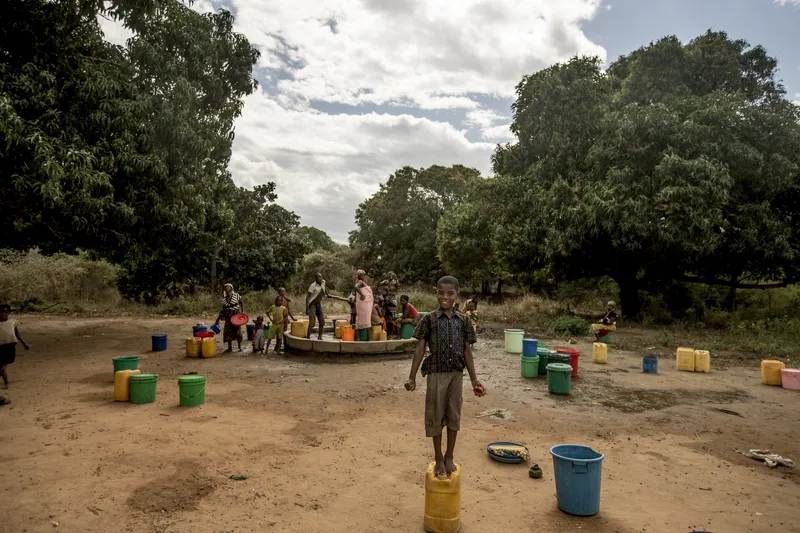
When natural habitats are degraded by agriculture, mining, and the construction of infrastructure, soil erodes and washes into rivers and streams. The result is poor quality drinking water for humans, damaged habitat for many freshwater species, reduced energy generation efficiency in hydropower plants, and more. This is particularly problematic in areas with steep slopes or frequent and intense storms that are due to climate change. Healthy ecosystems play a key role in reducing or slowing the amount of erosion and chemicals that reach waterways.
© Sam DCruz / Shutterstock.com
Prevent flooding and provide enough water
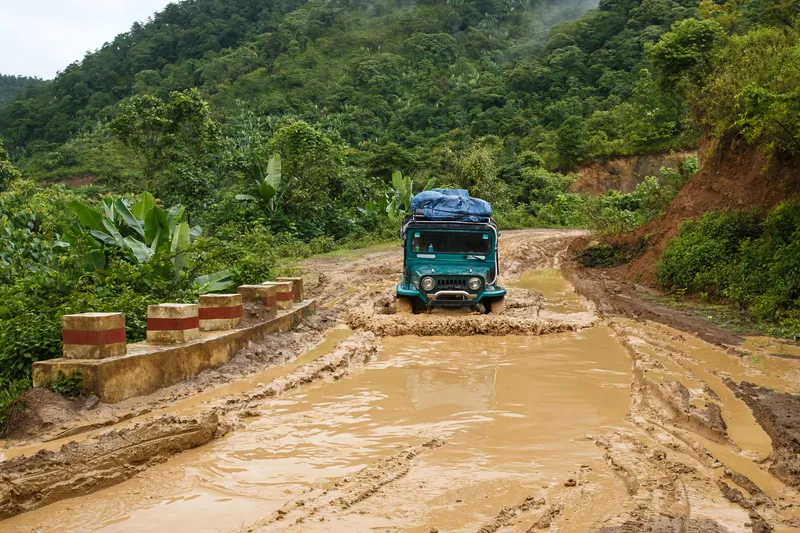
Soils soak up water during heavy rainfall, storing it for slow release to streams and plants so that ecosystems can thrive, even during the drier parts of the year. But when water runs off too quickly or when soils become too compacted to absorb water, flooding usually occurs. This often happens when forests are cleared or degraded by illegal logging and other activities, when grasslands are overgrazed or converted to annual cropping, or when areas are converted to paved or otherwise impervious surfaces.
© Vilainecrevette/ Shutterstock
Protect coastlines
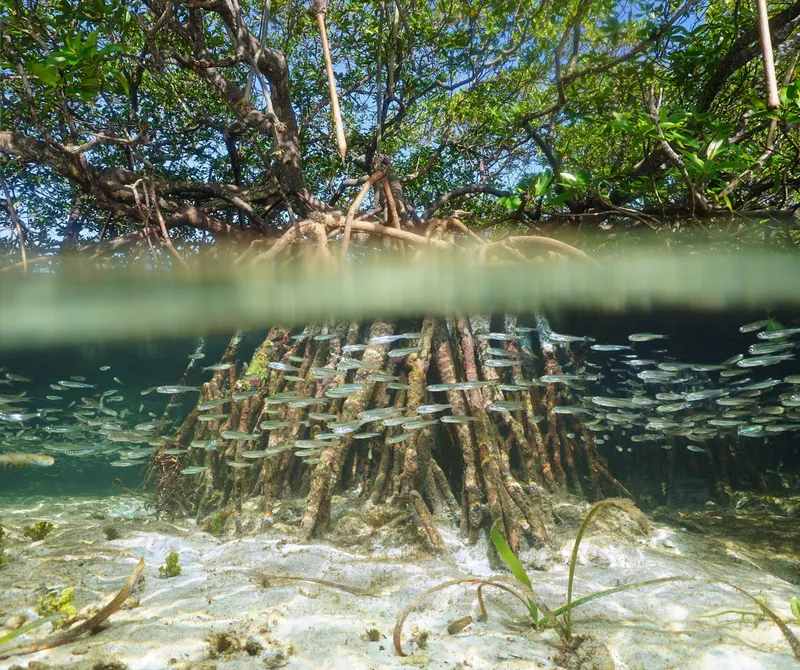
Mangrove forests, coastal vegetation, and coral reefs—all which line the coast—act as a physical barrier between land and shore, helping to protect people and property from cyclones and storm surges. They also provide food and habitat for a large variety of fish, shrimp, and other species that are an essential food source for people living along the coast. Protecting the natural resources along the coast is more important than ever, given that large increases in the frequency and magnitude of flooding are projected as sea levels rise and storms grow in intensity and frequency.
© Nicolas Villaume/WWF-US
Absorb carbon dioxide
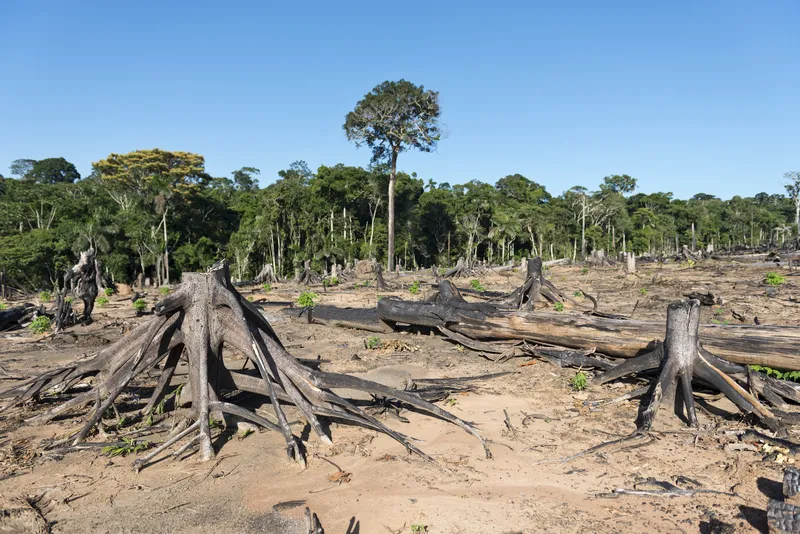
When trees are cut down, the deforested land becomes a source of harmful greenhouse gases instead of serving as an important “sink” that absorbs carbon dioxide. Emissions from deforestation account for approximately 15 percent of global carbon emissions. This is more than the total combined emissions from all cars, trucks, trains, planes, and ships in the world. Carbon sinks are lost, too, when peatlands are drained and turned into palm oil plantations. In Indonesia, for example, peatlands store more carbon per unit area than any other ecosystem in the world.
© Martin Harvey/WWF
Provide habitat for life on Earth
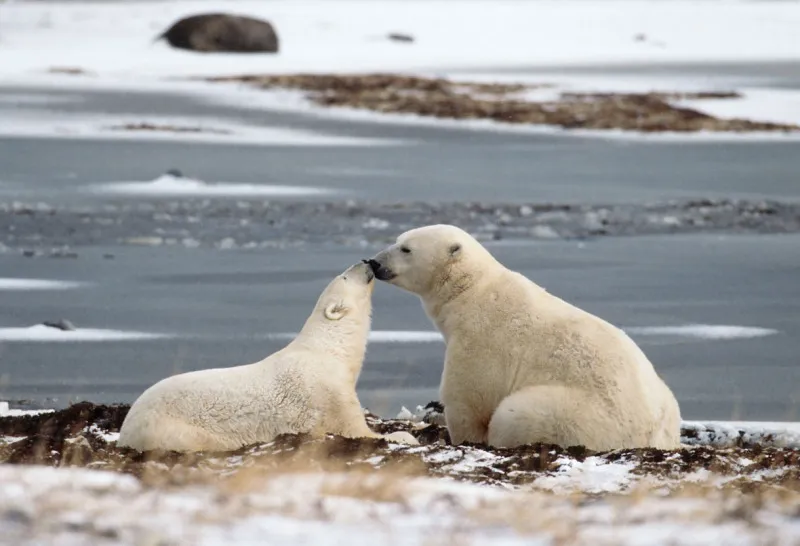
The same forests, grasslands, mountains, oceans, and rivers that are beneficial to people often are ideal habitat for a wide array of species. But much of their habitat is under threat. When new roads are built through natural areas, for example, poaching and vehicle collisions with wildlife can increase. Maneuvering and migrating through their environment becomes more challenging, too, making it harder for wildlife to find food, mate, and more. No species—including people or wildlife—benefit from the habitat under these conditions.
How WWF is taking action

© James Morgan/WWF-US
Over the last 15 years, WWF has been a leader in educating people about why nature matters, creating tools and approaches for them to take stock of their natural resources and helping them use the information generated through this process to grow their economies responsibly. We are now shifting to using the tools and approaches to make the biggest changes possible. We are doing so with a variety of partners, including The Natural Capital Alliance—which includes WWF, The Nature Conservancy, Stanford University, the University of Minnesota, Chinese Academy of Sciences, Natural Capital Insights, and Stockholm Resilience Centre.
Funding for protected areas
WWF and its partners use an innovative funding approach—called Project Finance for Permanence (PFP)—that ensures the long-term financial stability of protected areas or networks of protected areas. It is a means for permanent and full funding for protected areas. The results from natural resource assessments are used to inspire government leaders to support the creation of this type of fund and public and private sector donors to contribute to the fund. For example, a WWF-led assessment of natural resources in the Brazilian Amazon showed that maintaining and adding protected areas across that region could result in a 12 percent increase in water volume available for hydropower production by 2050. This information helped build support for creating a $215 million fund to properly manage forests in the Brazilian Amazon.

© Stephen Kelly
Spatial and development planning
WWF helps countries and regions take stock of their natural resources, then use that information to inform and inspire better decisions on how to grow. For example, in Belize and Myanmar we have worked with our Natural Capital Alliance partners and others to assess the benefits nature provides under different development and climate change scenarios. In Indonesia and the Philippines, we are now working with OECD and local planning agencies to incorporate ecosystem services supporting climate adaptation to plan more resilient infrastructure development. This is moving development planning toward a green economy approach—one in which the sustainable use of natural resources is integrated into a country or region’s plans and policies for the economy, energy, agriculture, land use, foreign investment, and more. The assessments are also used to conduct environmental impact studies for proposed projects; decide where and how much to invest in protecting a country’s natural resources or building new roads and dams; create plans to make coastal communities more resilient to climate change; and more.
Business supply chains
WWF works with companies to raise awareness about why and how to factor the value of nature into business planning and investments. WWF participates in the Natural Capital Alliance, a group of more than 200 entities motivated by the notion that investing in nature can help reduce risks to their business models and supply chains.

© Global Warming Images/WWF
Projects
© Michel Roggo / WWF-Canon
The Natural Capital Alliance
Through pioneering science, cutting-edge technology, and collaborative partnerships worldwide, the Natural Capital Alliance works to integrate the value nature provides to people into all major decisions.
© Green Renaissance / WWF-US
Mozambique’s Lifeline: Nature
Mozambique is instituting a five-year strategy that makes the sustainable management of natural resources and the environment a priority, and to the creation of a program that will focus on protecting the country’s natural capital.
Experts
-
Ryan Bartlett
Director, Climate Risk Management & Resilience
-

Becky Chaplin-Kramer
Global Biodiversity Lead Scientist, Global Science
-
Robin Naidoo
Senior Conservation Scientist and Lead Wildlife Scientist
-
Kate Newman
Vice President, Sustainable Infrastructure and Public Sector Initiatives
-
Nasser Olwero
Director of Information Science, Global Science