-
D
reef fish
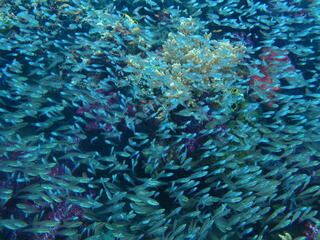
reef fish from Raja Ampat, Coral Triangle -
D
coral reef
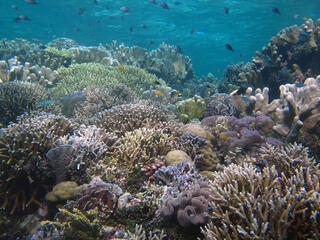
coral reef in Raja Ampat, Coral Triangle -
D
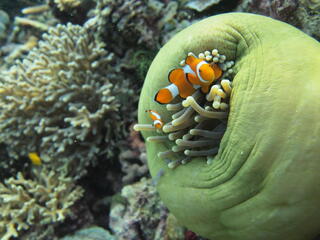
clownfish
clownfish in anemone, Raja Ampat, Bird's Head Seascape, Indonesia, Coral Triangle
-
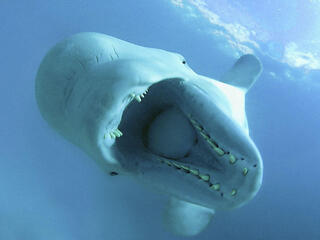
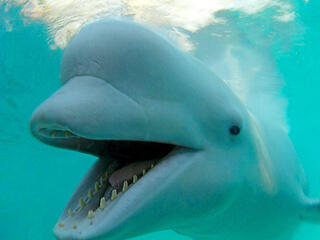
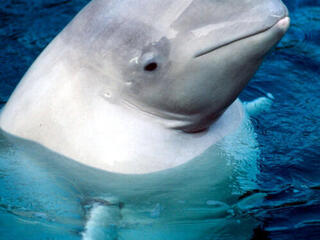
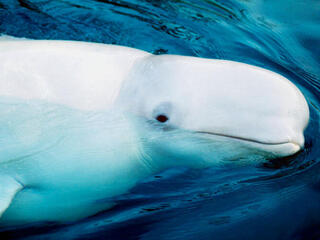
Dbeluga whale
beluga whale -
h
ESaving Coral Reefs, One Fragment at a Time
As climate change continues to warm the ocean, coral reefs may be pushed past their capacity to recover. But there is hope. About 12 miles off the coast of southern Belize, scientists are experimenting with growing and planting corals that are naturally tolerant of warmer... -
Dcuttlefish Tun Mustapha
cuttlefish (related to squid) from Tun Mustapha, Coral Triangle
-
Dcoral reef Tun Mustapha
coral reef in Tun Mustapha -
Dgiant clam Tun Mustapha
giant clam from Tun Mustapha, Coral Triangle -
Dsea cucumber Tun Mustapha
-
D
Tun Mustapha hard coral and reef fish
Hard coral with blenny (reef fish), Tun Mustapha, Coral Triangle -
DPolar bear
-
DEastern Himalayas
-
DMountains
Aerial view of mountains and glacier, Brooks Range, Alaska, United States. -
DClimate change
Floating ice at dawn, Spitsbergen, Svalbard, Norway. -
D Polar bear (Ursus maritimus) walking on sea ice, Spitsbergen, Svalbard, Norway.
-
DAdapting to Climate Change
Parched land due to drought in "Sebkhra de Kelbia" lagoon. Tunisia -
DCoral Triangle
Bleaching corals. West New Britain, Papua New Guinea. 15 May 2010 -
DPolar Bear Cub
-
D Climate change leads to the loss of sea ice in the Arctic, which leads to an increase in sea level rise. -
DFish run repopulates American fisheries
Sockeye (red) Salmon jumping Katmai National Park, Alaska USA -
D
-
DPolar Bear
Ursus maritimus Polar bear Diving Hudson's Bay, Canada -
DPolar Bear
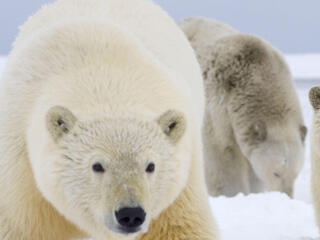
Polar bear (Ursus maritimus) mother and two cubs walk across a snow-covered landscape. Churchill, Canada. Polar bears are threatened by climate change. -
DPolar Bear
-
DPolar Bear
Polar bear (Ursus maritimus) Churchill, Canada. Polar bears are threatened by climate change. -
h
EPolar Bears across the Arctic
As climate change forces polar bears to spend longer time onshore, they come in contact more often with Arctic communities. Unfortunately, these interactions sometimes end badly for humans and bears. In Russia and Alaska, WWF addresses this challenge by supporting local e...