What is CITES?
The Convention on International Trade in Endangered Species of Wild Fauna and Flora (CITES) is a global agreement to regulate or ban international trade in species under threat.
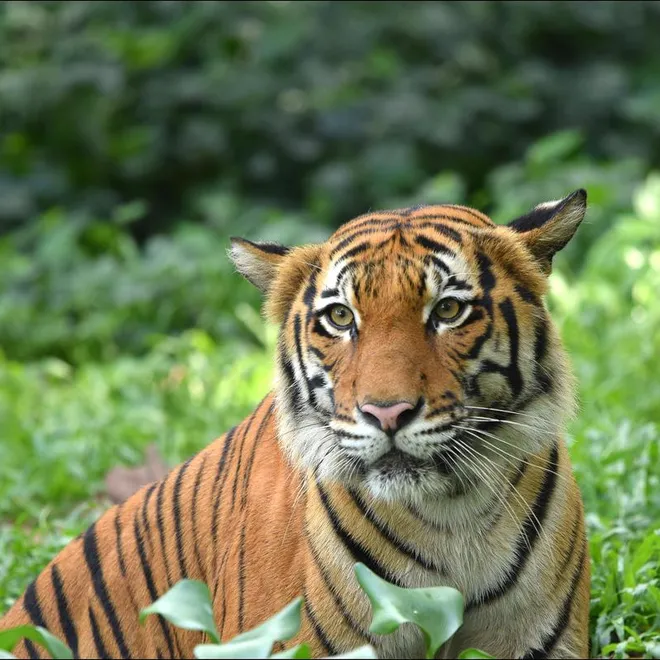
© WWF-Malaysia / Shariff Mohamad
In the mid-20th century, governments were beginning to recognize that trade in some wild animals and plants had a devastating impact on those species. These species were being driven toward extinction through unsustainable use for food, fashion, medicine, pets, and other purposes.
While individual governments could control what happened within their borders, they did not have a way to address the impacts of international trade in these species. In 1973, 21 countries addressed this issue by signing the CITES agreement in Washington, D.C. Today, there are 185 parties to CITES, making it the world’s largest wildlife conservation agreement.
Conservation impacts
CITES is one of the cornerstones of international conservation. The agreement regulates or prohibits trade in more than 38,000 species. Representatives of CITES nations meet every three years at a Conference of the Parties (or COP) to review progress, address challenges like uneven enforcement, and adjust the lists of protected species, which are grouped into three categories with different levels of protection:
- Appendix I: Includes the world’s most endangered plants and animals, such as tigers and gorillas. International commercial trade in these species, including their parts and products, is prohibited, though trade for purposes such as science or law enforcement may be permitted.
- Appendix II: Contains species like corals that are not yet threatened with extinction, but which could become threatened if uncontrolled trade is allowed.
- Appendix III: Countries can unilaterally place a species on Appendix III if that country requires cooperation from other nations to help prevent exploitation.
CITES also brings together law enforcement officers from wildlife authorities, national parks, customs, and police agencies to collaborate on efforts to combat wildlife crime targeted at animals such as elephants and rhinos.
“This convention is one of the best tools we have for addressing international wildlife crime, and countries must hold each other accountable in order to make it even more effective.”
Leigh Henry Senior Policy Advisor, Species Conservation & Advocacy
CITES is a critical global conservation framework that has helped stem illegal and unsustainable trade in wildlife for more than five decades. It has played a key role in the recovery of numerous species and has helped prevent species extinctions.
How does WWF engage with CITES?
© Karine Aigner / naturepl.com / WWF
© Vincent Kneefel / WWF
- WWF has supported CITES since its inception to provide conservation information and recommendations to help ensure that CITES decisions and actions are formulated with the best available science, tools, and insights possible. That includes informing decisions about changes to the CITES Appendices and the technical elements of CITES implementation and enforcement that make CITES work effectively. This includes holding countries accountable for their obligations and commitments under the convention.
- CITES is more than a treaty; it is a global community of governments, private sector organizations, conservation groups, local communities, Indigenous Peoples, and scientists that work to ensure that CITES meets its mission, albeit through the lens of their own objectives and interests. WWF engages across this community, often navigating major differences of opinion on the way forward.
- WWF also provides tools to support CITES enforcement and works with partners to conduct research on species affected by trade.
- Because CITES spans much of the wildlife, ecosystems, and priority places that WWF works, WWF seeks to ensure its processes reinforce conservation outcomes that secure lasting benefits for people and nature.
© Pete Oxford / naturepl.com / WWF