© WWF
Russell E. Train Education for Nature
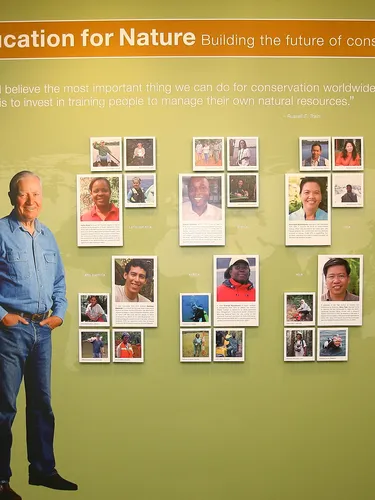
WWF knows that investing in training and education is critical for biodiversity conservation. That's why, for 30 years, the Russell E. Train Education for Nature Program (EFN) has been providing financial support to conservation leaders in Africa, Asia, and Latin America to gain the skills and knowledge they need to address the conservation challenges in their home countries. EFN supports conservationists in pursuing graduate studies, attending short-term training courses, and training local communities in WWF priority places.
Started in 1994 to honor the late Russell E. Train, founder, president, and chairman of the board of WWF. EFN upholds Mr. Train’s vision of putting ownership of natural resources in local hands in the work it does every day.
-
4,300 grants globally
EFN has supported more than 4,300 individuals and organizations globally, and counts among its many outstanding grantees, Laos's first primatologist, Gabon's only female national park warden, and Peru's leading orchid expert.
Fellowships and grants
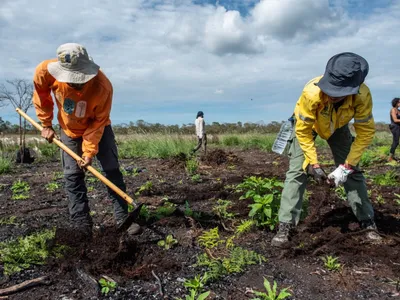
Alumni grants
© Lucas Ninno
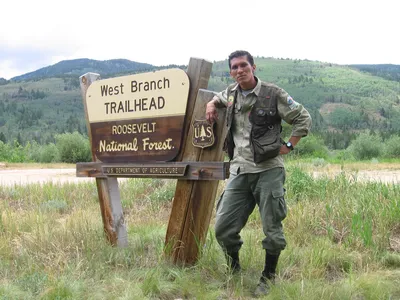
Short-term grants
© WWF
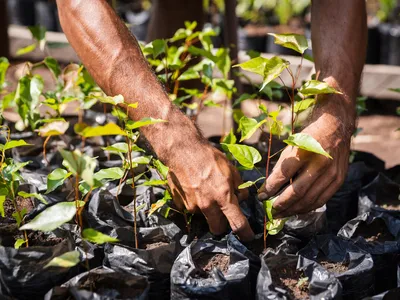
Restoration grant
© WWF/Tatiana Cardeal
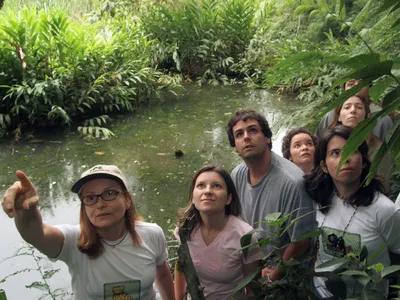
Russell E. Train Fellowships
© CLÁUDIO ROSSI
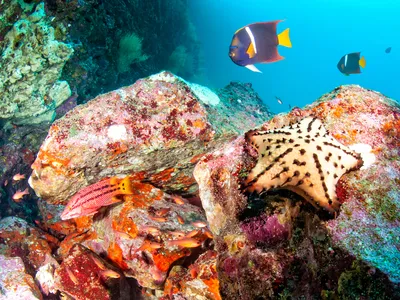
Fonseca Leadership Program
© Antonio Busiello / WWF-US
How WWF is taking action to support local conservation

© Eli Wittum
Building conservation leaders
Today’s conservation challenges are more complex than ever before and require advanced skills and knowledge to tackle. Through EFN, WWF is building the next generation of conservation leaders who are committed to addressing these challenges and protecting the world’s most biologically diverse places. With funding from WWF, conservationists can pursue graduate studies, attend short-term training courses, and build institutional capacity to train local communities.
To date, the program has supported 3,700 individuals and 600 institutions across 60 countries. These individuals and organizations play a key role in not only protecting species and habitats but also leading research, communicating science, changing policy, and mentoring the next generation of conservationists in their countries.
Advancing reforestation and restoration efforts globally
To address the complex demands that forests face, WWF supports locally based organizations in some of the world’s most biodiverse forests to conduct reforestation and restoration activities. Relying primarily on native tree species, funded projects have planted over 2 million trees on more than 1,000 hectares of degraded tropical forests and wetlands and trained 17,000+ community members. Additionally, in partnership with leading training providers, WWF also brings together current and past grant recipients to participate in a five-day practitioner workshop to build skills, share best practices, and strengthen the restoration alumni network.
Strengthening alumni connections
EFN alumni are tackling critical environmental challenges while also making the conservation community more diverse and impactful than ever before. WWF is committed to ensuring alumni continue to advance in their careers and become a voice for conservation by providing ongoing support for education, training, and research opportunities.
EFN also works to establish a professional network for alumni through our LinkedIn and Facebook pages. These platforms provide program news and information about upcoming grant opportunities, conferences, and training courses for conservationists worldwide. These groups are open to all alumni to connect with others in their field, country, or region. We encourage alumni to join and stay connected.
Remembering the Train Legacy
Russell E. Train, renowned conservationist and EFN’s namesake, passed away in 2012. Supporters from around the globe sent meaningful and generous donations toward continuing his legacy of building conservation capacity worldwide. These memorial contributions are being used to support the Russell E. Train Legacy Program.
In 2017, Aileen Bowdoin Train passed away peacefully in her home. She was an early champion of conservation who dedicated her life to the protection of wildlife and wild places around the world. Both Mr. and Mrs. Train shared a profound commitment to building local conservation leadership and institutions throughout the world.
“I believe the most important thing we can do for conservation worldwide is to invest in the training of men and women to manage their own natural resources.”
Russell E. Train Former Founder and Chairman Emeritus of World Wildlife Fund
Experts

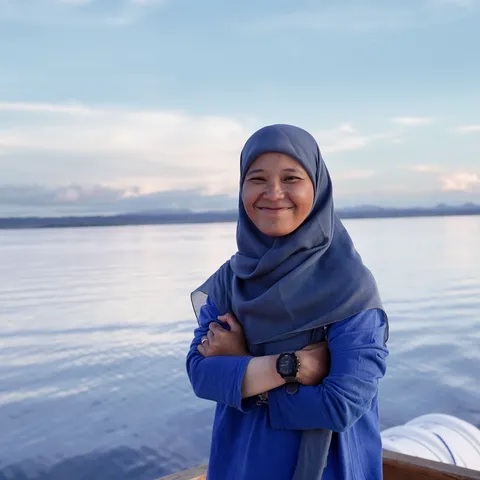
2025 Fellowships
WWF announces 70 Fellows and Scholars advancing conservation leadership in Africa, Asia, and Latin America and the Caribbean
© David Hermanjaya
News and stories
-

© WWF-US
WWF announces recipients of the 2024 WWF Russell E. Train Education for Nature fellowships -
© WWF-US/Nicole Franco
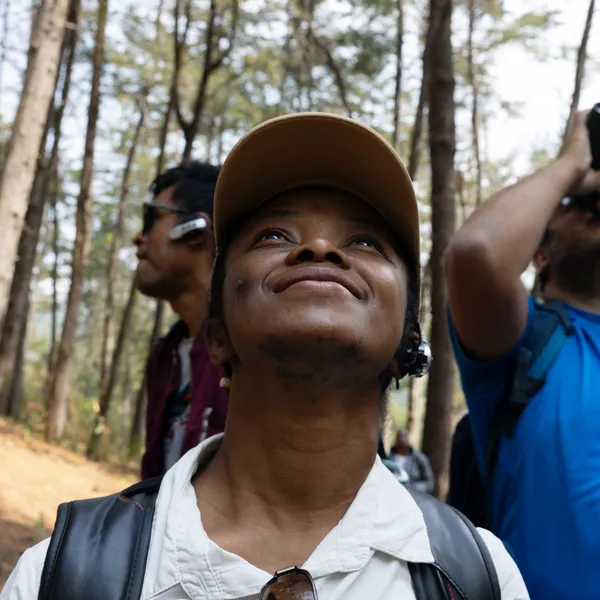
WWF celebrates 30 years of the Russell E. Train Education for Nature Program -
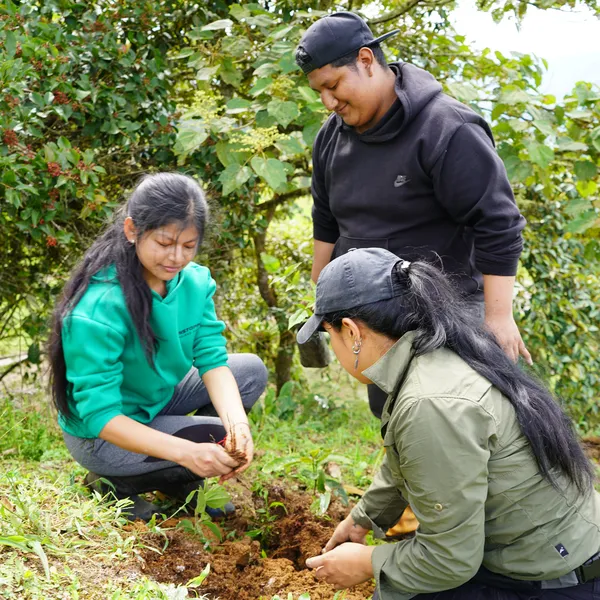
© Fundacion Aliados
WWF awards grants to community-based organizations to enhance local conservation leadership