-
Turning Climate Protection into Cash Savings
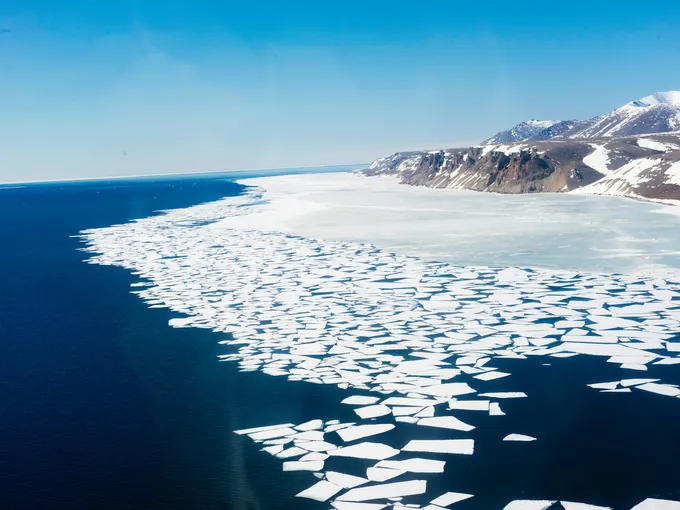
June 18, 2013A new report by WWF and the Carbon Disclosure Project details the enormous savings corporations can accrue by scaling up climate protection at a rate that is on track with what scientists recommend.
-
In Borneo's Forests, Impacts and Opportunities
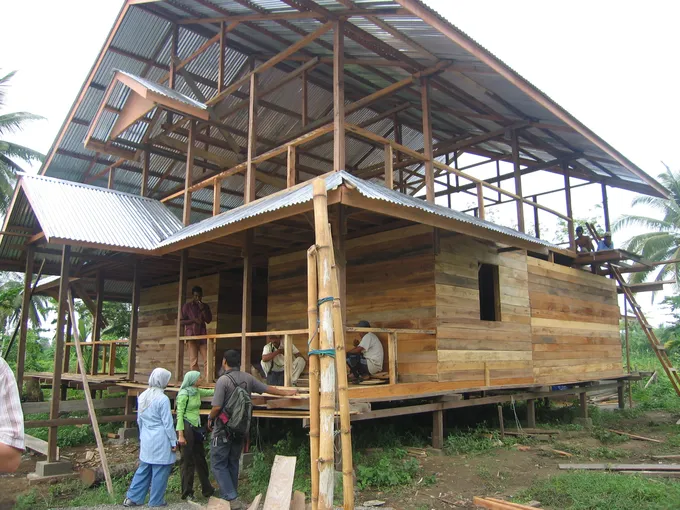
June 03, 2013WWF is working to reduce deforestation in Borneo through promoting Forest Stewardship Council (FSC) certification of wood and paper products.
-
Ushering in a future of cooperation and water security
March 22, 2013Karin Krchnak, director of WWF's Freshwater Program, journeyed by canoe down the Rio Grande through Big Bend National Park, witnessing firsthand the power of partnership in finding a solution to maintaining abundant sources of clean water.
-
Working together for responsible forest management
March 21, 2013Kerry Cesareo, WWF's Managing Director of Forests, discusses how forest stewardship can help protect vulnerable forests from illegal logging, encroachment and conversion to farmland.
-
A Hard Look at Sustainability Certifications
December 14, 2012WWF’s Jason Clay examines the impacts of certification and its potential to achieve lasting results for conservation and people
-
In Vietnam, Helping Catfish Farming Become More Sustainable
November 27, 2012Farmed seafood is a rapidly growing industry and will represent a major source of protein in the worlds future food supply. It is imperative that farmed seafood is produced responsibly. A new certification agreement in Vietnam is a model for how both government and industry can ensure that is the case in the future.
-
Leading Change on the Water
November 20, 2012Fisheries are complex entities with multiple actors and pressures shaping their future. Jesse Marsh leads WWF’s Major Buyer Initiative, which works with leading seafood buyers to advance their commitments to sustainable seafood and support suppliers on their journey towards Marine Stewardship Council (MSC) certification.
-
Freezing the Footprint of Food
October 23, 2012By the year 2050, our planet will be home to another two billion people. How and where we will we feed everyone has become one of the most pressing conservation issues of the 21st century. At WWF, we have identified eight steps, when taken together, could produce enough food for all and still maintain a living planet.
-
Delivering Results for People and Nature
Since 2007, WWF and The Coca-Cola Company have worked together to conserve and protect fresh water around the world as rising populations and climate change put increased pressure on this resource.
-
Banking on Sustainability
As growing populations put greater strain on raw materials and natural resources, financial institutions are taking notice. WWF understands that working closely with the finance industry is a critical way to influence agribusiness all over the world. Together, we can advance sustainable production of food, fiber, and fuel that impact the ecologically important regions that WWF seeks to protect.