Stories
-
Rare Dolphin Offered a Second Chance
November 15, 2012There are fewer than 100 Irrawaddy dolphins in the Mekong River of Southeast Asia, and researchers fear the numbers are shrinking even further. But now the dolphins may have something to smile about. In September local government agencies in Cambodia agreed to work with WWF to conserve dolphins and minimize or eliminate deaths from gillnets.
-
Good News for Mountain Gorillas
November 13, 2012A population increase for mountain gorillas is proof that the intense and innovative efforts of the conservation community are bringing positive change. A recent census by the Uganda Wildlife Authority identified 400 mountain gorillas in Bwindi National Park bringing the overall population estimate to 880, an increase from the 786 estimated in 2010.
-
Secretary of State Clinton Calls for End to Illegal Wildlife Trafficking
November 08, 2012WWF’s campaign to stop wildlife crime gained a powerful champion—U.S. Secretary of State Hillary Clinton. On November 8, the U.S. State Department held an unprecedented event on illegal wildlife trafficking and conservation. In her remarks, Secretary Clinton called for an end to illicit wildlife trafficking, which she emphasized as a major foreign policy and security issue.
-
Hope for an End to Wildlife Crime
November 07, 2012Crawford Allan, Regional Director, TRAFFIC North America, has translated his passion for the natural world into a long and fulfilling career. While he has seen the impact of illegal killing of rare species first hand and uncovered illicit wildlife trade in blackmarkets in dozens of countries, he remains hopeful.
-
The Mighty Mekong at Risk
November 07, 2012The Mekong River’s spectacular biodiversity, rich fisheries and the livelihoods of millions are all at grave risk after the government of Laos broke ground on November 7, 2012 on a massive hydropower dam. The Xayaburi dam will be the first dam to span the entire mainstem of the lower Mekong River—home to more than 1100 freshwater fish species.
-
New Hope for Marine Life
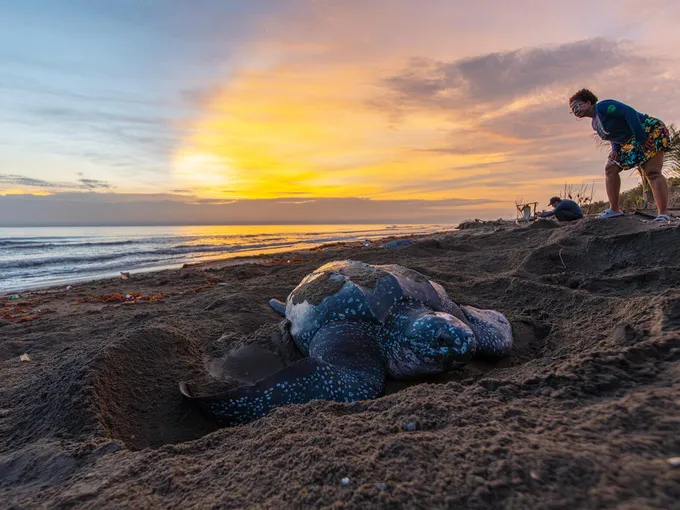
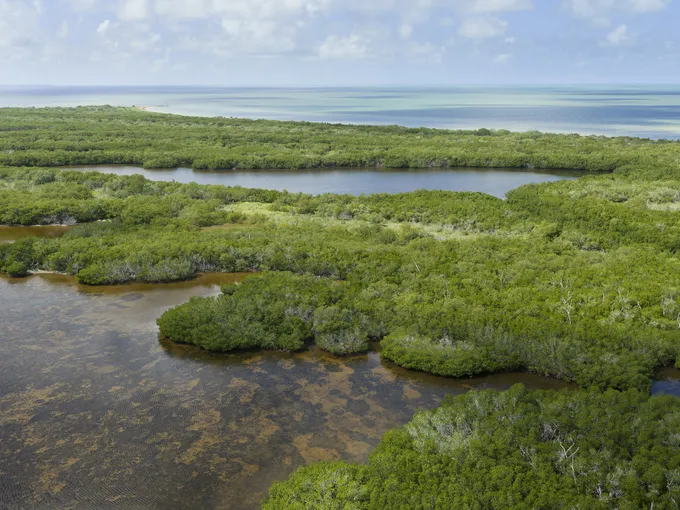
November 06, 2012On November 6, 2012, the Government of Mozambique announced the creation of the second largest marine protected area in Africa. Made up of ten islands off the coast of northern Mozambique, this coastal marine reserve in the Primeiras and Segundas Archipelago will cover more than 4020 square miles and contains abundant coral and turtle species.
-
Record Rains Motivate Vermont Citizens to Prepare for a Changing Climate
November 02, 2012Record rains in 2011, coupled with a tradition of environmental leadership and citizen engagement, moved the city of Burlington, Vermont, to update its Climate Action Plan and join WWF’s Earth Hour City Challenge. Hear their story and learn why Jennifer Green, the city’s sustainability coordinator, is determined to make a difference.
-
Pallas’s Cat Photographed for First Time in Bhutan
October 31, 2012Camera traps have captured the first-ever photographic evidence of the Pallas’s cat in Bhutan’s Wangchuck Centennial Park (WCP). Also known as manul, this cat is a primitive species, defined by a strikingly flat head with high-set eyes and low-set ears that enable it to peer over rocky ledges in search of prey.
-
Peru Takes Major Step for Amazon Conservation
October 31, 2012There is new and critical protection for wildlife and indigenous communities in one of the most biodiverse places on Earth. The government of Peru designated three new Amazon protected areas-encompassing nearly 1.5 million acres-securing a tri-national conservation corridor.
-
Marine Expedition Reveals Fascinating Species and Urgent Need for Protection
October 24, 2012The ovulid sea snail boasts a remarkable ability to camouflage itself by taking on the appearance of its favorite food—corals. A new underwater survey by WWF and other scientists recently found at least 25 different species of these beautifully colored and patterned snails in an area of the Coral Triangle. The two-and-a-half-week survey was part of a scientific expedition to explore the underwater world of Tun Mustapha Park—a proposed marine protected area.
-
Hong Kong Ivory Bust Underscores Global Scale of Wildlife Crime
October 23, 2012A major ivory seizure in Hong Kong uncovered roughly four tons of ivory products—estimated to be valued at over $3.4 million and potentially equivalent to 500 elephants.
-
Freezing the Footprint of Food
October 23, 2012By the year 2050, our planet will be home to another two billion people. How and where we will we feed everyone has become one of the most pressing conservation issues of the 21st century. At WWF, we have identified eight steps, when taken together, could produce enough food for all and still maintain a living planet.
-
New Transboundary Corridor Established for Tigers
October 22, 2012On October 18, 2012, Russia established the “Sredneussuriisky” Wildlife Refuge—covering nearly 180,000 acres—which will allow Amur tigers access between Russia’s Sikhote-Alin mountains and the Wandashan mountains in China.
-
Protecting the World’s Common Oceans
October 19, 2012There is new hope for conservation of the world’s oceans. Governments discussing the Convention on Biological Diversity in Hyderbad, India, on Thursday, October 18, 2012 agreed on a way forward to protect oceans and initiated a process to improve conservation standards for marine areas beyond national jurisdiction.
-
More Tigers in American Backyards than in the Wild
October 18, 2012One of the world’s largest populations of tigers exists not in the wild—but in captivity in the United States. With an estimated 5,000 tigers, the U.S. captive tiger population exceeds the approximately 3,200 tigers in the wild. A year after the tragedy in Zanesville, Ohio, continued lax management of the captive tiger population means that thousands of these big cats are still found in backyards, urban apartments, sideshows, truck stops and private breeding facilities.
-
Record Poaching for Rhinos in South Africa
October 17, 2012On October 16, 2012 South African authorities confirmed that a record 455 rhinos have been lost to poaching this year. The number exceeds the 448 rhinos killed for their horns during all of 2011.
-
New Protection for Elephant and Gorilla Habitats
October 11, 2012A new designation by the Republic of Congo provides vital habitat to endangered species and preserves nature’s value for surrounding communities.
-
Taking Action to Preserve Nature's Value
October 10, 2012 -
Using Chilies to Protect Maize Fields and Elephants
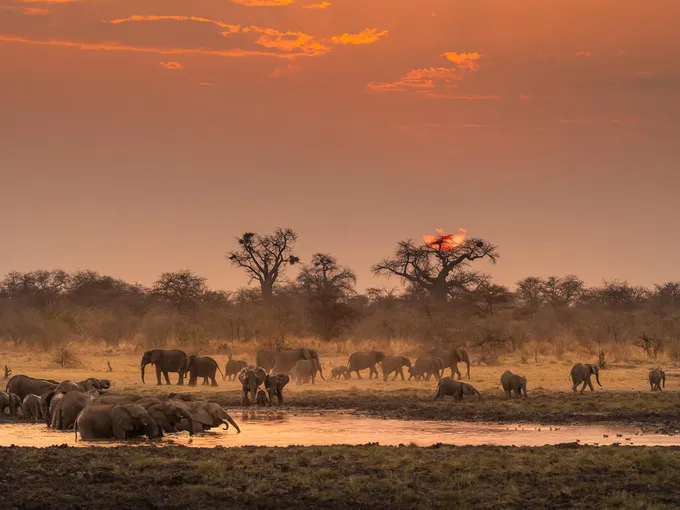
October 02, 2012The maize harvest is a crucial source of food for the Kakwenga family in but erratic rains and raids by elephants make a good harvest problematic. Farmers can’t guard their crops twenty-four hours a day so they have started using chili bombs—a mixture of ingredients which give off a spicy, pungent smell that offends elephants’ sensitive trunks and drives them away from crops.
-
An Opportunity for Growth and Prosperity in Indonesia’s Waters
October 02, 2012The Sunda Banda Seacape in eastern Indonesia includes a wide variety of communities and provides critical habitat for many marine species. WWF is working with the Indonesian Government to create a network of Marine Protected Areas (MPAs), which will span thousands of square miles and help protect the ocean environment.
-
New Hope for Javan Rhinos
September 27, 2012Indonesia is home to the only population of Javan rhinos left on the planet. Only about 40 of these rhinos exist there—making the Javan rhino one of the rarest mammals in the world. Because the Javan rhino population is so small and isolated, WWF and its partners are seeking wide agreement and political endorsement for a new, safe and healthy Javan rhino habitat.
-
African Religious Leaders Join Forces to Help Stop Illegal Wildlife Trade
September 21, 2012On September 21, 2012, WWF and The Alliance of Religions and Conservation (ARC) announced a first-ever partnership with faith leaders from across Africa to unite against the killing of endangered species caused by illegal wildlife trade.
-
New Technology to Fight Wildlife Crime
September 12, 2012The use of technologies like unmanned aerial vehicles gives park rangers a vital advantage against dangerously armed poachers.
-
In Namibia, a Landscape Both Unforgiving and Awe-Inspiring
September 06, 2012The people of Namibia possess a hard-to-grasp reverence for their landscape. No matter how little rain falls on the southern African country, or how strongly an unforgiving sun bakes the earth, or how swirly dust devils get when they whip across dry river beds, Namibians still respect the natural assets that surround them.