Stories
-
Peru Takes Major Step for Amazon Conservation
October 31, 2012There is new and critical protection for wildlife and indigenous communities in one of the most biodiverse places on Earth. The government of Peru designated three new Amazon protected areas-encompassing nearly 1.5 million acres-securing a tri-national conservation corridor.
-
Marine Expedition Reveals Fascinating Species and Urgent Need for Protection
October 24, 2012The ovulid sea snail boasts a remarkable ability to camouflage itself by taking on the appearance of its favorite food—corals. A new underwater survey by WWF and other scientists recently found at least 25 different species of these beautifully colored and patterned snails in an area of the Coral Triangle. The two-and-a-half-week survey was part of a scientific expedition to explore the underwater world of Tun Mustapha Park—a proposed marine protected area.
-
Hong Kong Ivory Bust Underscores Global Scale of Wildlife Crime
October 23, 2012A major ivory seizure in Hong Kong uncovered roughly four tons of ivory products—estimated to be valued at over $3.4 million and potentially equivalent to 500 elephants.
-
Freezing the Footprint of Food
October 23, 2012By the year 2050, our planet will be home to another two billion people. How and where we will we feed everyone has become one of the most pressing conservation issues of the 21st century. At WWF, we have identified eight steps, when taken together, could produce enough food for all and still maintain a living planet.
-
New Transboundary Corridor Established for Tigers
October 22, 2012On October 18, 2012, Russia established the “Sredneussuriisky” Wildlife Refuge—covering nearly 180,000 acres—which will allow Amur tigers access between Russia’s Sikhote-Alin mountains and the Wandashan mountains in China.
-
Protecting the World’s Common Oceans
October 19, 2012There is new hope for conservation of the world’s oceans. Governments discussing the Convention on Biological Diversity in Hyderbad, India, on Thursday, October 18, 2012 agreed on a way forward to protect oceans and initiated a process to improve conservation standards for marine areas beyond national jurisdiction.
-
More Tigers in American Backyards than in the Wild
October 18, 2012One of the world’s largest populations of tigers exists not in the wild—but in captivity in the United States. With an estimated 5,000 tigers, the U.S. captive tiger population exceeds the approximately 3,200 tigers in the wild. A year after the tragedy in Zanesville, Ohio, continued lax management of the captive tiger population means that thousands of these big cats are still found in backyards, urban apartments, sideshows, truck stops and private breeding facilities.
-
Record Poaching for Rhinos in South Africa
October 17, 2012On October 16, 2012 South African authorities confirmed that a record 455 rhinos have been lost to poaching this year. The number exceeds the 448 rhinos killed for their horns during all of 2011.
-
New Protection for Elephant and Gorilla Habitats
October 11, 2012A new designation by the Republic of Congo provides vital habitat to endangered species and preserves nature’s value for surrounding communities.
-
Taking Action to Preserve Nature's Value
October 10, 2012 -
Using Chilies to Protect Maize Fields and Elephants
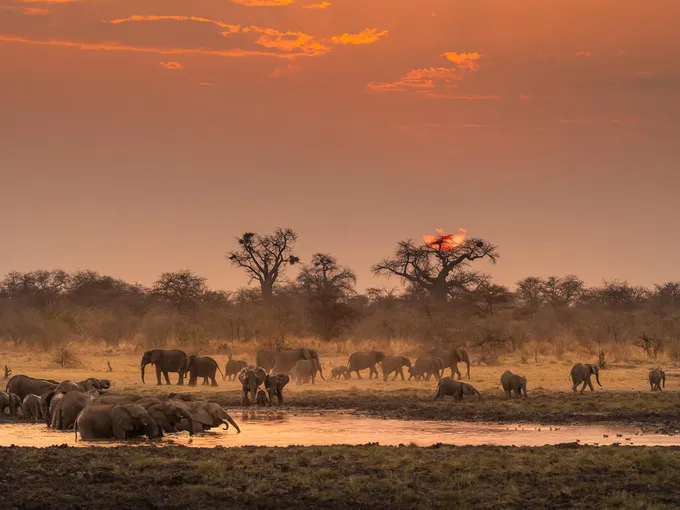
October 02, 2012The maize harvest is a crucial source of food for the Kakwenga family in but erratic rains and raids by elephants make a good harvest problematic. Farmers can’t guard their crops twenty-four hours a day so they have started using chili bombs—a mixture of ingredients which give off a spicy, pungent smell that offends elephants’ sensitive trunks and drives them away from crops.
-
An Opportunity for Growth and Prosperity in Indonesia’s Waters
October 02, 2012The Sunda Banda Seacape in eastern Indonesia includes a wide variety of communities and provides critical habitat for many marine species. WWF is working with the Indonesian Government to create a network of Marine Protected Areas (MPAs), which will span thousands of square miles and help protect the ocean environment.
-
New Hope for Javan Rhinos
September 27, 2012Indonesia is home to the only population of Javan rhinos left on the planet. Only about 40 of these rhinos exist there—making the Javan rhino one of the rarest mammals in the world. Because the Javan rhino population is so small and isolated, WWF and its partners are seeking wide agreement and political endorsement for a new, safe and healthy Javan rhino habitat.
-
African Religious Leaders Join Forces to Help Stop Illegal Wildlife Trade
September 21, 2012On September 21, 2012, WWF and The Alliance of Religions and Conservation (ARC) announced a first-ever partnership with faith leaders from across Africa to unite against the killing of endangered species caused by illegal wildlife trade.
-
New Technology to Fight Wildlife Crime
September 12, 2012The use of technologies like unmanned aerial vehicles gives park rangers a vital advantage against dangerously armed poachers.
-
In Namibia, a Landscape Both Unforgiving and Awe-Inspiring
September 06, 2012The people of Namibia possess a hard-to-grasp reverence for their landscape. No matter how little rain falls on the southern African country, or how strongly an unforgiving sun bakes the earth, or how swirly dust devils get when they whip across dry river beds, Namibians still respect the natural assets that surround them.
-
Conserving Kamchatka Salmon through Marine Stewardship Council Certification
September 04, 2012In the pristine Kamchatka Peninsula on the eastern coast of Russia, salmon is the keystone species of coastal ecosystems and human economies. On September 4, 2012 the Ozernaya sockeye salmon fishery in this region was certified sustainable by the Marine Stewardship Council (MSC).
-
WWF Works to Protect Alaska as Oil and Gas Drilling Raises Concerns
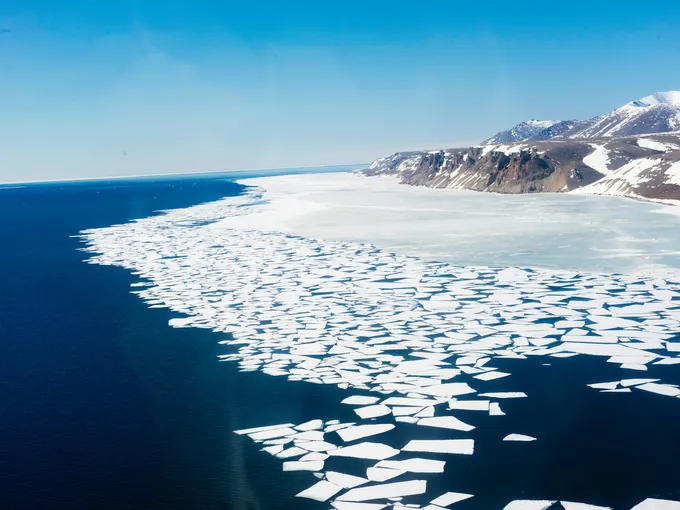
August 30, 2012Shell Oil Company has been granted permission by the U.S. government to begin preparatory drilling in Alaska’s Chukchi Sea. Layla Hughes, WWF’s expert on oil and gas development, shares her concerns and what WWF is doing to address them.
-
The Crisis That Is Killing Rhinos
August 28, 2012Rhino poaching crisis in South Africa is at an unprecedented level. A new report details how the fate of South Africa’s rhinos is inextricably linked with market demand in Vietnam—a country that recently saw its own rhino population slip into extinction.
-
Responsibly Farmed Seafood: A Taste of Things to Come
August 20, 2012When done responsibly, fish farming—also known as aquaculture—presents a solution to meeting the increasing food demand of a growing global population. Farmed seafood already accounts for more than half of all the fish and shellfish we eat.
-
More Tigers in Nepal
August 09, 2012Camera traps identify a greater number of tigers in the region.
-
Rangers on the Frontlines of Conservation
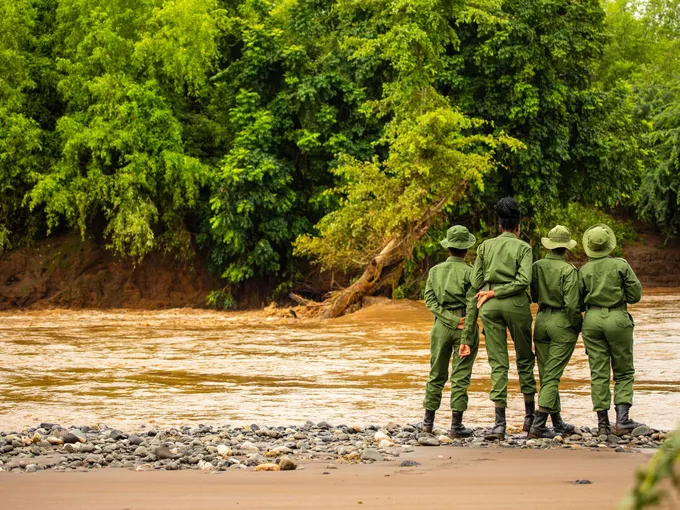
July 31, 2012On the frontlines of conservation, rangers protect the world’s natural and cultural treasures.
-
Communities Find a Voice through Photography
July 23, 2012A new program lets local villagers in Indonesia use photography to capture remarkable scenes of the natural world.
-
WWF Joins U.S. Secretary of State to Help Conservation in the Lower Mekong
July 19, 2012WWF and Secretary of State Clinton partner to help conservation in the Lower Mekong region.