Climate change and the Southwest Pacific Ocean
Life in the region's coral reefs, mangroves, and communities face increasing threats
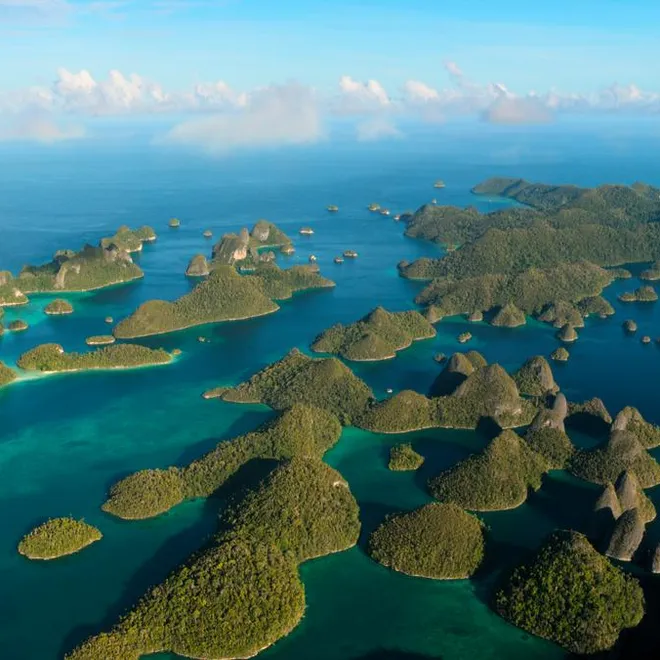
© Gemilang Dini Ar-Rasyid /Silverback/Netflix
The Southwest Pacific is one of the world's most biologically rich marine regions, home to six of the seven sea turtle species and thousands of species of reef fish. Spanning Indonesia, Papua New Guinea, the Solomon Islands, Fiji, and beyond, the region supports some of the planet's most diverse coral reef ecosystems while providing food, livelihoods, and economic opportunities for more than 120 million people.
These waters are more than a biodiversity hotspot. Coral reefs, mangroves, and seagrass meadows protect coastlines from storms, support fisheries, and help store carbon, making them important natural defenses against climate change. As global temperatures rise, however, the ecosystems that sustain both wildlife and communities are coming under increasing pressure.
Climate pressures on the southwest Pacific

© Vincent Kneefel / WWF
The Southwest Pacific is on the front lines of climate change. Sea levels across the region are rising faster than the global average, increasing coastal erosion, flooding risks, and saltwater intrusion into freshwater supplies.1 The loss of natural coastal protections such as coral reefs and mangrove forests further leaves communities vulnerable to the impacts of rising seas and stronger storms.
Ocean warming is also transforming ecosystems throughout the region. Temperatures in parts of the Southwest Pacific are increasing two to three times faster than the global average, contributing to marine heatwaves, shifting species distributions, and widespread coral bleaching.1 The region's last tropical glacier, located in Indonesia's Jayawijaya Mountains, is projected to disappear in the near future, underscoring the scale of climate-driven change already underway.2
Coral reefs are among the ecosystems most at risk. During the global coral bleaching event that lasted from 2023 to 2025, bleaching-level heat stress affected 84% of the world's coral reef area.3 Rising ocean temperatures and increasing ocean acidification are making it more difficult for corals to survive, recover, and build reef structures. As reefs decline, fish populations lose critical habitat, threatening biodiversity, fisheries, and the food security of communities that depend on healthy oceans.
Climate change is also intensifying extreme weather events across the region. Stronger cyclones, storm surges, and marine heatwaves are causing increasing damage to coastal communities and ecosystems. As these hazards become more frequent and severe, they place growing pressure on infrastructure, local economies, and the natural systems that support life throughout the Southwest Pacific.1
Creating a more resilient future

© Jürgen Freund / WWF
In the face of mounting climate challenges, countries throughout the Southwest Pacific are investing in nature-based solutions that strengthen both environmental and community resilience. Protecting and restoring coastal ecosystems such as mangroves and coral reefs can help reduce climate risks while supporting biodiversity and local livelihoods.
Community-led conservation is playing a central role in these efforts. In Fiji's Nadogo District, WWF partnered with local communities to expand mangrove protection by an additional 160 acres, helping strengthen coastal defenses against erosion and storm impacts while providing habitat for marine life. Across the region, WWF also works with governments, businesses, and fishing communities to promote more sustainable fisheries management and long-term ocean stewardship.
As sea levels continue to rise and ocean temperatures climb, protecting the Southwest Pacific's marine ecosystems will be critical for safeguarding biodiversity, supporting food security, and helping coastal communities adapt to a rapidly changing climate. The future of the region depends not only on reducing global emissions, but also on investing in conservation solutions that strengthen resilience for both people and nature.
References
1 World Meteorological Organization. (2023). Climate change impacts increase in South-West Pacific.
2 United Nations. (2026, July 7). Southwest Pacific's last tropical glacier could vanish within months. UN News.
3 National Oceanic and Atmospheric Administration. (2026). World's fourth mass coral bleaching event likely ended in 2025. National Environmental Satellite, Data, and Information Service.
Other
Asian Development Bank. (2025). Asia-Pacific climate report 2025: Unlocking nature for development.
Coral Triangle Conservation Fund. (2024). Where we work.