Coalition to End Wildlife Trafficking Online
The world’s most endangered species are under threat from an unsuspecting source—the Internet.
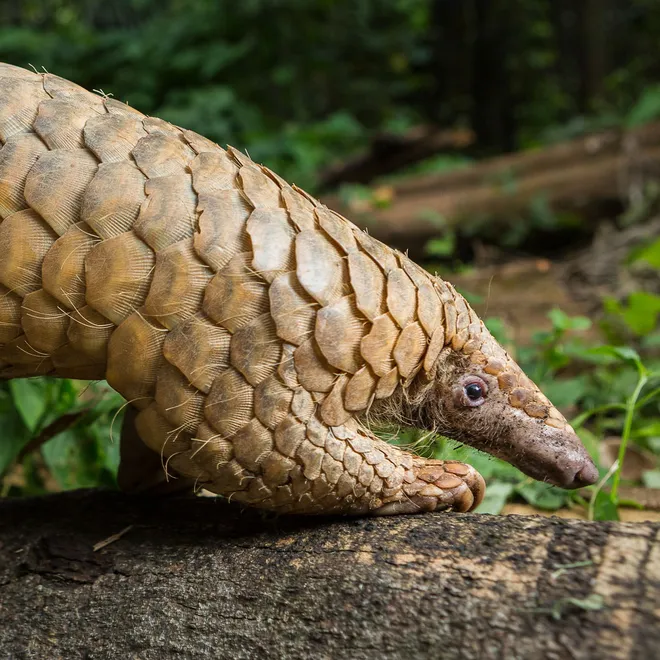
© naturepl.com / Jak Wonderley / Wild Wonders of China / WWF
Advances in technology and connectivity across the world, combined with rising buying power and demand for illegal wildlife products, have increased the ease of exchange from poacher to consumer. As a result, an unregulated online market allows criminals to sell illegally obtained wildlife products across the globe. Purchasing elephant ivory, tiger cubs, and pangolin scales is as easy as tap, pay, ship.
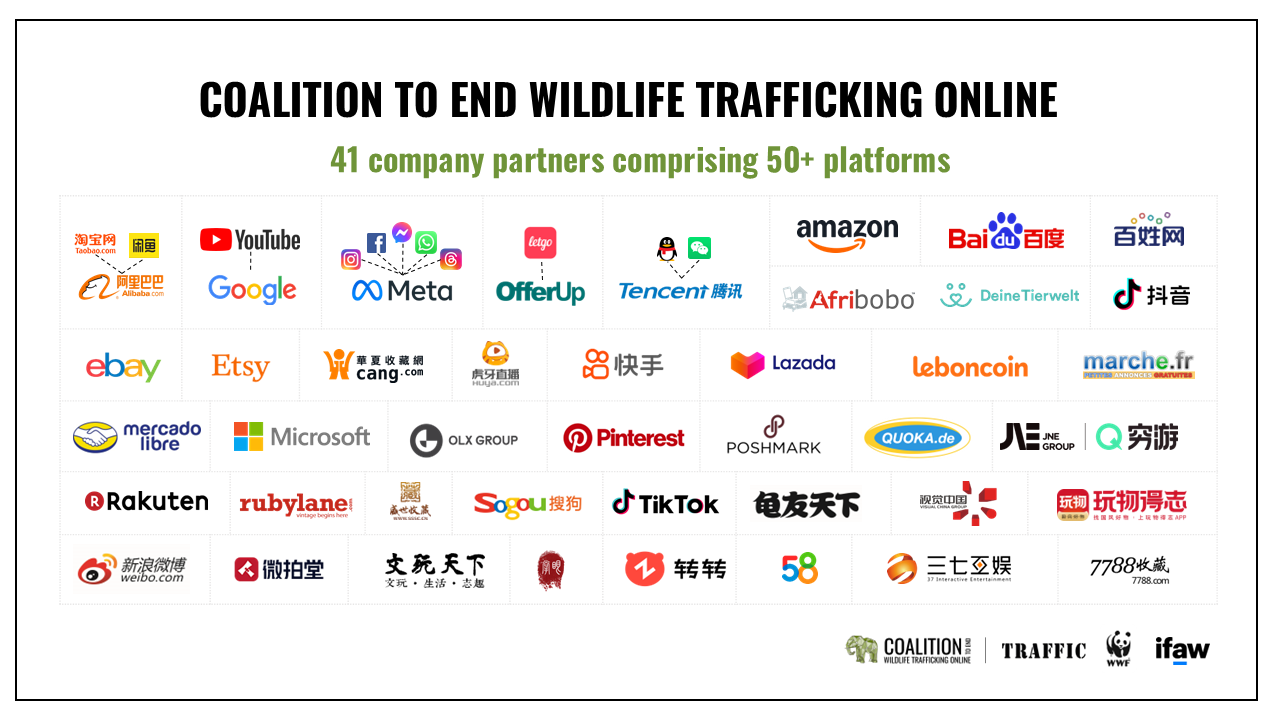
Fortunately, dozens of companies comprising 50+ of the world’s most popular digital apps and platforms have joined forces to shut down online marketplaces for wildlife traffickers. The Coalition to End Wildlife Trafficking Online launched in 2018 with conservation convenors WWF, TRAFFIC, and IFAW. This collaboration aims to unite the tech industry to standardize prohibited wildlife policies, train staff to better detect prohibited wildlife, enhance automated detection filters, and educate and empower users to report suspicious listings. At the core of this effort is sharing learning and best practices to avoid duplication and prevent wildlife traffickers from shifting activities from one platform to the next. The Coalition aims to complement additional approaches, such as those of law enforcement agencies.
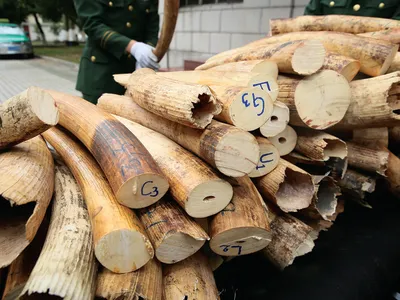
© A ran - Imaginechina
Report suspicious wildlife content
If you think you’ve found an illegal wildlife product for sale online, please let us know.
Submit a report
© WWF
How to get involved
For individuals
Learn more about species that shouldn’t be traded through our Coalition Prohibited Wildlife Policy Framework to make sure you aren’t unknowingly purchasing a protected live animal or species product. Report suspicious listings directly on company platforms or through the Coalition’s reporting page.
For companies
Is your company ready to join the tech sector in the fight against illegal wildlife trade online? Contact the team at [email protected] to get started.
Wildlife parts and products
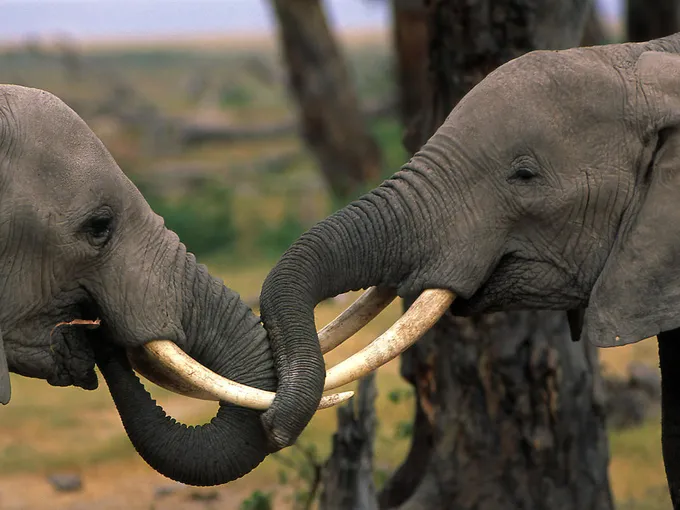
Elephants
Each year, Each year, thousands of African elephants are poached for their tusks to meet the demand for ivory.
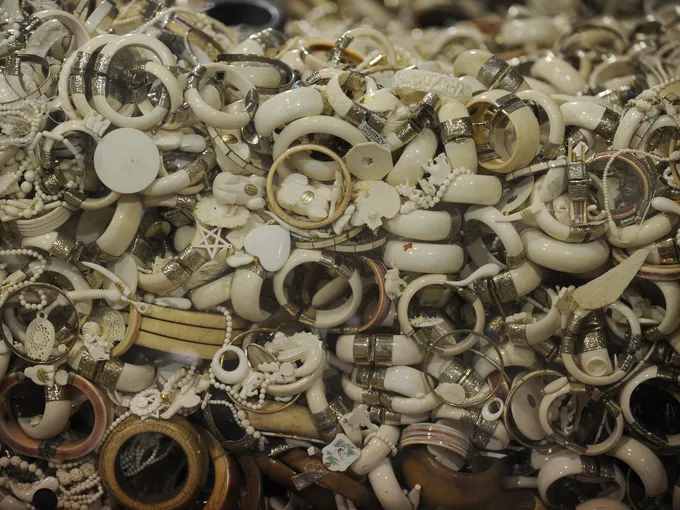
© _
© Martin Harvey / WWF
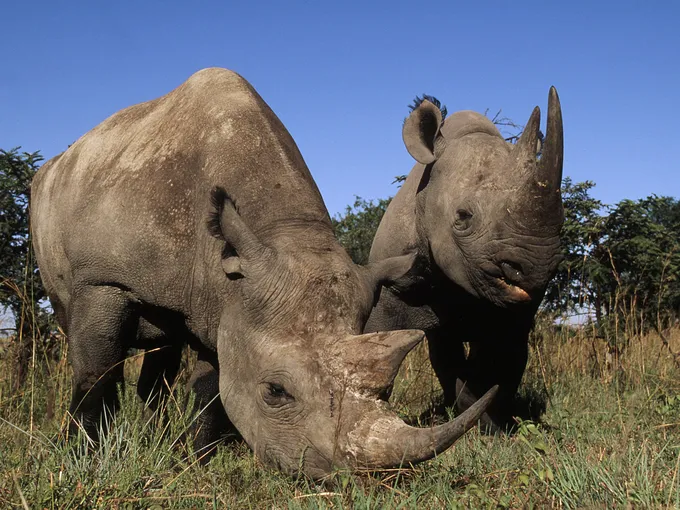
Rhinos
Poaching for rhino horn is the greatest threat to all five rhino species. Rhino horn is sold as traditional medicine and tonics, and carved ornamental cups like this one.

© USDOJ
© Martin Harvey / WWF
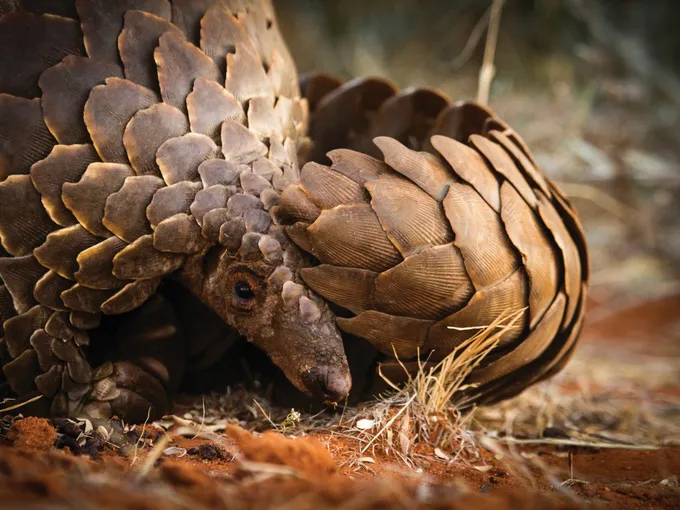
Pangolins
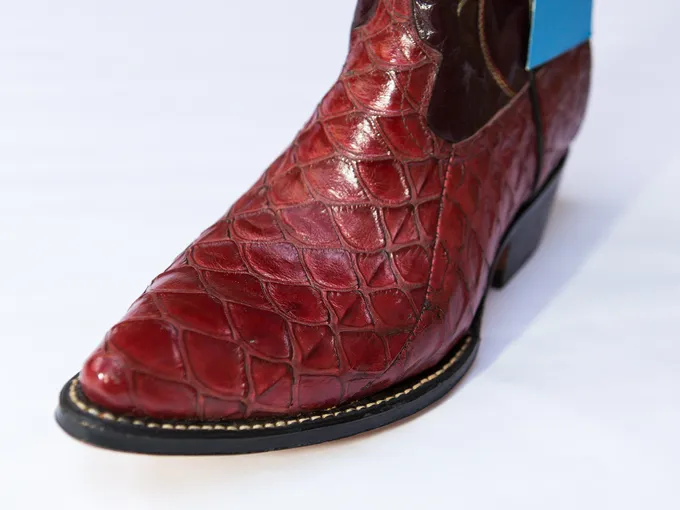
One million pangolins were trafficked over a 10-year period. Their products found online include scales for medicinal purposes, leather products like these boots, and live individuals.
© WWF-US / Keith Arnold
© Kyle de Nobrega
Sea turtles
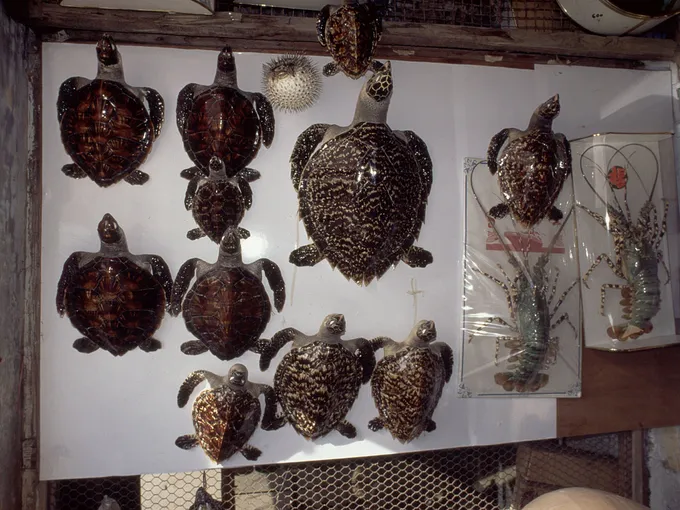
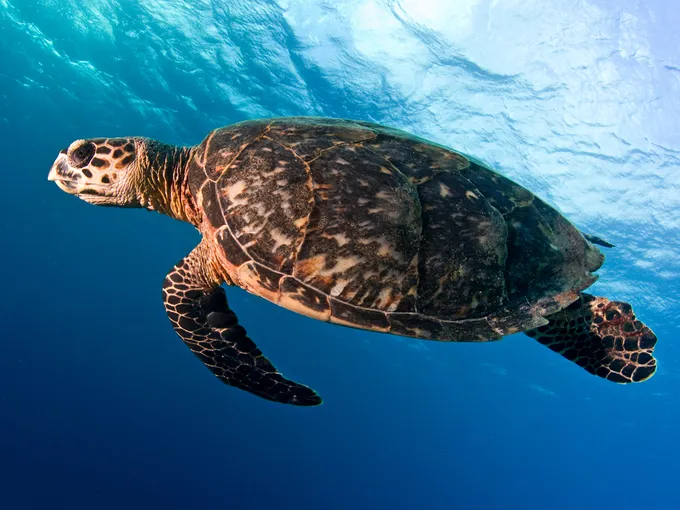
Marine turtles are trafficked online for products made from their shells, such as hair combs and leather products, such as boots.
© Meg Gawler/WWF-US
© Antonio Busiello/WWF-US
Tigers
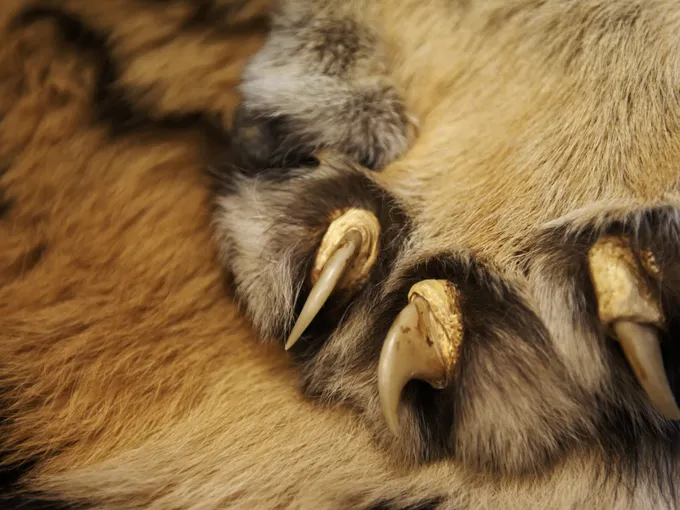
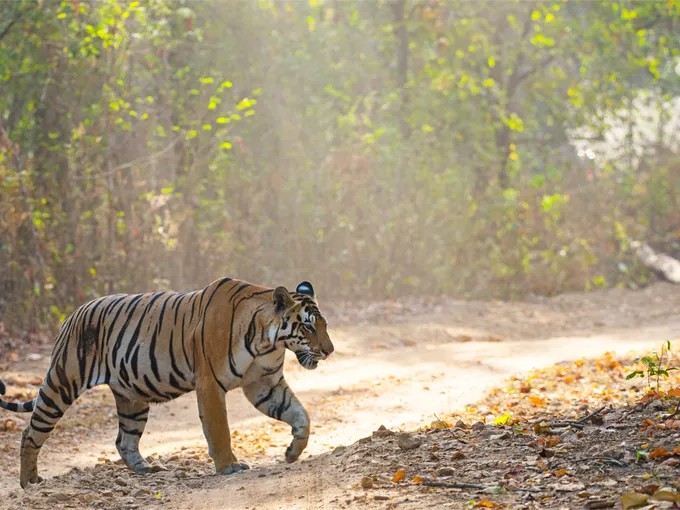
Tigers are trafficked as live cubs, furs, claws and teeth (as amulets), and bones used in traditional medicines.
© Ola Jennersten/WWF-Sweden
© Dipankar Ghose / WWF-India
Jaguars
Trade in jaguar pelts and parts contributes to population decline. Despite reduced international demand, illegal domestic markets persist, fueling the trade and posing a threat to jaguar populations.
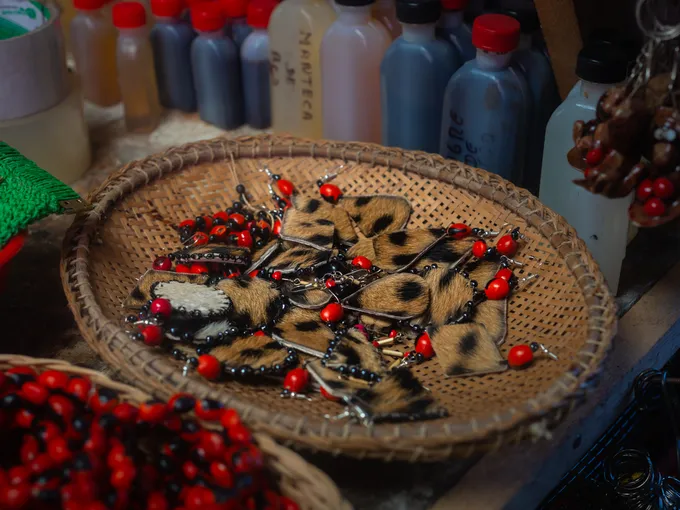
© Diego Pérez / WWF Peru
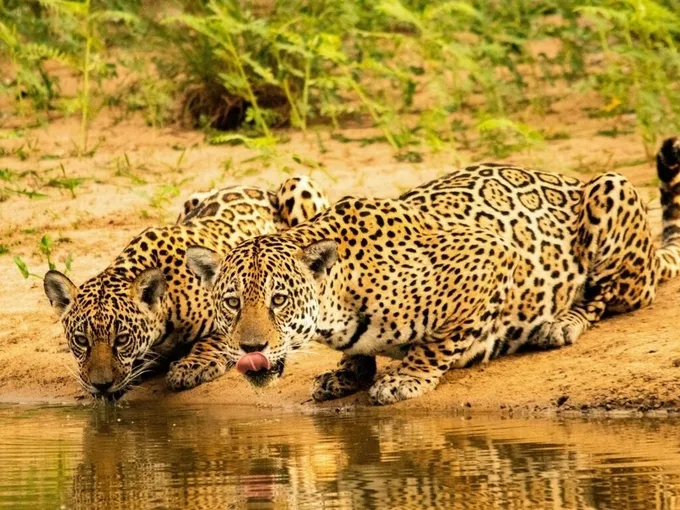
© Carlos Eduardo Fragoso / WWF-Brazil
Learn more
- Coalition to End Wildlife Trafficking Online
- Protecting Wildlife and Nature from Exploitation (Instagram)
- Instagram Fights Abuse with New Alert System (National Geographic)
- Taking Steps to Combat Illegal Wildlife Trafficking (eBay)
- Enhancing Protection of Endangered Animals (Bing Ads)
- Working Together to End Illegal Wildlife Trafficking (Etsy)
- Chinese Internet Giants Launch Alliance to Combat Wildlife Crime (TRAFFIC)
- Saving wildlife from trafficking on the new conservation frontier — the internet (Paris Peace Forum)