Buyer beware
A guide to shopping smart to protect wildlife and plants

© WWF-US / Keith Arnold
You walk into an antique store in New York City and see an intricately carved ivory tusk that the owner describes as “antique.” On a cruise to the Caribbean, you see shelves full of coral jewelry and tortoiseshell accessories. When scrolling through social media you spot a rare bird or tiger cub video, which offers information on how to purchase your own.
Every day, we are faced with conscious choices about the purchases we make—and those purchases can have a profound impact on wildlife. While many wildlife and plant products are sold legally around the world, there is also a tremendous demand for illegal products made from endangered species. This demand feeds wildlife crime and devastates populations of elephants, sea turtles, rhinos, and tigers, among other species. With online platforms now providing global species at your fingertips, it has never been more important to remain vigilant and ask more questions about the purchases you are making.
Most countries, including the United States, protect their native animals and plants under national laws and through CITES—a treaty signed by 184 nations to support sustainable trade in wildlife and plants while protecting endangered species.
The US provides even stronger protections for animals like marine mammals, elephants, and wild birds. If a country bans the sale or export of a species, it cannot legally be imported into the US.
Do not buy
Never purchase these products if you see them for sale
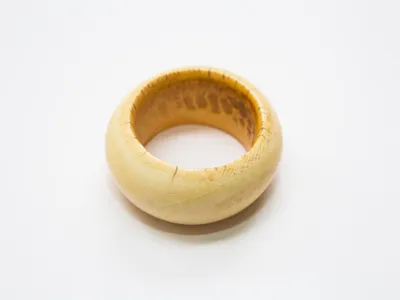
Elephant ivory, raw and carved
The illegal trade in elephant ivory has led to a poaching crisis in Africa. Illicit ivory markets remain one of the greatest threats to elephants today. Don’t fuel demand by buying elephant ivory. Avoid raw or carved ivory from the teeth or tusks of elephants.
© Keith Arnold / WWF-US
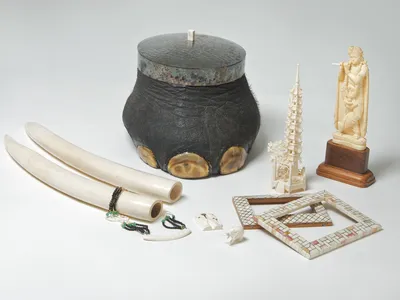
Tiger and rhino products
All international trade of rhino and tiger products, whether used in folk or traditional medicine, as souvenirs or for "good luck" charms, is illegal.
© _
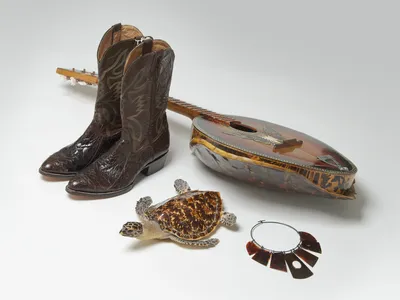
All sea turtle products and turtle shell
Sea turtles are highly threatened by trade and the impacts of climate change make the situation even more dire. All international trade in sea turtle products is banned, so avoid those hair clips, bracelets, and souvenirs.
© _
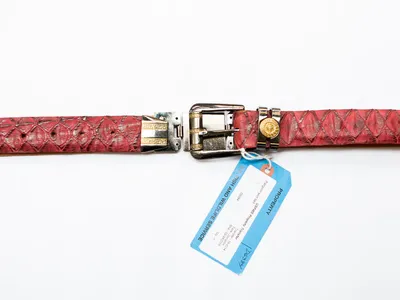
Pangolin products
Pangolins are the most trafficked mammal in the world, with over 1 million animals poached over 10 years. Pangolin leather has a unique diamond-shaped pattern and is used for belts, boots, and other products.
© WWF-US / Keith Arnold
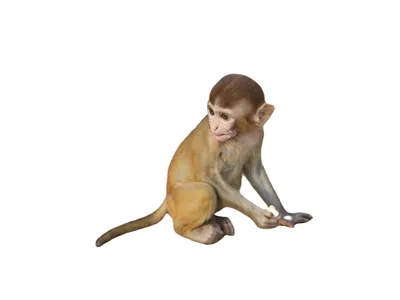
Live monkeys and apes
Do not buy a live monkey or ape overseas or online for a pet. US health laws prohibit such imports. Most primate species are protected, so you should also avoid curios, furs, or meat from these animals.
© Shutterstock

Medicinals made from endangered species
Those made from rhino, pangolin, tiger, leopard, Asiatic black bear, or musk deer are prohibited.
© _
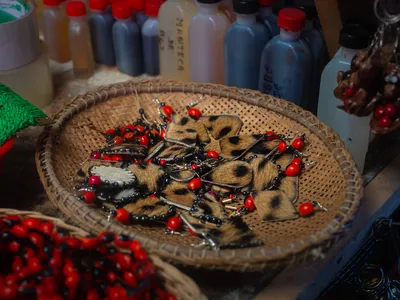
Jaguars as pets and products made with jaguar claws, teeth, or skins
All international trade of products made of jaguar parts is illegal. Trade in jaguar parts contributes to population decline. This market is largely driven by opportunistic encounters between people and jaguars, as well as human-jaguar conflict.
© Diego Pérez / WWF Peru
Buy very carefully
Do your research before making a purchase
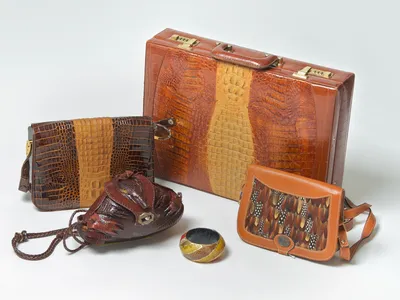
Crocodile skin and snakeskin products
While it's likely that your belt, bag, or shoes come from captive-bred populations, not wild ones, check that your product has a CITES permit before you part with your cash. Certain leather products, including some made from caiman, crocodiles, lizards and snakes require permits. Keep an eye out for sea turtle leather being sold as ‘sea alligator’ or ‘sea crocodile’ when shopping online.
© WWF-US
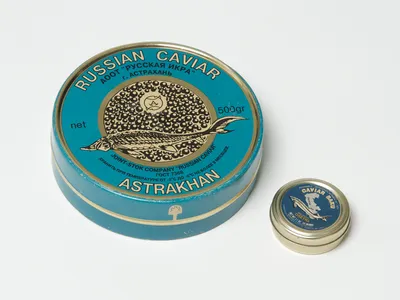
Caviar
Without a permit, you may only import up to 125 grams (about 8 ounces) of sturgeon caviar per person per trip, but the caviar of some species, like beluga, is completely prohibited.
© _
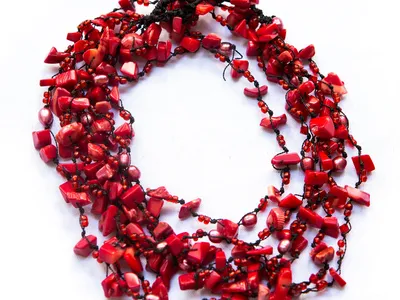
Coral
If you plan to bring it home from overseas, make sure you find out if you need a CITES permit. In the US, ask the retailer if the coral was imported with the necessary CITES permit. In the US, it is illegal to trade elkhorn and staghorn corals.
© WWF-US / Keith Arnold

Orchids, cacti, succulents, and cyads
Be particularly cautious with the more unusual species from specialist suppliers that could be taken from the wild and harm their native populations. Some are protected in their homelands and trade may be banned and some require permits for international trade.
© Shutterstock
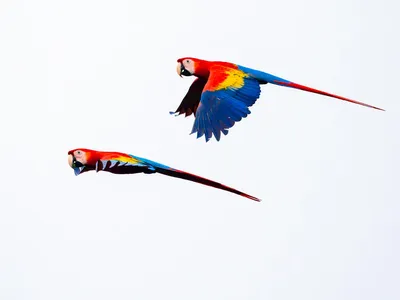
Live birds
It is illegal to import wild-caught birds into the US, and feathers and parts of wild birds require a permit, so if traveling abroad or ordering online, skip these feathery friends.
© Rex Lu / WWF
Good choices
Buy freely to uplift people and communities
Handmade arts and crafts
Support local communities and artisans by purchasing environmentally friendly items not made from animal or plant products.

© _
Just because you find an item for sale does not mean it is legal to bring it home
Some products may be made from protected animals or plants and may be illegal to export or import. Other wildlife products may require permits before you can bring them home to the United States. By making informed choices, you can avoid having your souvenir confiscated or paying a fine. You also help diminish the illegal market for species at risk.
Ask these questions before making a purchase:
- What is this product made of?
- Where did this product come from?
- Does the country I’m visiting allow the sale and export of this product?
- Do I need permits or other documents from this country or the United
States to bring this item home?
Buying guides to clip and keep:
- WWF's Responsible Pets Guide
- Make a good buy (Specific to the Mesoamerican Reef and Caribbean)
- A Guide for Travelers (U.S. Fish and Wildlife Service)
Helpful websites:
“You can help save nature by asking basic questions and getting the facts before you buy something. The best piece of advice I have for you is if you're in doubt, don't buy it.”
Crawford Allan Vice President, Nature Crimes and Policy Advocacy, WWF