© Ola Jennersten / WWF-Sweden
Cheetahs
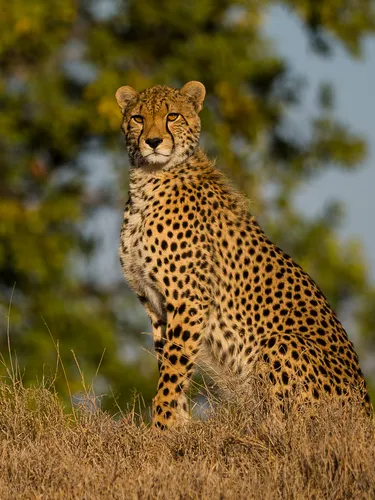
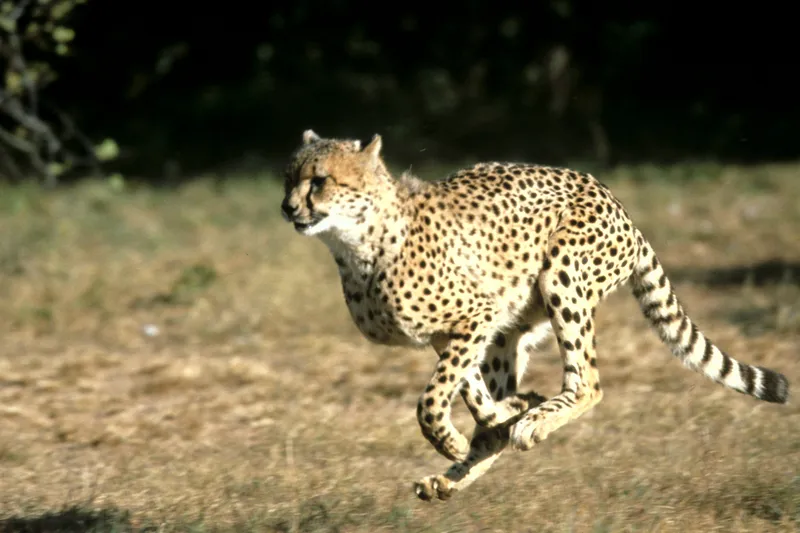
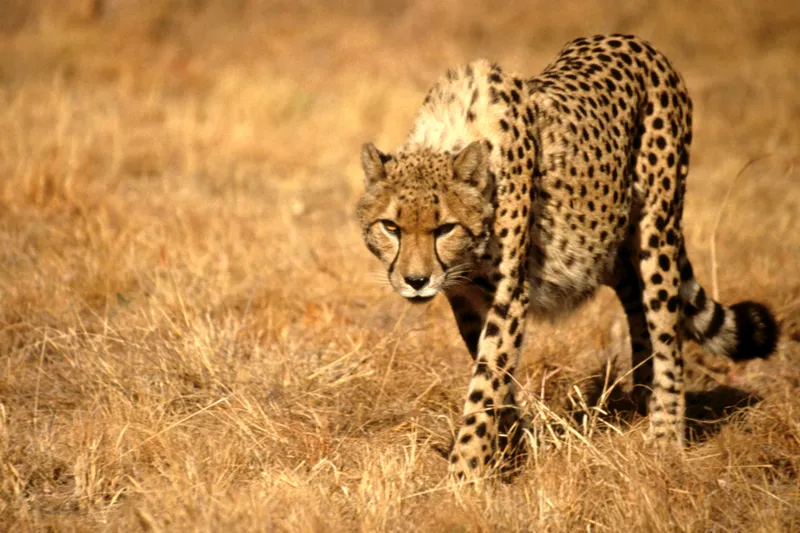
Cheetahs are big cats known for being the world’s fastest land mammal, reaching speeds of up to 60-70 miles per hour. They can be differentiated from other big cats by their narrow shoulder blades and long limbs, which they use to reach their top speeds. Cheetahs are also endowed with a long tail and specialized paw pads with semi-retractable claws, features which allow them to balance and gain traction when chasing prey. Interestingly, cheetahs are one of the only big cats that cannot roar; instead, they chirp, purr, and make other vocalizations.
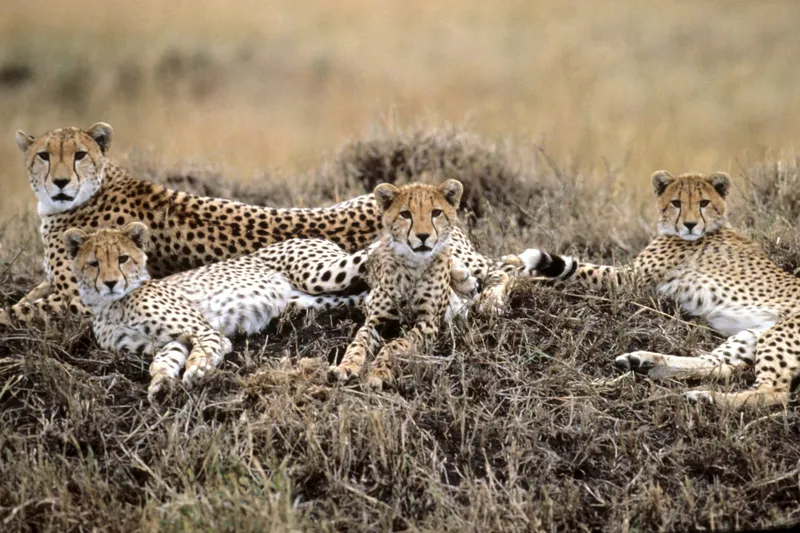
Cheetahs live in a unique social structure. Females live independently or with their cubs, who stay with their mother until about 18 months of age. In comparison, males live solitarily or, more often, in groups of two to three related or other males, sometimes called ‘coalitions’. Males form territories ranging from 15 to 20 square miles while females travel larger ranges based on prey distribution.
Once found throughout Africa and Asia, cheetahs now inhabit around 10% of their historic range. They are found in southern and eastern Africa, with a small critically endangered population of Asiatic cheetahs in Iran. Because they once sprawled through such vast landscapes, cheetahs have adapted to life in many habitats, including grasslands, deserts, and even some mountainous regions of Africa. The IUCN Red List and experts suggest there are around 6,500 cheetahs left in the wild.
Cheetah facts
- Status View status categories and descriptions
- Vulnerable
- Population
- About 6,500
- Scientific name
- Acinonyx jubatus
- Weight
- 75–125 lbs.
- Height
- 28-36 in
- Length
- 40–60 in., Tail can add 24 to 32 inches bringing the total overall length up to 7.5 feet
- Habitats
- grasslands, mountains, deserts
News and stories
-
In Southern Africa's KAZA region, WWF, its partners, and local communities work together to reduce conflicts with wildlife
Why cheetahs matter
© Martin Harvey / WWF
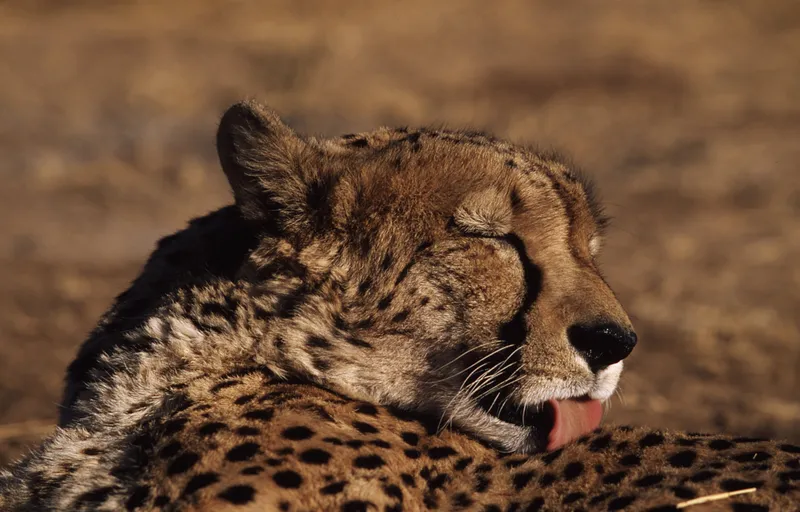
As keystone species, cheetahs play a vital role in sustaining productive ecosystems by regulating the food chain and maintaining healthy herbivore populations.
© Howard W. Buffett / WWF-US
Cheetahs have a diverse diet and typically hunt small ungulates, including gazelle, impala, and young wildebeest, though they will also prey upon other species like birds.
© Howard W. Buffett / WWF-US
Being extremely successful hunters, cheetah kills are often stolen by other predators and scavengers. These interactions contribute to a more diverse ecosystem, highlighting an additional way in which cheetahs support the food web.
© Howard W. Buffett / WWF-US
Cheetahs are more frequently found outside of protected areas compared to other large carnivores, making them an important indicator species for functional connectivity.
Threats to cheetahs

© Ravi Singh / WWF-India
Human-wildlife conflict
A significant threat to cheetah populations is human-wildlife conflict. When wild prey is scarce and livestock protection measures are inadequate, cheetahs may resort to preying on domestic animals. Additionally, their crepuscular hunting patterns—meaning they are active during dawn and dusk—increase their visibility in human-dominated areas, often leading to misattribution of livestock losses. Consequently, retaliatory killings by farmers constitute a major threat to cheetah survival. This conflict underscores the need for integrated conservation strategies that address both wildlife conservation and human livelihood concerns.
Poaching and illegal wildlife trade
Poaching for the illegal wildlife trade has contributed to the decline of wild cheetah populations. Cheetahs, like many other big cats, are hunted to be displayed as trophies or made into fashion items, given their unique coats. These beautiful cats are also threatened by the illegal pet trade. Wild cubs are caught live and illegally traded all around the world. Social media platforms drive demand for protected wildlife and their products, while serving as the dominant market for illegal trade. Posts portraying cheetah ownership linked to luxury cars and lifestyles are especially popular in the Middle East, generating demand across users.
Habitat loss and prey depletion
Cheetahs are vulnerable to habitat loss and fragmentation. They require much larger areas of land to survive than other carnivore species due to their low population density and large home ranges. As a result, they are commonly impacted by human expansion, which forces cheetahs and other big cats to move through human-dominated areas to disperse and find prey and water. Climate change is another contributing factor to habitat loss, with drastic changes such as drought making prey scarce and areas uninhabitable.
How WWF is taking action to protect cheetahs

© Ola Jennersten / WWF-Sweden
Protecting habitat
The future of big cats like cheetahs hinges on maintaining a network of connected and secured habitats. WWF is working to protect and secure critical corridors and habitat in the Southern Kenya–Northern Tanzania transboundary area and the Kavango Zambezi Transfrontier Conservation Area (KAZA) in southern Africa, which is home to 15% of the world’s cheetahs. Because of their solitary lifestyle and large home ranges, cheetahs require vast areas of land in order to survive. Identifying and securing conservation areas and corridors helps ensure cheetahs can move freely to breed and find resources, without facing threats from human-wildlife conflict or other external factors.
Addressing the illegal trade
WWF works with e-commerce, social media, and technology companies through the Coalition to End Wildlife Trafficking Online to address the trade of cheetahs and their parts and other protected wildlife on web-based platforms. Launched in 2018, the coalition includes 47 member companies operating globally. The exotic pet trade, while not always illegal, can threaten species and jeopardize human health and animal well-being. It is not legal to buy or keep a cheetah as a pet, and they do not make suitable pets for multiple reasons. WWF launched the Exotic Pet Suitability Guide in the US and Japan to help would-be exotic pet owners make responsible decisions for themselves, their community, and the environment.
Researching and monitoring cheetahs
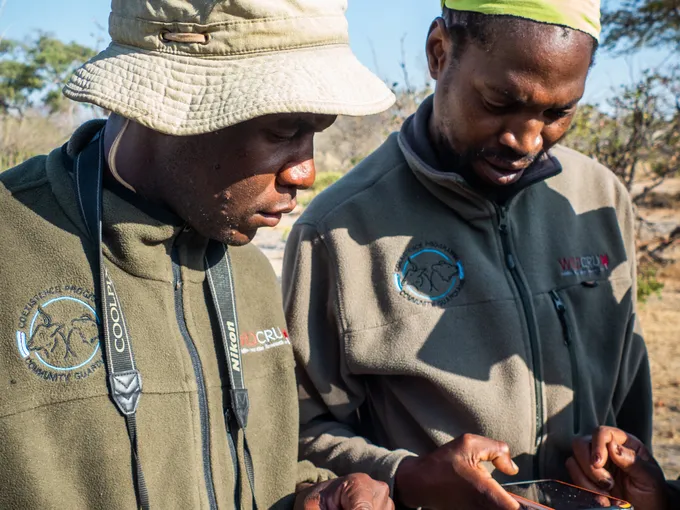
WWF supports local partners, including through the Living with Big Cats initiative, to monitor and study the movement of big cat populations, including cheetahs, lions, and leopards. Understanding their movement helps identify important corridors to protect and locate high-priority areas for conflict management. Big cats are monitored through camera traps and spoor (footprint) surveys as well as with satellite collars. In northeastern Namibia, there has been little to no research on cheetahs. Information from newly deployed collars and spoor surveys will provide baseline data on cheetah ecology, habitat requirements, and human-wildlife conflict. This will, in turn, inform land-use management decisions and conflict management measures to protect cheetahs in the region.
How you can help
© WWF
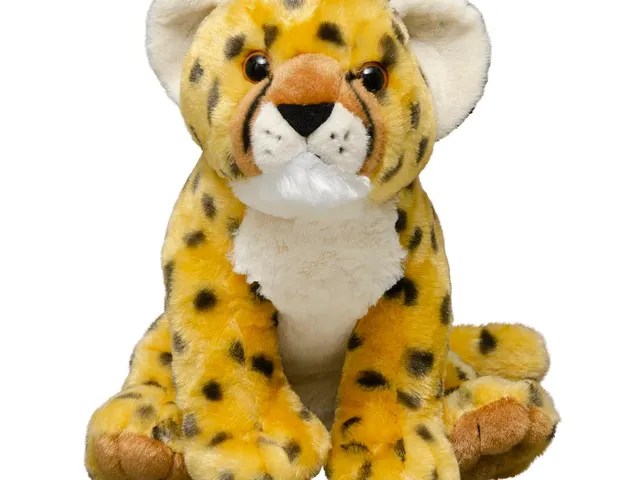
Adopt a cheetah
Support WWF’s global efforts to protect wild animals and their habitats and choose from kits with plush and more.