© Edward Parker / WWF-Canon
Chihuahuan Desert
For more than 15 years, WWF and its bi-national partners have been working in the northern Chihuahuan Desert to protect and bring back freshwater and grassland ecosystems for the benefit of wildlife and people.
The Chihuahuan is the largest desert in North America-stretching all the way from the southwestern United States deep into the Central Mexican Highlands. WWF's conservation efforts focus on the Big Bend region of the northern Chihuahuan Desert, which includes important parts of the Rio Grande/Bravo watershed in the U.S. and Mexico. Because of the region's high altitude (3,000 to 5,000 feet) winters and nights are cool while summer days can reach temperatures over 100 degrees. Very little rain falls in the area, but underground springs, small streams and the Rio Grande River provide precious water.
The magnificent landscape is threatened by an ever-increasing human population, water misuse and mismanagement, overgrazing by cattle and goats, and a lack of knowledge regarding the desert's ecological importance. For more than 15 years, WWF and its bi-national partners have been working in the northern Chihuahuan Desert to protect and bring back freshwater and grassland ecosystems for the benefit of wildlife and people.
Wildlife of the Chihuahuan desert

© Edward Parker / WWF-Canon
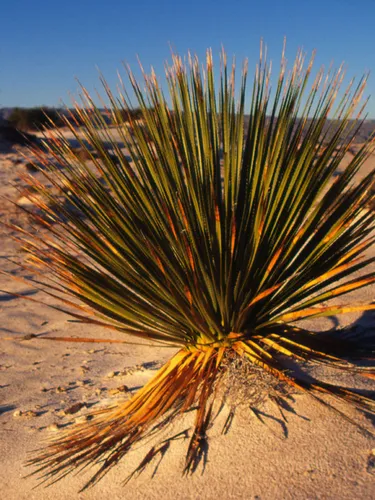
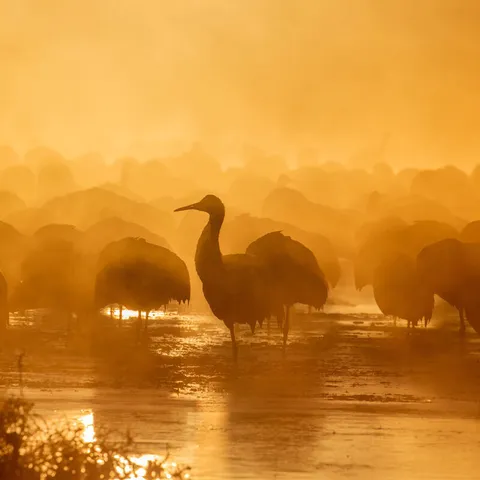
The desert is home to more than 130 species of mammals, such as the Mule deer and pronghorn. The kit fox roams the vast grasslands of the northern desert. The Chihuahuan Desert boasts 3,000 plant species, including more than 500 of the world's 1,500 species of cactus. The desert also harbors North America's largest prairie dog colony as well as nesting sites and migratory habitats for more than 500 bird species. More than 110 native freshwater fish species ply its rivers. In the desert scrub, roadrunners scurry after earless lizards while golden eagles search among the agave and creosote for blacktailed jackrabbits.
The Rio Grande-Rio Bravo mainstem and Rio Conchos contain important large river habitats in an otherwise dry region. Large scale ecological phenomena such as bird migrations also follow these watercourses. The aquatic fauna has evolved to live under highly variable cycles of flooding and drought both within and across years.
People and communities of the Chihuahuan desert

© Edward Parker / WWF-Canon
The Chihuahuan Desert, long a corridor for trade between Mexico City and Santa Fe, New Mexico, is now home to five million people. The Rio Grande basin covers 172,000 square miles, crossing three U.S. states, more than a dozen Native American nations and five Mexican states. The region is home to some of the poorest and fastest growing jurisdictions in both countries. The North American Free Trade Agreement is fueling economic and population booms on both sides of the U.S.-Mexico border. A border town just across the Rio Grande River from El Paso, Juarez, or Ciudad Juarez, is the largest metropolitan area in the Chihuahuan Desert region. Other large towns in this region are Chihuahua and Torreón in Mexico and Albuquerque, Las Cruces, and Roswell in the U.S. A prominent native group in this area of northwestern Mexico is the Rarámuri, or Tarahumara. They live in highlands of the Sierra Madre Occidental (often called the Sierra Tarahumara).
Chihuahuan desert under threat
This magnificent desert landscape is threatened by population growth, poor water management, agricultural expansion, invasive species, illegal wildlife trade, and a lack of understanding about the desert's ecological importance. The region's watersheds are suffering from overuse, construction of dams, groundwater extraction, pollution, and the drying impacts of climate change.

© Edward Parker / WWF-Canon
Water Scarcity
Population pressure in the Big Bend region is the most prominent threat to the northern Chihuahuan Desert. The Rio Grande-Rio Bravo river system is the primary source of water for 5.5 million people on the border, and the river's waters are already 150% over-allocated, mostly for the agriculture sector. Groundwater is faring no better; 43 of the desert's aquifers are overexploited. Water is particularly important in the Chihuahuan Desert, where the region's poor are largely dependent on the desert's natural resources for their livelihoods.
Conversion of Land
Overgrazing by cattle, sheep, and goats decimate native grasses, increase the number of shrubs, and promote desertification. Unsustainable harvesting and illegal poaching present serious threats to the region's biodiversity, which includes rare plants and reptiles. Extraction of copper, gypsum, salt, lime and sand have degraded the region.
Pledge for Our Planet
The diversity of life on our planet faces major challenges from threats like climate change, deforestation, overfishing, and illegal wildlife trade.
Together, we can take action to create lasting solutions and protect the future of nature.
© WWF-US/Diana Cervantes
WWF is taking action to protect Chihuahuan desert
© Audra Melton / WWF-US
Restoring freshwater ecosystems
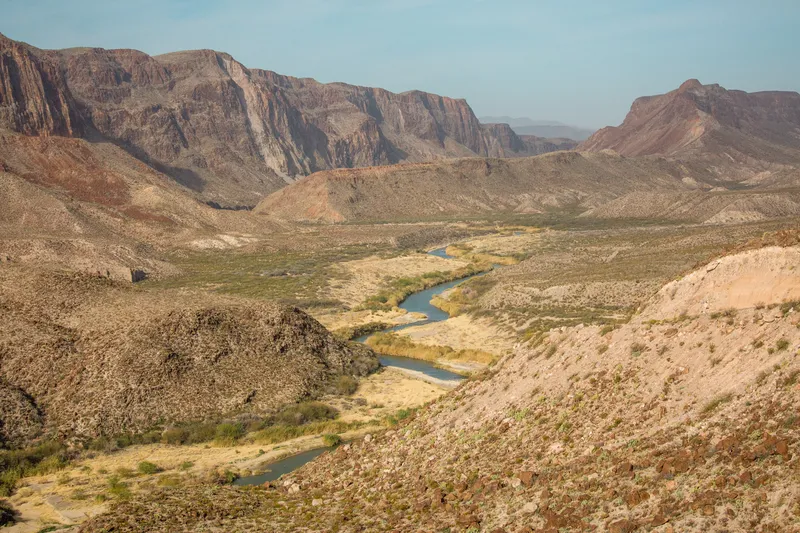
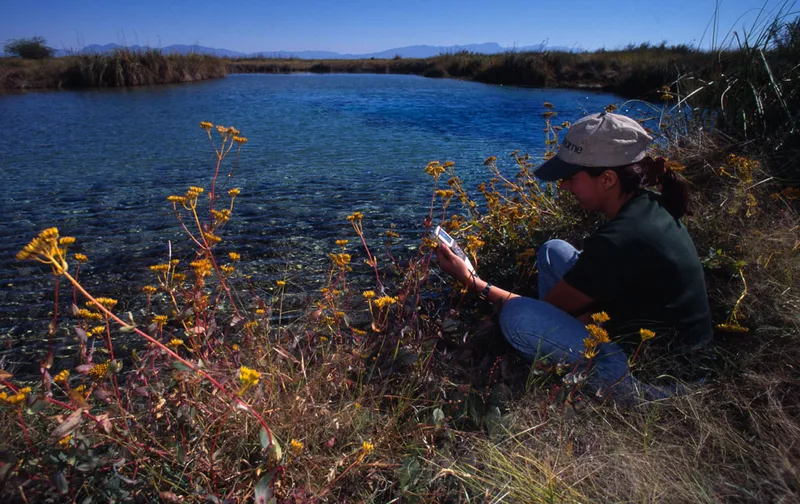
WWF engages communities and works with a diverse group of agencies, institutions, and organizations in both the U.S. and Mexico to restore the health of the Rio Grande-Rio Bravo river system and its tributaries. This requires creating an integrated river basin management framework. Along the Big Bend reach of the Rio Grande, WWF and its bi-national partners are conducting a variety of scientific investigations to better understand changes in the river and its current condition.
© Edward Parker / WWF-Canon
Promoting management practices in Big Bend
WWF collaborates on both sides of the U.S.-Mexico border to implement an integrated conservation management plan in the Big Bend region of Texas and northern Mexico.
© WWF Mexico / Jenny Zapata
Upland restoration
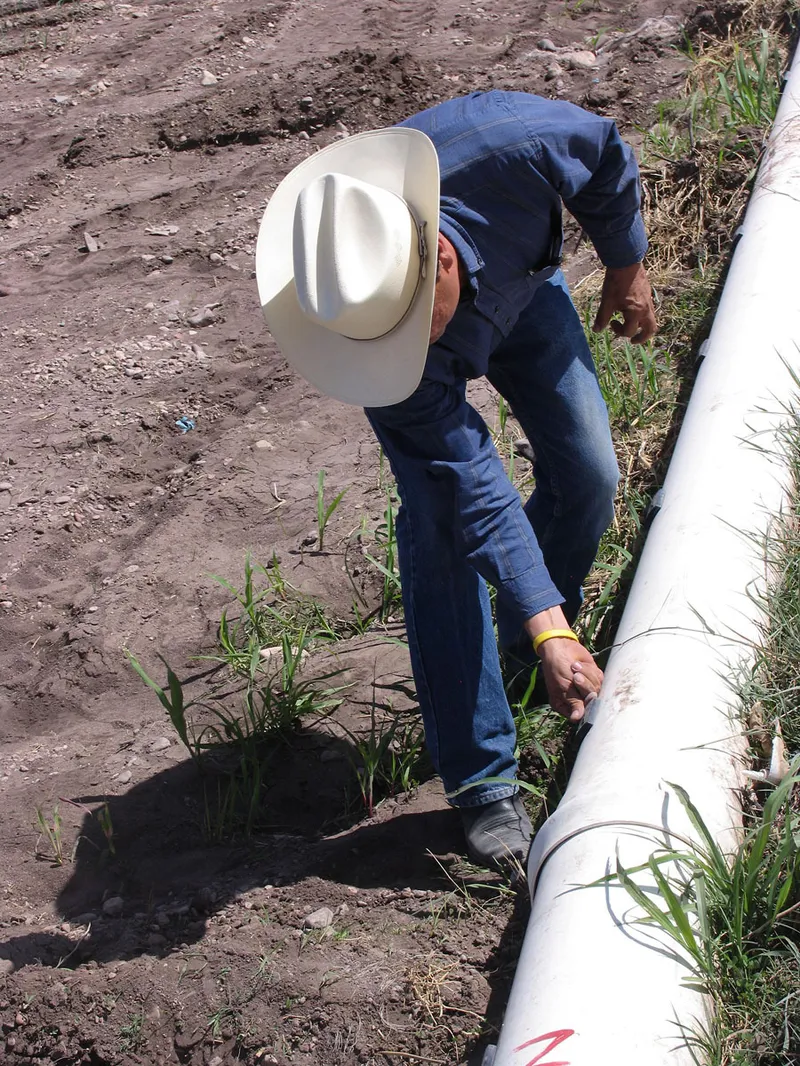
As part of its upland restoration program, WWF works with the Tarahumara people on a range of projects that bridge natural resource conservation and socioeconomic considerations. This includes reducing soil erosion and enhancing water availability, installing low-tech water treatment facilities, and replanting vegetation uplands. WWF is helping to change the legal framework in Mexico to minimize environmental impacts of water concessions and create a system of economic incentives for sustainable management of grasslands.