© Joonas Fritze / WWF
Mental health and nature
WWF works to protect nature and build a future where people live in harmony with the natural world. Part of this vision is recognizing the vital role nature plays in supporting human well-being, including our mental health.
Research shows that spending time in nature benefits both mind and body. To learn about many ways that nature supports mental health, we invite you to explore the resources below.
Nature and mental health videos
Nature meditation
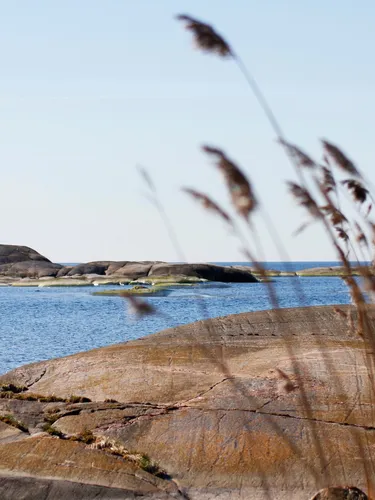
Did you know even a couple of minutes in nature can help reduce stress and boost your mood? Take two minutes and watch our nature meditation videos highlighting magnificent species and landscapes—and their calming sounds—from all over the world.
Nature Breaking podcast
Nature prescriptions
How time outdoors can improve your health
How nature improves your mental health (according to science)
Are you feeling stressed, scattered, or mentally drained? Science suggests a surprisingly simple way to feel better: spending time in nature.
Stories
© Greg Armfield / WWF-UKd
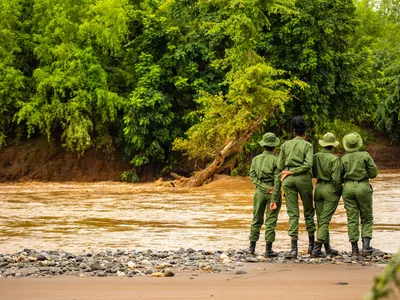
Why ranger mental health should be a conservation priority
© WWF-US / Clay Bolt
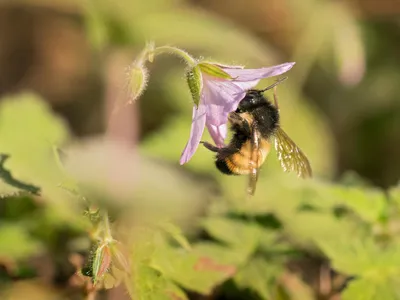
Beyond honey
How robust bee populations support human health

© Guy Edwardes/naturepl.com/WWF
How nature boosts mental health
Dr. Stacy Beller Stryer on the connections between time outside and our health.
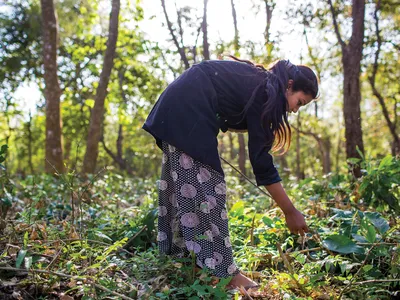
© EMMANUEL RONDEAU/WWF-US
Six things to know about forests and your health
A WWF report examines how forests and public health are interconnected.
Partner resources
Park Rx America (PRA)
PRA gives healthcare professionals an easy-to-use online platform to “prescribe” time in nature, connecting people with parks and green spaces to boost well-being and build healthier habits.
They believe human health and planetary health go hand in hand: the more time we spend outdoors, the better we feel—and the more we care for the natural world.
PRA makes it easy for healthcare providers to prescribe nature and for patients to self-prescribe. This way, healthcare professionals and patients work together to co-produce nature prescriptions, bringing the benefits of the outdoors into daily life.
Note: Spending time in nature can support mental well-being, but it is not a replacement for professional medical care or prescribed treatment. Please follow the advice of your healthcare provider for any medical concerns.

© Richard Higgins
American Psychological Association (APA)
APA is the leading scientific and professional organization representing psychology in the United States, aiming to promote the advancement, communication, and application of psychological science and knowledge to benefit society and improve lives. Their research is advancing our understanding of how time in nature can improve our mental health and sharpen our cognition.
WWF and APA recently launched a partnership to advance our shared vision of a healthy and sustainable future where people and nature flourish.
Check out these APA resources
Other resources

© Luis Barreto / WWF-UK
What WWF is doing: Forests and health
Forests are indispensable to human health. They provide essential natural resources like food and fuel and filter our air and water. Beyond that, spending time in forests helps improve mental health, including by decreasing stress hormones. Forests also reduce risks of cardiovascular diseases, cancers, chronic respiratory diseases, and infectious disease outbreaks.
WWF promotes a holistic approach that integrates nature and public health. We’re compiling scientific evidence on the relationship between forests and human health, and working with communities, governments, and partners in areas like Thirty Hills, Indonesia, and the Congo Basin to support human health and well-being. Our efforts include community-designed solutions to reduce deforestation, such as better access to health services. Check out some resources to learn more:
- Explore the work WWF is doing around forests and health.
- Want to learn more? Email [email protected]