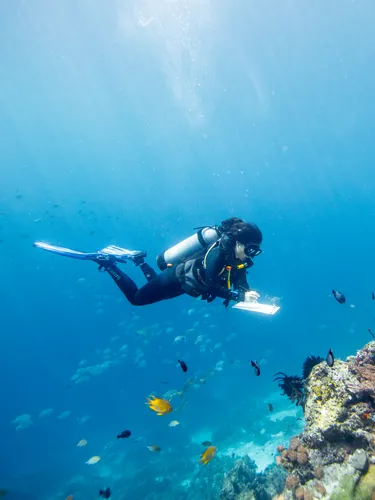
© James Morgan/WWF-US
Science
WWF’s conservation work is grounded in science. Our scientists develop innovative approaches and apply the best available information to advance cutting-edge tools and methods, connect natural and social systems, and find solutions to the planet’s most pressing and complex threats.
WWF scientists work across multiple disciplines, juxtaposing expertise in planetary and big data science with human-centric approaches, including sociology, education, and psychology. Working with partners, WWF scientists lead global and regional analyses and communicate the science of implementation and scale—for both people and nature in our changing world.
News and stories
What we're working on
© Tom Vierus/WWF-US
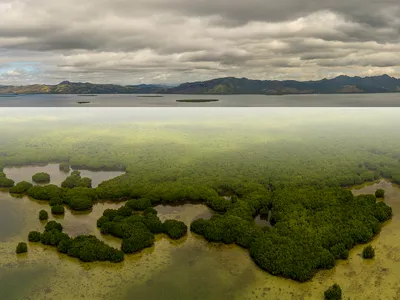
Advancing science
The Kathryn Fuller Science for Nature Fund, named in honor of the former president and CEO of WWF-US, supports and harnesses the most promising conservation science research and puts it into practice.
© WWF-US/Danielle Brigida
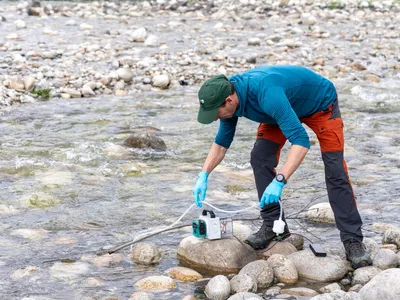
Monitoring for impact
Monitoring progress toward global goals for human well-being, nature conservation, and climate change is critical when determining the impact of conservation investments.
© Lucas Ninno
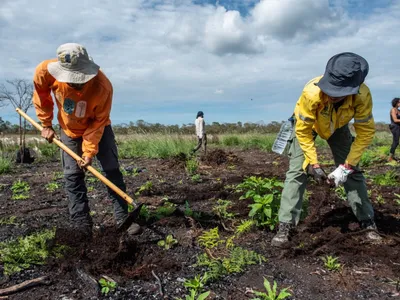
Scaling locally driven conservation
For nearly three decades, the Russell E. Train Education for Nature Program (EFN) has been providing financial support to enhance the skills, knowledge, and expertise needed to address conservation c

© James Morgan/WWF-US
Ensuring sustainable plates
As one critical area of research, WWF scientists are identifying and developing the science required to fill knowledge gaps on the dietary shifts needed within each country to achieve nutrition guidelines for all people.

© Tom Vierus/WWF-US
Contributing to peer-reviewed research
Our scientists have extensive publication records within peer-reviewed literature, serve on scientific and academic bodies, and are frequently called upon to contribute insight, data, and analyses to globally significant assessments, reports, and publications.
© Brent Stirton/Getty Images/WWF-UK
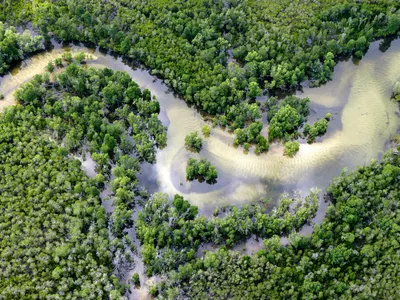
Valuing Nature
WWF scientists quantify the benefits natural ecosystems give livelihoods and economies and map their sources so the value of these ecosystem services are included in policy and decisions.
More areas of research
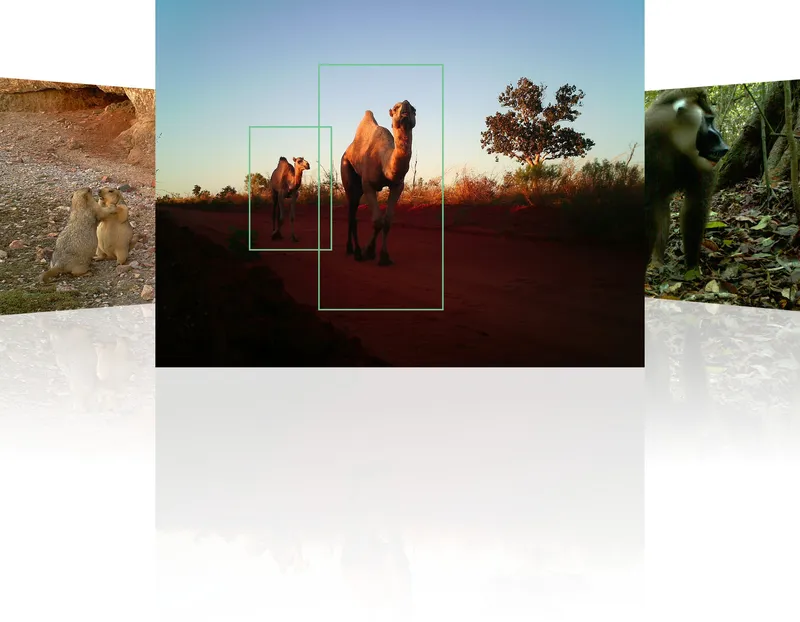
© Wildlife Insights
Harnessing data and artificial intelligence
Until recently, the vast number of variables in conservation made measuring the effectiveness of strategies difficult. Fast, accurate, replicable, and easy-to-understand impact reporting is necessary, and advances in technology are starting to put this within reach. Remote sensing technology has become much more advanced, along with data processing tools and platforms that can organize the information so it is understandable and directly usable. To streamline impact monitoring systems and ensure their work is effective and measurable, WWF scientists are working to build open-source platforms and tools, harness artificial intelligence and machine learning, and closely collaborate with local communities.
Nature Needs Us Now
Nature gives us everything we need to survive, but it's under threat like never before. The crisis demands immediate action from all of us.
© WWF-US / Yawar Motion Films
Experts
-

Nathan Bennett
Global Oceans Lead Scientist, Global Science
-

Becky Chaplin-Kramer
Global Biodiversity Lead Scientist, Global Science
-

Sam Cheng
Director of Conservation Evidence, Global Science
-

Nelly Kadagi
Director of Conservation Leadership and the Education for Nature Program, Global Science
-

Brent Loken
Global Food Lead Scientist, Global Science
-

Kimberley Marchant
Vice President and Deputy of Strategic Engagements, Global Science
-
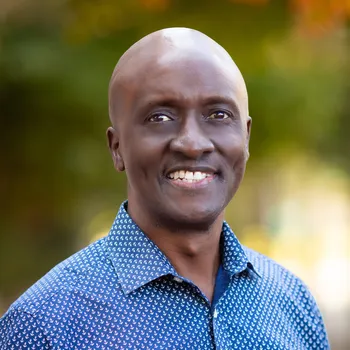
Nasser Olwero
Director of Information Science, Global Science
-
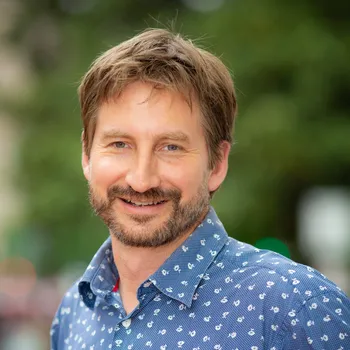
Jeff Opperman
Global Freshwater Lead Scientist
-

Pablo Pacheco
Global Forests Lead Scientist, Global Science
-

Stephanie Roe
Climate & Energy Lead Scientist, Global Science
-

Rebecca Shaw
Chief Scientist and Senior Vice President, Global Science
-
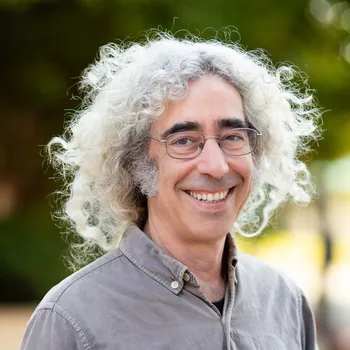
Dave Thau
Global Data and Technology Lead Scientist, Global Science