Fishmeal and fish oil
© Jo Benn / WWF-Canon
Overview
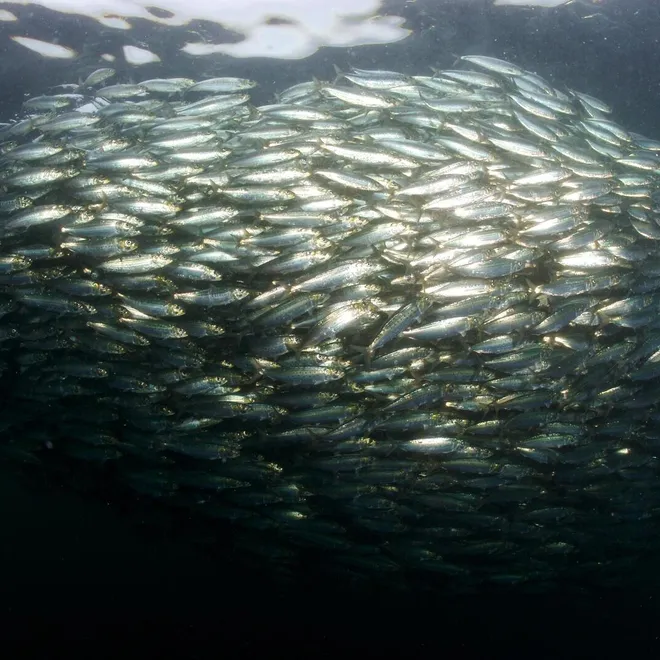
Fishmeal and fish oil are the protein-rich byproducts of smaller forage fish or low trophic level species like anchovy, herring, and krill that gather in immense schools on coastlines and in the open ocean. These little fish are the cornerstone of these ocean food webs – and increasingly, of food served on land as well. Fishmeal and oil are easily digestible products used in fertilizers and animal feed, ranging from beef and chicken (livestock) to salmon and tilapia (aquaculture).
As the agriculture and aquaculture industries increase their demand for fishmeal and fish oil, it has become a growing market for fisheries. In fact, seven of the world’s top ten fisheries (by volume) target forage—also known as low trophic level—fish, 90 percent of which are processed into fishmeal and fish oil.
Why it matters
© Jo Benn / WWF-Canon
Fish food
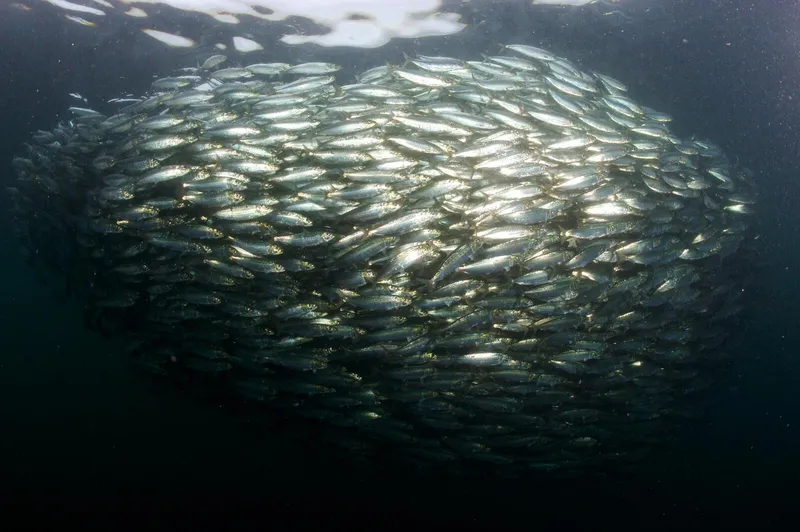
Aquaculture has continued to increase its demand for fishmeal and fish oil because these products have a high nutritional value and are easily digestible by other fish. Quality fishmeal provides a balanced amount of most essential amino acids, minerals, phospholipids and fatty acids, which help increase growth rates and overall production yields. These types of feeds are also absorbed more efficiently by cultured fish, which decreases water pollution levels and improves the efficiency of the production systems.

© _
Human consumption
Humans consume capsules of fish oil as nutritional health supplements to reap the benefits of the omega-3 and amino acids EPA and DHA found in fish oil.
© Michel Gunther / WWF-Canon
Animal food
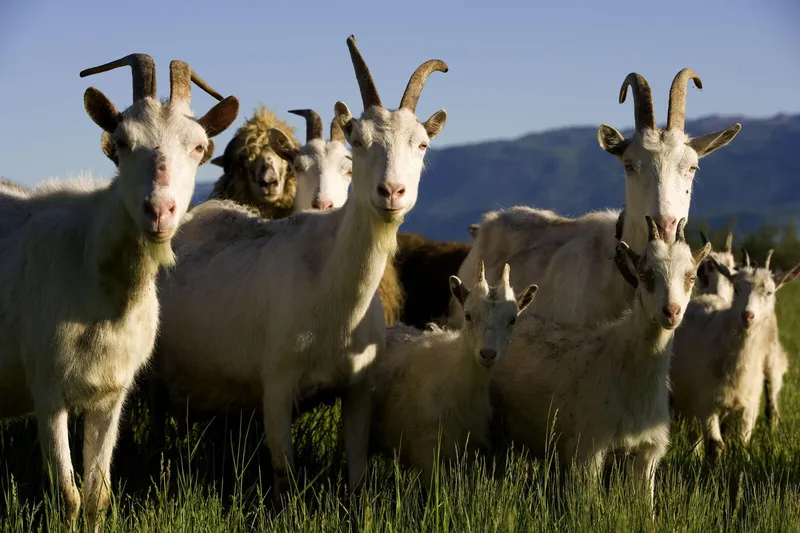
Fish oil and fishmeal contain quality protein and amino acids that are highly digestible by all animals, especially poultry, pigs, cows, sheep and goats. In turn, they provide plenty of usable energy. In fact, feeding animals fishmeal or fish oil is thought to help improve immune systems, reduce mortality rate in younger animals, reduce severity of inflammatory diseases, improve overall nutritional status, and generally reduce the cost of animal production.
© naturepl.com / Visuals Unlimited / WWF-Canon
Crucial role in marine food web
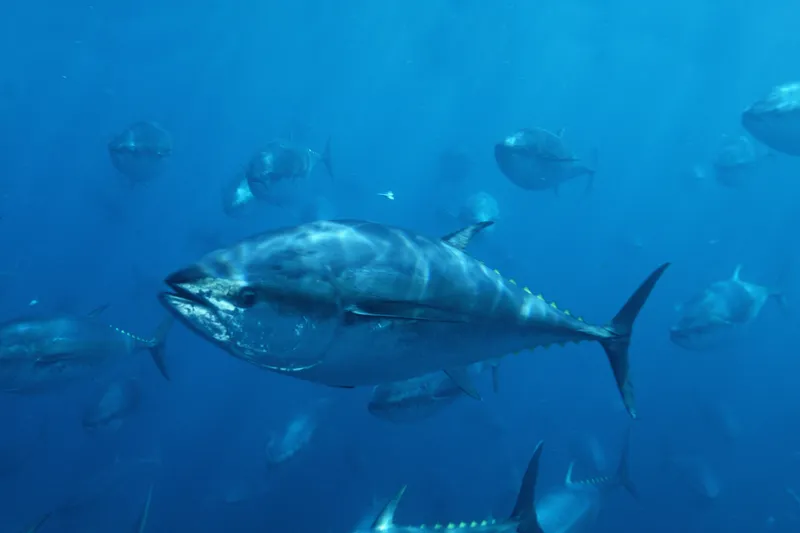
Forage fish play a critical role in the marine food web because a variety of species including tuna, marine mammals, sharks, swordfish, and seabirds depend on them for food. Peruvian anchoveta, for example, is an anchovy of great significance to the entire marine food web. The Peruvian anchovy fishery is the world’s largest single-stock fishery, yielding around 7 million metric tons of fish annually, used mainly to produce fishmeal and fish oil.
Impacts

© _
Due to their sensitivity to temperature and ocean acidification, forage species are particularly vulnerable to climate change. For instance, the effect of climate change can be seen in the transfer of nutrients through the food chain and the effects on oceanographic conditions that determine reproductive potential and survival. Changes in ocean temperature can also limit the availability of nutrients, as is the case with El Nino and La Nina events that disrupt upwelling systems. Ensuring sustainable fisheries strengthens the health of the fish stocks, and makes them more resilient to climate change impacts.
Nutrient pollution
Excess nutrients from land-based fertilizers can lead to algal blooms, which deplete oxygen levels in the environments, which in turn threatens the survival of forage fish.
Fishing pressure
Because forage fish species are considered to be keystones of their ecosystems, it is important to harvest them responsibly. WWF helps these fisheries meet Marine Stewardship Council (MSC) certification standards, which set precautionary measures to ensure that fishing practices are sustainable. This includes limiting impacts on the ecosystem, and on the spawning stock biomass thus ensuring that enough fish are left in the water to regenerate what is taken out.
What WWF is doing
WWF works with stakeholders worldwide to implement fisheries management best practices, and encourage industries to commit themselves to source 100% from the Marine Stewardship Council (MSC) certified fisheries. As a major source of feed for farmed fish, certified fishmeal and oil will play an integral role in supporting the Aquaculture Stewardship Council’s (ASC) efforts to advance responsibly farmed seafood.

© Scott Dickerson / WWF-US