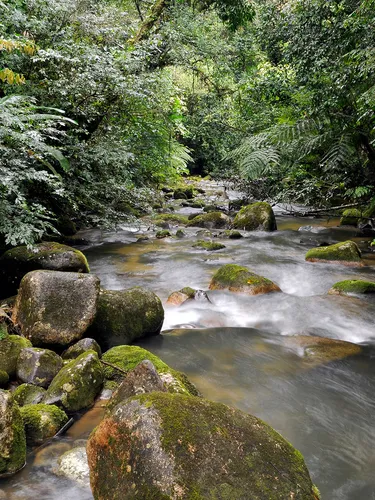
© WWF-Brazil / Adriano Gambarini
Changing the nature of business
Nature is the foundation of everything, including business. The water in your supply chains, the forests that stabilize your climate risks, the biodiversity that keeps agriculture systems productive — all are business assets. Yet, right now, they’re all under threat.
Global companies face direct and indirect environmental risks that are reshaping operations, markets, and supply chains. The business case for action is compelling: the World Economic Forum identifies $10.1 trillion in new business opportunities through nature-positive actions and $104 billion in avoided adaptation costs by 2030. Those who recognize nature as a strategic asset can turn these challenges into opportunities.
Our vision
Nature Needs Us Now
Today, threats to nature are accelerating as never before. Biodiversity is declining at a precipitous rate, vital ecosystems are under pressure, and climate impacts, from extreme heat to intense floods, are more devastating than ever.
Research conducted by GlobeScan on behalf of WWF found that people in the U.S. strongly believe nature plays a vital role in their lives — shaping health, happiness, and cultural identity — and that it urgently needs protection. 73% see nature as a defining part of American life and identity. This connection transcends age, gender, region, and politics. Three out of four Americans surveyed say that caring for nature is a shared responsibility involving individuals, communities, government, and business.
Work with us
As the world's leading conservation organization, WWF brings the global scale, expertise, and networks companies need to partner with nature rather than fight against it. At the core of everything we do is science — decades of research and data-driven analysis that gives our work credibility. We operate across six continents and nearly 100 countries, work with over 1,000 companies globally, and have helped shape the sustainability landscape through standards like FSC, SBTi, SBTN, and TNFD. Our reach spans all the natural systems businesses depend on — freshwater, forests, and oceans — as well as the government agencies, financial institutions, and supply chain partners that operate within them.
We work with companies across climate, nature, and circularity. From risk assessment and science-based target-setting to strategic investment in critical landscapes, we help companies advance environmental goals across all three — improving operations, building supply chain resilience, and unlocking large-scale investment that benefits both business and the planet. Because addressing climate without restoring nature, or sourcing sustainably without closing material loops, leaves the system incomplete. Lasting resilience requires all three working in concert.

© Koya979 / Shutterstock
Climate
Create a climate-resilient and zero-carbon world for people and nature.
© Nikki Cossio
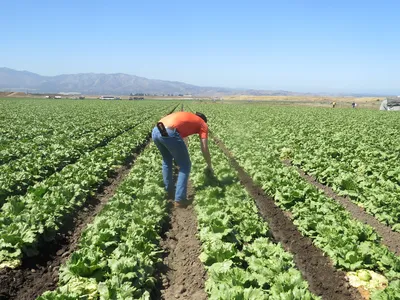
Food systems
Produce enough food to nourish everyone in the world while reducing the environmental footprint of food systems.
© James Morgan / WWF
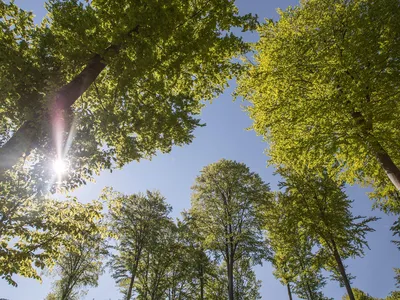
Forests
Conserve the world's most important forests to sustain nature's diversity, benefit our climate, and support human well-being.

© Istockphoto.com / WWF-Canada
Freshwater
Protect the world's freshwater resources and landscapes to support biodiversity and human livelihoods.
© rramirez125 /Getty
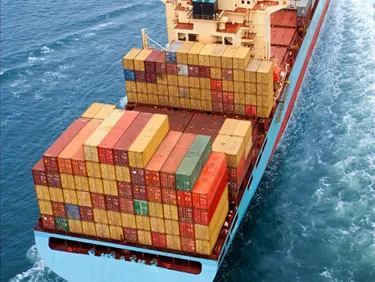
Markets
Identify global issues, trends, and tools around some of the most pressing challenges of our time.
© Martin Harvey / WWF
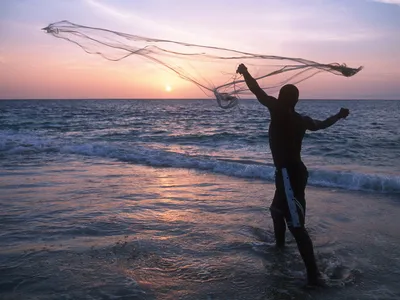
Oceans
Leveraging private sector action to deliver scalable, durable global oceans solutions.
© Sablin / iStock
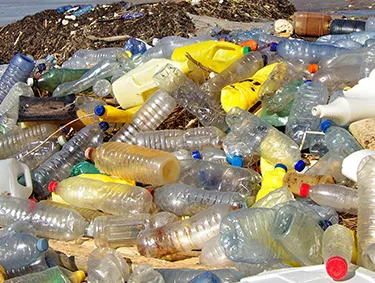
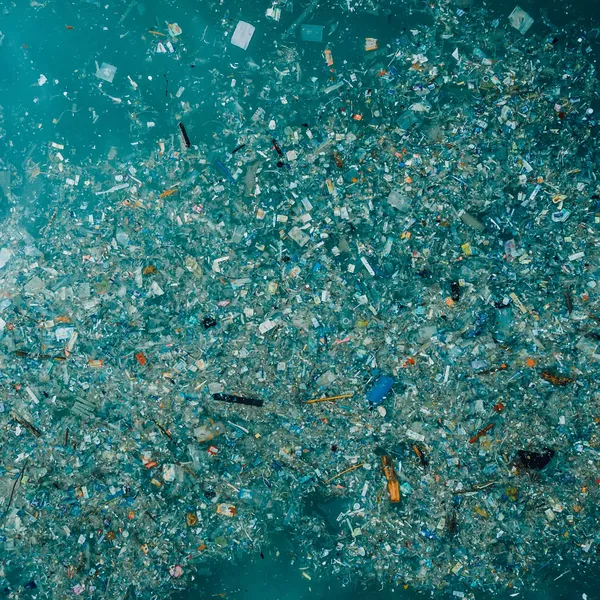
Plastic waste
Reimagine our materials system so that the plastics we discard become plastics we use again.
© Dipankar Ghose / WWF-India
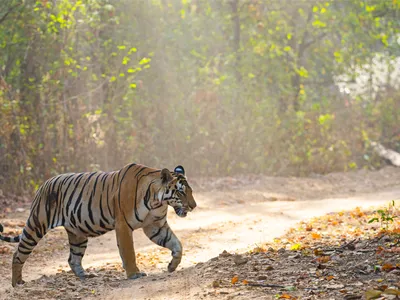
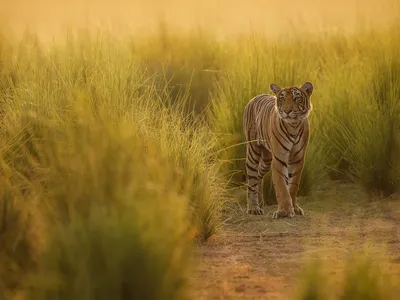
Wildlife
Conserve threatened wildlife and wild places to sustain life on Earth.
Our Impact
We work with businesses to transform their vast networks of suppliers, partners, consumers, and employees into a powerful force for good. A force that drives sustainability up and down global supply chains. A force that mobilizes conservation investments in thousands of communities. A force that inspires millions of employees around the globe to champion conservation at work and at home. A force that drives billions of consumers toward greener choices.
Podcast: Can business conserve forests and our future?
Host Seth Larson sits down with Linda Walker, WWF’s senior director of corporate engagement for forests, to explore the urgent threats to global forests and the role of business in helping reverse current trends. This interview dives into how some companies are already making a difference, including by participating in Forests Forward—WWF’s flagship program for corporate leadership on forests launched in 2021. Linda and Seth also discuss what the Forests Forward Impact Report reveals about the program’s progress and the challenges ahead.
News and stories

Sustainability Works
WWF Sustainability Works is a forum for discussion around strategies, commitments, technologies and more that will help businesses achieve conservation goals that are good for the planet and their bottom lines.
© David Arky/WWF-US, styling by Kellie Murphy
Press releases and updates
Our Partners
© Audra Melton / WWF-US
The Coca-Cola Company
© James Morgan / WWF
GAP, Inc
© Shutterstock / PhotocechCZ / WWF-International
Warner Bros. Discovery

© Juan Pratginestos / WWF-Canon
Royal Caribbean Group
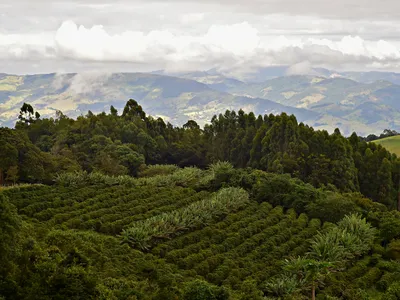
© Adriano Gambarini / WWF-US
HP Inc.
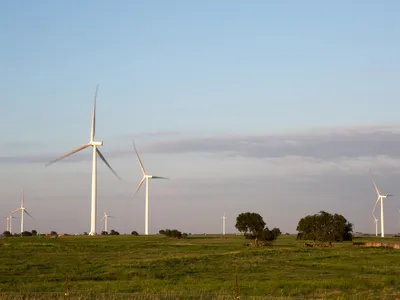
© Eric KRUSZEWSKI
Procter & Gamble
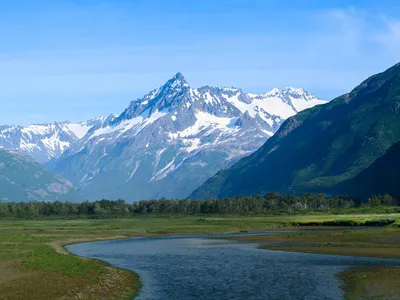
© McDonald Mirabile / WWF-US
American Beverage Association
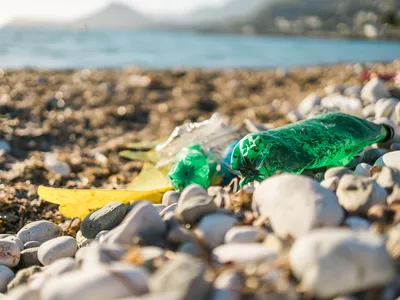
© Kristina Igumnova via Getty Images
SC Johnson
Additional resources
See below for the guidelines that govern our work with business
Contact us
For more information about our work with business, please contact us at [email protected].