Herencia Maya
Historic initiative will protect 1.4 million acres of Yucatán State and honor Maya culture

© WWF-US / Alejandro Prieto
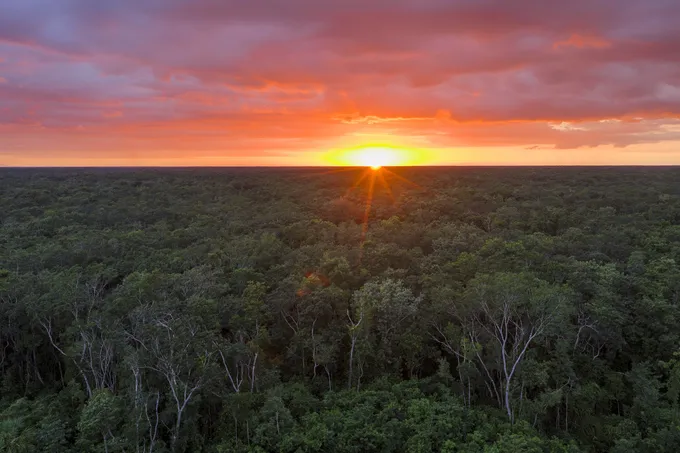
Mexico’s Yucatán Peninsula, perched above Belize and Guatemala, is a profoundly intricate landscape.
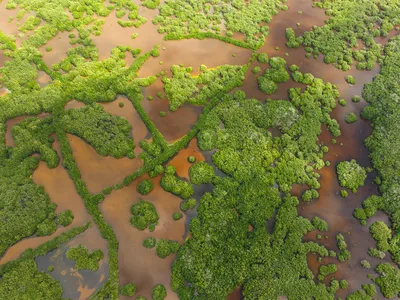
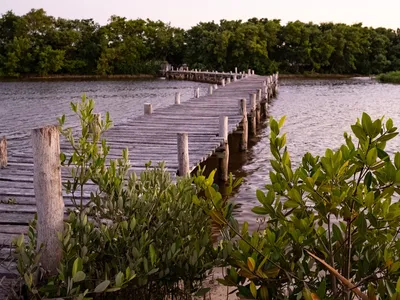
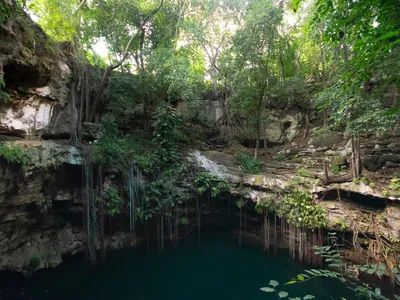
Over millennia, rain falling on the humid tangle of the Maya Forest has seeped through porous limestone bedrock, carving a complex network of underground rivers and water-filled caves called cenotes. They flow beneath ancient cities like Chichén Itzá and Uxmal, and vibrant modern ones like Mérida. Reaching the coast, they mix with saltwater to form brackish lagoons fringed with leggy mangroves that straddle land and sea.
In this place, where boundaries seem to blur, the modern heirs of Maya culture stand on a new threshold.
On May 13, 2026, the Yucatán State government of Mexico and partners announced the launch of Herencia Maya (Maya Heritage), a bold Enduring Earth initiative that promises to conserve the state’s interconnected and irreplaceable hydrological, ecological, and cultural heritage.
This marks the first Project Finance for Permanence initiative in Mexico, and the first led by a state rather than a national government.
© WWF-US / Alejandro Prieto
© WWF-US / Alejandro Prieto
Herencia Maya will bolster protections and management of more than 170 miles of Yucatan’s shoreline and over 130,000 acres of mangroves. Working closely with Indigenous and local communities, the initiative will increase coastal community and ecosystem resilience to climate change, protect jaguars and scores of other wildlife, and secure vital and sacred freshwater sources for more than a million people across the peninsula.
WWF is proud to be part of the broad coalition of partners supporting this historic effort.
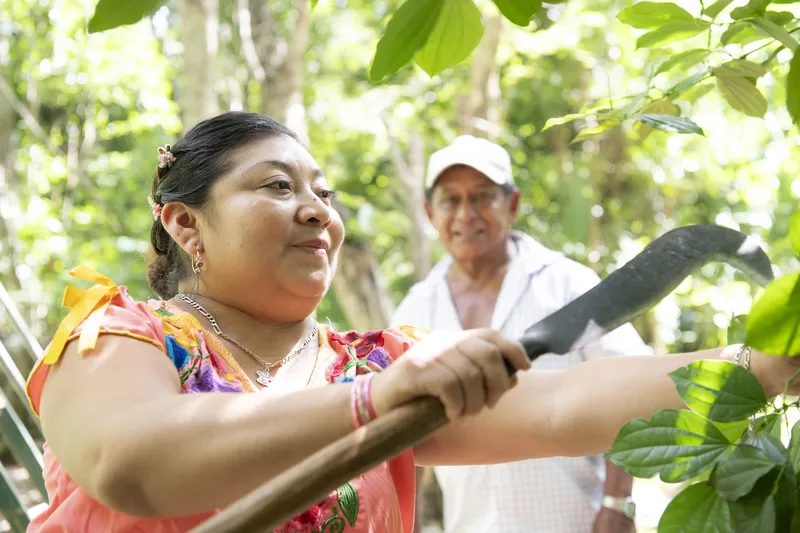
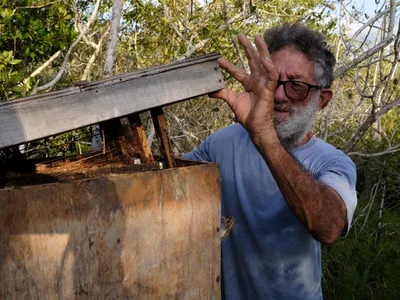
"The work that we do in our communities is an effort to preserve our heritage—the knowledge our families have passed down to us. From those who grow crops in the Milpa to our group of women who practice meliponiculture, everything we do preserves local livelihoods. We want future generations to learn and value this knowledge so that, in time, they can carry it out and pass it on."
—Berta Silvia Canul Diaz, member of Las Vecinas, a group of melipona beekeepers in Tzucacab
Honoring Maya lifeways
© WWF-US / Alejandro Prieto
Yucatán State sits at the core of Maya culture in Mexico, home to the country’s largest population of Mayan speakers. Communities with generational ties to these lands and waters honor their ancestry by keeping their traditions alive.
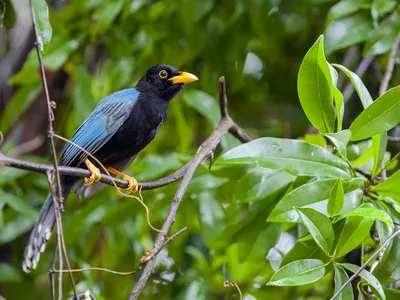
Cenotes are the primary source of fresh water on the peninsula—and in Maya mythology, act as a portal between earthly and ancestral beings. The motmot (Toh) bird, with its turquoise pendulum-like tail, guards the cenotes; while the jaguar, lord of forest and underworld, acts as a sacred intermediary between the living and the dead.
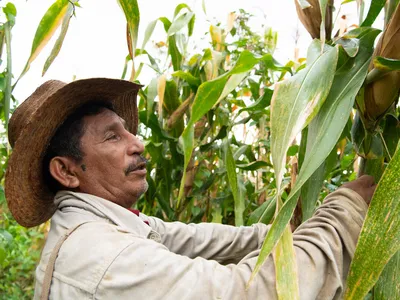
On land, the longstanding tradition is the Maya milpa, an ancient form of sustainable agroforestry in which beans, maize, and squash—known as the Three Sisters—rotate with other crops among natural vegetation. In 2022, the Food and Agriculture Organization of the United Nations recognized the global importance of this heritage system, citing its role in promoting biodiversity and providing food security for at least 3,500 years.
Herencia Maya builds on this legacy by integrating cultural identity, traditional knowledge, and Indigenous governance as essential parts of durable conservation for the people of Yucatán—nearly 40% of whom are Indigenous and live in the peninsula’s protected areas.
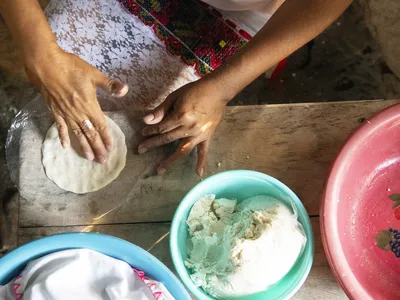
This initiative recognizes that protecting ecosystems also means safeguarding longstanding sustainable practices, farming methods, and community values rooted in the Maya worldview. Along with the Maya milpa system of agroforestry, this includes training and market access for locally produced goods, with a focus on beekeeping, sustainable fisheries, and ecotourism.
The result will be the preservation of more than 1.4 million acres (580,000 hectares) of state, municipal, and private protected areas, with a strong focus on natural protected areas management, strengthening of sustainable productive practices, and community values rooted in the Maya worldview.
The many communities within the state’s protected areas will also benefit from Herencia Maya’s collaborative focus on strengthening local management and governance of their territories.
“As a woman from the Puuc region, I know that the forest is not just a resource: it is living memory, livelihood, our roots. Conserving it means defending our identity, the water we drink, the air we breathe, and the future of our daughters and sons. The Puuc region is not only home to biodiversity, but it also safeguards ancestral knowledge. Caring for the forest through Herencia Maya is an act of love, resistance, and collective responsibility in a world that cannot afford to lose it.”
—Minneth Beatriz Medina García, General Director of the Puuc Biocultural Intermunicipal Board
Harnessing innovative finance
Herencia Maya is a five-year, $12.6 million initiative supported by a broad coalition of public and private partners. It employs the transformational Project Finance for Permanence (PFP) approach, in an important collaboration that unifies governments, Indigenous Peoples and local communities, public and private sector donors, NGOs, and others around a shared conservation vision.
By binding ambitious conservation policies and commitments to rigorous financial management, PFPs ensure that conservation areas function effectively with sustainable financing for the benefit of communities that rely on them.
Herencia Maya is the first PFP initiative in Mexico and the first led by a state government. As it strengthens the management of state and municipal natural areas that fall outside federal jurisdictions, Herencia Maya will contribute to Mexico’s ambitious climate and conservation goals while prioritizing the livelihoods of the Maya people. This initiative lays the groundwork for the kind of innovative and durable funding approach that could later be employed at a national level to help Mexico achieve its 30x30 roadmap goals.
At its heart, the PFP approach fuels the priorities and realities of the people, ecosystems, wildlife, governments, and economies.
By tying inclusive, participatory decision-making and equitable governance to secure financing, PFPs enable people to think beyond basic needs—dramatically transforming their ability to conserve and steward nature according to their visions and values.

© WWF-US/Alejandro Prieto
"Herencia Maya, an initiative advanced under Governor Joaquín Díaz Mena’s Maya Renaissance vision, establishes the first Project Finance for Permanence model at the subnational level in Mexico. The initiative strengthens the conservation of Yucatán’s Protected Natural Areas, safeguarding ecosystems, biodiversity, and strategic freshwater reserves such as the Ring of Cenotes, while securing long-term funding to protect the state’s natural heritage and promote sustainable development for future generations."
—Neyra Silva Rosado, Secretary of Sustainable Development of Yucatan
Protecting natural areas for wildlife and people
© JIBIOPUUC
Across the Yucatán Peninsula, agricultural expansion, urbanization, tourism, and other human activities are polluting groundwater, driving the overexploitation and degradation of natural resources, endangering wildlife populations—and threatening to erase an ancient cultural legacy.
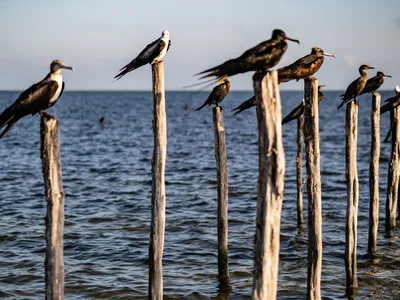
By strengthening the management of protected areas, Herencia Maya helps protect water sources from harmful agrochemicals, avoid deforestation, sequester carbon, and preserve critical natural areas for endemic and migratory species—including more than half the peninsula’s bird species.
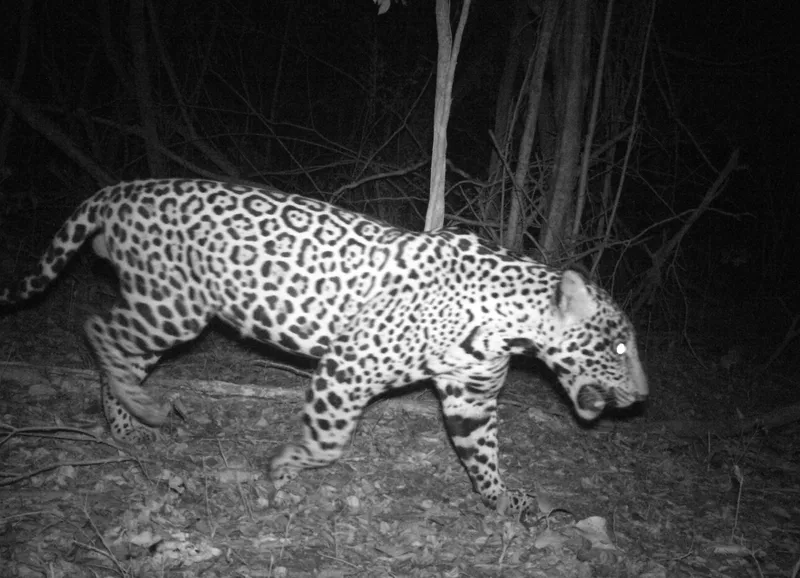
The initiative’s focus includes coastal zones like Dzilam de Bravo, which contain crucial habitats and corridors for jaguars, and El Zapotal, a private reserve that is a critical nursery area for these fabled big cats.
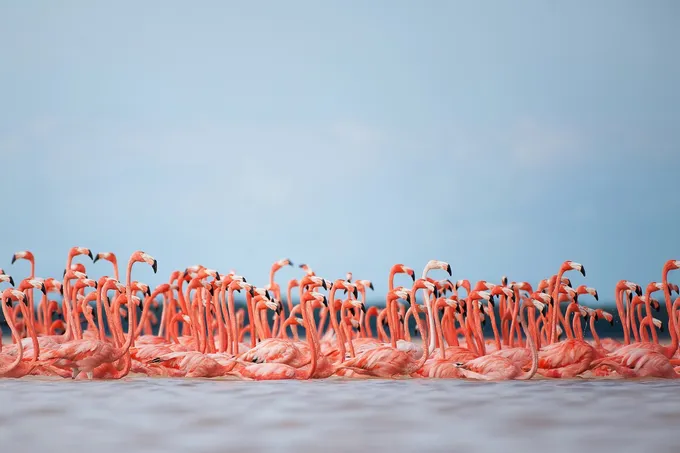
Beyond jaguars, an impressive array of wildlife also finds a home in Yucatan’s mangrove-sheltered coastlines and the Selva Maya tropical forest. Herencia Maya will preserve critical habitats for hundreds of endemic and migratory species, from American flamingoes to loggerhead sea turtles.
Indigenous Peoples and local communities are some of the world’s most successful stewards and guardians of nature. In supporting the rights, worldviews, and traditions of the Maya people, Herencia Maya ensures that effective conservation will prevail for generations to come.
"The 30x30 agenda responds to one of the most urgent challenges of our time: the loss of biodiversity crisis. This is not only an environmental issue—it is a direct threat to the well-being, security, and future of people everywhere. Herencia Maya demonstrates how subnational action can drive progress toward global commitments while safeguarding the livelihoods, cultural heritage, and knowledge of local communities. The scale of the challenge is immense, but this initiative proves what is possible when we work together with purpose and ambition."
—María José Villanueva, Country Director of WWF-Mexico
© WWF-US/Alejandro Prieto
"Conservation at this scale requires bringing everyone to the table—government, communities, and partners who understand that protecting nature helps people. Herencia Maya secures more than a million acres and the freshwater that sustains more than a million lives. And it does so with the kind of durable financing and local leadership that ensures these places endure for generations to come."
—Carter Roberts, President and CEO of WWF-US
© WWF-US / Alejandro Prieto
“El Zapotal is a paradise for endemic and migratory birds. The area and neighboring ejidos contribute to the conservation of five wild cat species—jaguar, puma, ocelot, margay, and jaguarundi—as well as deer, armadillos, peccaries, and a wide variety of endemic mammals, amphibians, and reptiles. At Pronatura Península de Yucatán, we celebrate the launch of Herencia Maya, which will strengthen efforts to preserve an area of great biological importance for the region.”
—María Andrade, Pronatura Península de Yucatán Director
© Jason Houston / WWF-US
“Today, protecting ecosystems is not optional—it is vital. At the local level, the Cuxtal Ecological Reserve stands as an example that has demonstrated the importance of defending the natural lungs closest to us, as well as the challenge of extending that vision to society as a whole. With Herencia Maya, we are not only building a financial architecture but also planting the seed of our own permanence in a city like Mérida, which requires and demands a steadfast commitment to our biodiversity and a pact with future generations.”
—Sandra García Peregrina, Cuxtal Ecological Reserve Director
© Jason Houston / WWF-US
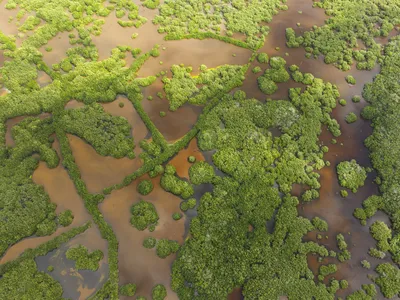
"Protecting and conserving coastal ecosystems, seas, and mangroves is everyone’s responsibility. Conservation is a state of harmony between people and nature. Mother Earth is suffering because of climate change. The ecological crisis is a crisis of the mind and spirit, one that must be confronted with the heart."
—Darwin Sosa, fisher and conservation advocate, Dzilam de Bravo
© WWF-US / Alejandro Prieto
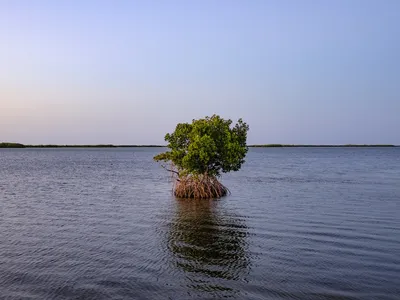
"Our town, Dzilam de Bravo, is beautiful ... the beaches, the mangroves, the cenotes. I don't wish to see any of it disappear. Deforestation is a serious threat to our environment, which is why I work on mangrove restoration. Every action that helps protect nature is something positive for our community and for the future of the people who live here."
—Guadalupe Mendoza Nuñez, resident of Dzilam de Bravo, Yucatán
© Jason Houston / WWF
Partners
Herencia Maya is possible thanks to the shared vision and commitment of the State Government of Yucatán, the Municipality of Mérida, Natural Spaces and Sustainable Development (Endesu), and WWF, including Bepensa Corporation, The Coca-Cola Foundation, Enduring Earth, Marshall Field, Global Environment Facility (GEF), HP Inc., Margaret A. Cargill Philanthropies, Mexican Federal Ministry of Environment and Natural Resources (SERMARNAT), National Commission of Protected Areas (CONANP), Richard and Anna Marie Rosen, The Nature Conservancy, Pronatura Yucatan Peninsula, A.C. (PPY), and Jeff and Laurie Ubben.

© Jason Houston / WWF-US
Enduring Earth
Herencia Maya joins a growing complement of locally designed and led Project Finance for Permanence (PFP) initiatives that are supported by Enduring Earth, an ambitious collaboration between The Nature Conservancy, The Pew Charitable Trusts, WWF, and ZOMA LAB. Enduring Earth partners with governments, communities, Indigenous Peoples, and funders to accelerate conservation, address the climate and biodiversity crises, and support community economic development. Together, we seek to protect more than 1.4 billion acres using the PFP model to secure the resources and agreements needed to drive change on a global scale.

© WWF-US / Alejandro Prieto
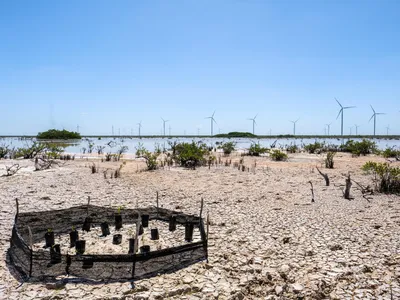
"Mexico's Herencia Maya PFP marks a pivotal step forward for conservation and sustainable development nationwide. As the first state-level PFP, it demonstrates how targeted ambition can help drive a broader national effort to protect 30% of Mexico's lands and waters by 2030. By bringing together partners and environmental stewards, this initiative is laying the foundation for long-term financing to sustain protected areas while delivering meaningful benefits for communities."
—Zdenka Piskulich, Managing Director, Enduring Earth
© Jason Houston / WWF-US
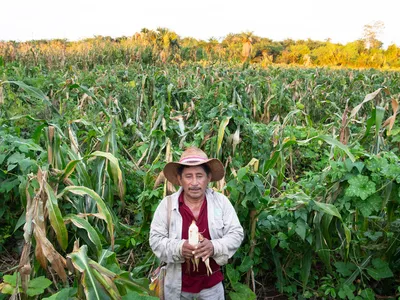
“Through The Coca-Cola Foundation and Bepensa, Coca-Cola is proud to support the Herencia Maya initiative alongside organizations and communities working to protect the Yucatán Peninsula’s natural resources. Water is essential to communities, ecosystems, and economic development, which is why helping protect water resources remains an important priority for our business. We believe collaborative efforts like Herencia Maya can help strengthen ecosystem resilience and contribute to the long-term wellbeing of communities across the region.”
—Venkat Iyer, Senior Director of Water and Agriculture for The Coca-Cola Foundation
© WWF-US/Alejandro Prieto
“As a longtime supporter of conservation in Mexico, I know that the cultural and natural richness of Yucatán State makes it a special place. I am proud to be a part of Herencia Maya, knowing that it will benefit the people and nature of Yucatán for generations to come.”
—Marshall Field, WWF Board Emeritus
© iStockphoto / Getty / Andrew Kanyshev
"The Herencia Maya PFP will greatly benefit the people and natural ecosystems of the Yucatan and thereby benefit Mexico and all of planet Earth. We thank all parties that have made this project possible—and if the plants and creatures could speak, they would be thanking you, too."
—Richard Rosen, WWF National Council, and Anna Marie Rosen
© Jason Houston / WWF-US
“The Nature Conservancy applauds the Government of Yucatán for its bold global leadership through Herencia Maya. By stepping forward at the state level, Yucatán is showing the world what is possible when government partners with communities, Indigenous leadership, and durable finance to deliver permanent conservation at scale. This initiative protects freshwater, safeguards biodiversity, and strengthens livelihoods deeply rooted in Maya culture. Herencia Maya is a powerful example of how collaboration across public institutions, local governance, and community stewardship can secure the well‑being of both people and nature for generations to come.”
—Jennifer Morris, Chief Executive Officer, The Nature Conservancy
© WWF-US/Alejandro Prieto
“At HP Inc., we are proud to support Herencia Maya and its vision for long-term conservation and community well-being. This initiative highlights the importance of protecting natural resources while fostering sustainable development. It reflects our commitment to advancing efforts that create lasting environmental and social benefits for people and the planet.”
—Frinee Cano, Latin America Sustainable Impact Lead, HP Inc.
© WWF-US/Alejandro Prieto