Namibia for Life
A visionary initiative to protect 50 million acres for communities and nature

© WWF-US/Gareth Bentley
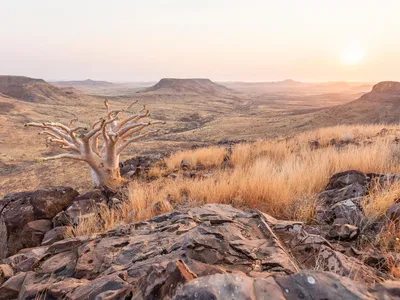
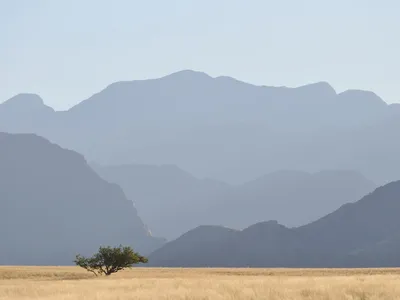
Namibia is a country of vast and dramatic landscapes, from the rocky outcrops of the Skeleton Coast to the white salt expanse of Etosha and the towering rust-red dunes of the Namib Sand Sea. Sparsely populated and rich in wildlife, this arid country has emerged as an oasis of community-led conservation that puts management in the hands of rural people.
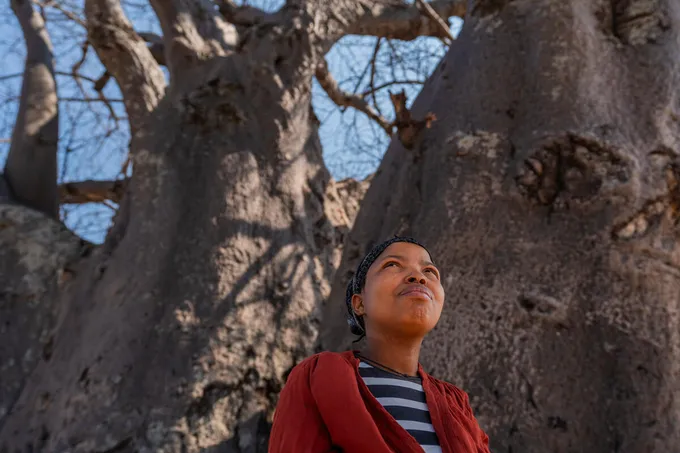
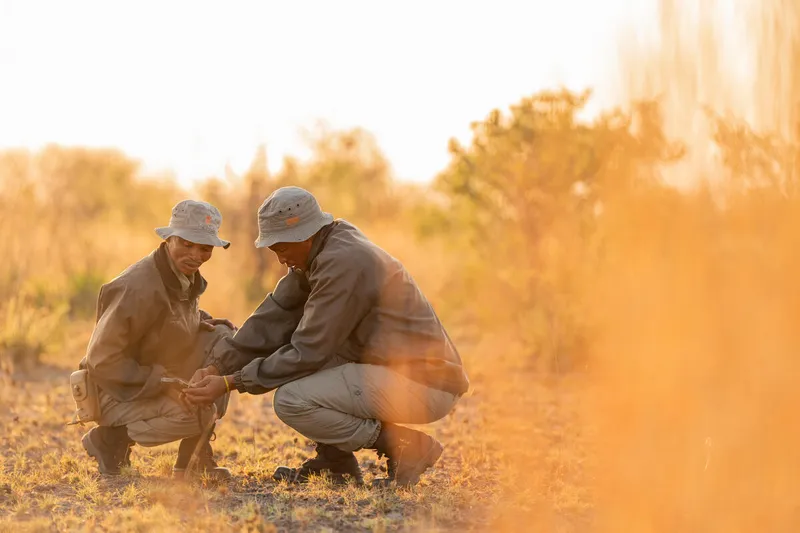
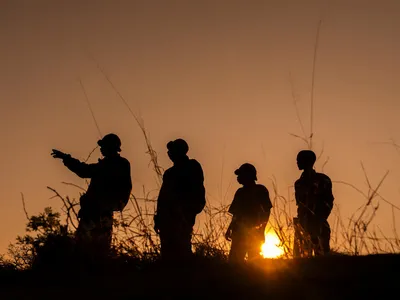
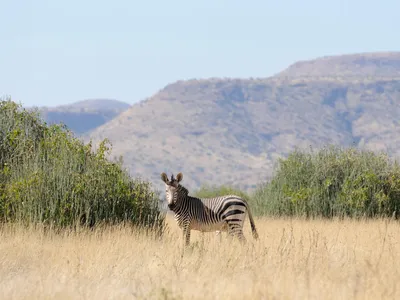
Here, zebras graze among cows milked by Indigenous Herero women in bright cattle horn-shaped headdresses. Men from the San community draw on ancestral knowledge to monitor free-roaming rhinos. And tourism lodges on community lands fund solar water pumps for livestock, elephants, and people alike.
To secure this impressive legacy of coexistence, the Government of Namibia and WWF announced the launch of Namibia for Life on May 20, 2026. This unprecedented conservation initiative—and the first Project Finance for Permanence initiative in Africa—promises to deliver lasting ecological and economic resilience for Namibia’s communities and ensure a future for some of Africa’s most iconic wildlife.
© WWF-US/Gareth Bentley
© CreativeLAB / WWF-US
A broad coalition, including WWF as part of the larger Enduring Earth collaboration, has secured an initial $63 million in public and private funding to permanently conserve more than 24% of the country and bolster livelihood opportunities for 283,000 people. With additional investments from the Green Climate Fund (GCF)—through a Climate Resilient Enduring Earth (CREE) initiative—and other partners, the fund has the potential to grow to $75 million.
Building on nearly three decades of community-led natural resource management, Namibia for Life reflects an unparalleled investment, leveraging demonstrated government commitment, an established network of institutional support, and an exemplary record of communal conservancies protecting wildlife while fostering sustainable livelihoods for communities.

© Marcus Westberg / WWF-US
“Since 2000, NACSO has proudly supported Namibia’s CBNRM* program through a collaborative, multi‑partner model that delivers coordinated and cost‑effective support to communities across the country. We are honored to support Namibia for Life as a bold and transformative milestone, securing permanent, sustainable financing and strengthening community‑led conservation for generations to come.”
—Maxi Louis, Director of NACSO, the Namibian Association of Community Based Natural Resource Management Support Organizations
*CBNRM refers to community-based natural resource management.
A culture of conservation
© CreativeLAB / WWF-US
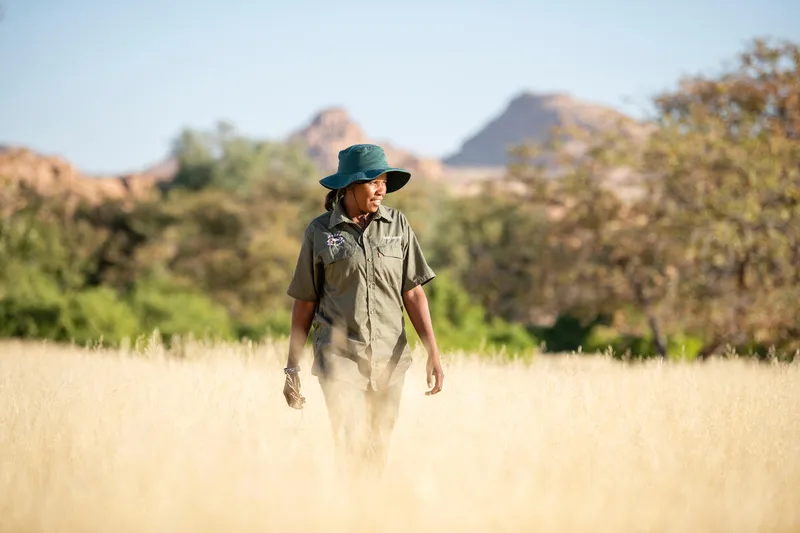
Soon after gaining independence in 1990, Namibia wrote environmental protection into its constitution. In 1993, the country passed a groundbreaking law establishing the right of local people to organize themselves as conservancies and benefit directly from managing natural resources on communal lands.
The first communal conservancy formed in 1998. Since then, a growing network of these voluntary, self-governed associations has enabled communities in some of Namibia’s most impoverished areas to manage their wildlife sustainably, while enjoying vital economic gains.
John Kasona, Executive Director of Integrated Rural Development and Nature Conservation (IRDNC), has remarked that, “As Namibians, we have done things that no one in this world has done before. We have secured wildlife species that went extinct in other countries. They live outside protected areas and can roam freely in their natural habitats. It’s a victory for us to see conservancies putting more land aside for conservation. These are all ordinary people, cattle herders who have walked the talk of community-based natural resource management and want to take the next step.”
Namibia for Life recognizes this local stewardship as central to conservation success.
“I regard the Project Finance for Permanence initiative as a significant milestone in advancing community-led conservation and sustainable development. It offers essential support to strengthen the capacity of our member conservancies and community forests, ensuring long-term environmental stewardship and socio-economic benefits. Through this partnership, we aim to enhance coordination, accountability, and impact for the benefit of present and future generations.”
—Thomas Muronga, Chair, National Communal Conservancy and Community Forest Alliance (NCCFA)
When communities lead, nature thrives
Namibia’s experiment in community-led conservation has yielded remarkable results for wildlife and wild lands—with WWF as a steadfast partner since 1993.
Today, an expanding network of conservancies stewards approximately one-fifth of the country. The commitment of these conservancies complements a well-managed collection of 15 national parks along with the Skeleton Coast-Etosha Conservation Bridge under the Legacy Landscapes Fund.
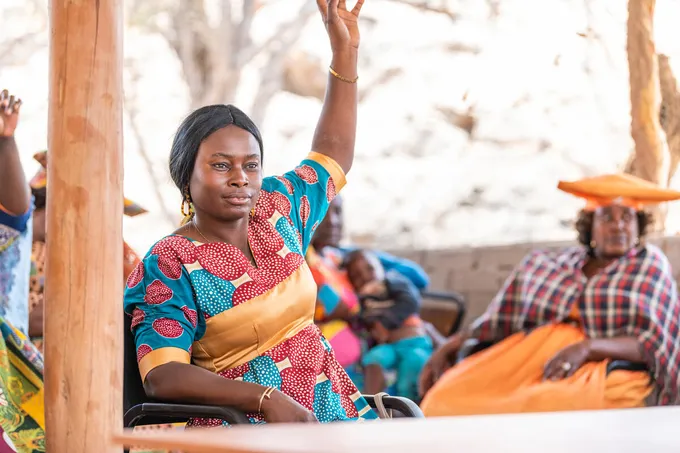
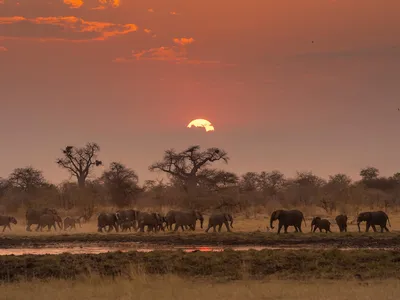
Conservancies share borders with 70% of Namibia’s state protected areas, securing extensive intact ecosystems, as well as corridors where wildlife can move safely between critical habitats. These communities have a proven track record of recovering, sustaining, and growing populations of imperiled species—in some cases bringing populations back from the brink of extinction.
© CreativeLAB / WWF-US
© Jason Houston / WWF
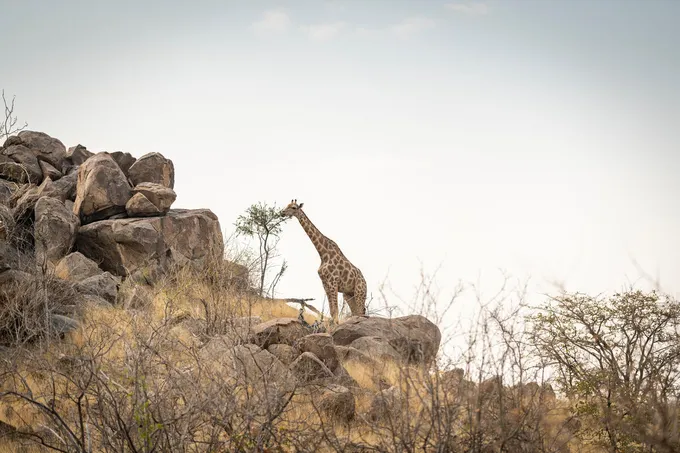
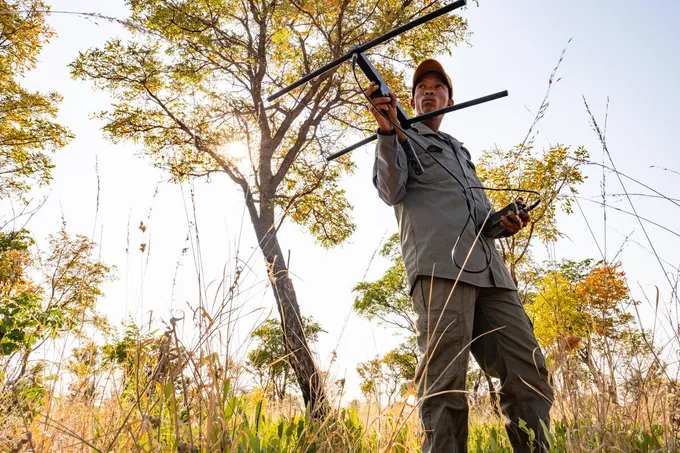
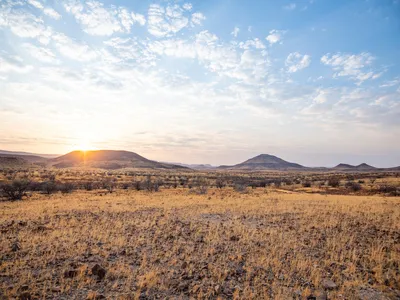
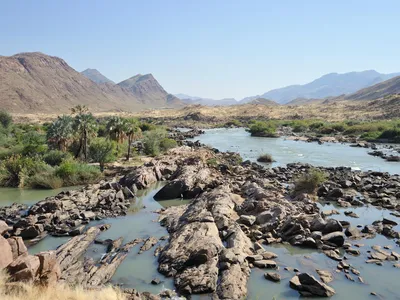
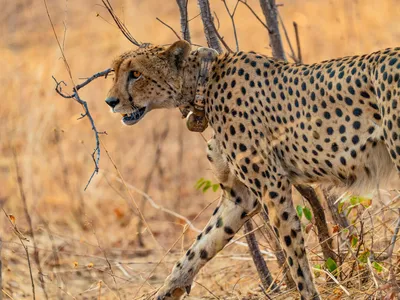
In northwestern Namibia, for example, conservancies stretch from Skeleton Coast National Park to Etosha National Park about 100 miles inland. In this vast, dry region, community lands support desert-adapted elephants and lions, as well as a free-roaming population of black rhinos. Only a few hundred black rhinos existed in Namibia in 1990. Today, Namibia is home to the second-largest black rhino population in the world.
In the northeast, conservancies play a vital role in the Kavango-Zambezi Transfrontier Conservation Area (KAZA), a WWF-backed landscape linking protected areas in Namibia with those in Angola, Botswana, Zambia, and Zimbabwe. Here, conservancies witness the world’s longest overland wildlife migration—the 300-mile journey of Burchell’s zebras between Namibia and Botswana—and profit from sustainable tourism and related enterprises.

© CreativeLAB / WWF-US
“Namibia’s rich biodiversity is a national asset that underpins our tourism economy, rural livelihoods, and our resilience to climate change. Initiatives such as Namibia for Life demonstrate how strategic partnerships can translate conservation achievements into long-term socio-economic benefits for our people.”
—The Right Honorable Elijah Ngurare, Prime Minister of Namibia
Backing what works
© CreativeLAB / WWF-US
For this success to endure, it must enhance the well-being of local people.
Namibia’s wildlife populations contribute to a vibrant tourism economy that employs tens of thousands and is a significant and growing contributor to the country’s GDP.
By expanding on Namibia’s longstanding recognition of wildlife as an invaluable cultural and economic asset and linking natural resource management to the ambitions of rural Namibians, the country is poised to harness community-centered conservation as a driver of sustainable economic growth in even more robust ways.
Namibia’s 87 communal conservancies will themselves be key leaders in the initiative, with that number expected to grow up to 100 as more communities elect to self-organize.
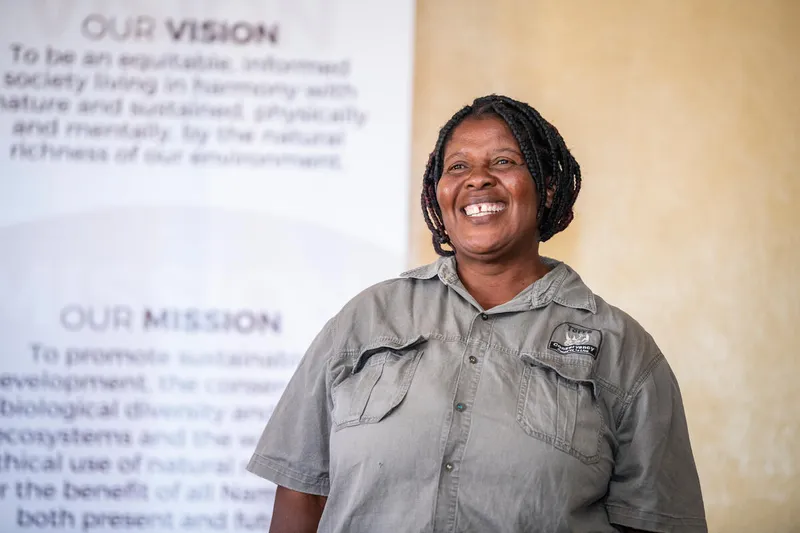
The Namibian Association of Community Based Natural Resource Management Support Organizations, NACSO, has been working with communal conservancies since its earliest iteration in 1996. NACSO Director Maxi Louis points out that “When conservancies come together institutionally, you are addressing many issues at scale—including wildlife management, human-wildlife conflict, governance, poaching, and gender equity.”
“As Chairperson of the Okongo Conservancy, I am very happy and excited about the Namibia for Life Project Finance for Permanence initiative. It will strengthen capacity, improve governance, and ensure our communities benefit more from conservation, while also supporting better monitoring of donor funds in our conservancies.”
—Martha Nghidengwa, Chairperson of Okongo Conservancy
Financing resilience
© WWF-US/Gareth Bentley
Lasting conservation requires steady support.
Namibia for Life is the first effort of its kind in Africa to leverage an innovative conservation finance approach, Project Finance for Permanence (PFP). The PFP model secures the policy changes and financial resources needed to make conservation effective and durable.
In Namibia, it strengthens conservancy governance and reinforces the legal framework that allows communities to benefit from their resources. It also creates an endowment fund to ensure the long-term viability of conservancies, augment incentives to conserve habitat, and invest in socioeconomic development.
Co-designed through extensive stakeholder collaborations, Namibia for Life addresses local priorities and conservation values to fund support services for communities—such as training in natural resource management and institutional development—in perpetuity.
The endowment will also direct capital toward improving existing livelihoods and fostering new nature-based enterprises. Crucially, following years of severe drought and disrupted international travel during the pandemic, this includes funding to diversify options for generating income beyond tourism. By helping communities develop new businesses that reinforce conservation, Namibia for Life aims to build resilience against climate challenges and future travel disruptions.

© Marcus Westberg / WWF-US
“After 30 years of commitment and support to the community-based natural resource management movement, the launch of Namibia for Life and the long-term funding it provides is a dream come true. This funding will maintain a lasting foundation from which to launch new opportunities for nature and people into the future. What a wonderful achievement. We are proud as WWF to be part of this partnership.”
—Dr. Juliane Zeidler, Country Director, WWF-Namibia
The power of partnership
Namibia for Life unites an extraordinary coalition of government, conservancy, philanthropic, and NGO partners around a shared vision. This bold initiative is possible thanks to Namibia’s Ministry of Environment, Forestry and Tourism (MEFT), the Community Conservation Fund of Namibia (CCFN), Namibian Association of Community Based Natural Resource Management Support Organisations (NACSO), and WWF, in collaboration with other key partners. These include Bezos Earth Fund, Carmen Busquets, Development Bank of Namibia (DBN), Enduring Earth, Global Environment Facility (GEF), Impact Tank Analysis Foundation, National Communal Conservancy and Community Forest Alliance (NCCFA), The Liz Claiborne & Art Ortenberg Foundation, Margaret A. Cargill Philanthropies, Laurie and Jeffrey Ubben, and ZOMA LAB. Namibian partners also recognize the many years of critical support from the Federal Ministry for Economic Cooperation and Development (BMZ) of the Federal Republic of Germany through KfW for CCFN and the conservancy movement.
“Namibia for Life will secure long-term, sustainable financing to strengthen communal conservancies and the extension services that keep them effective in one of the world’s most important dryland biodiversity strongholds. This is a great example of a whole-of-society approach to achieving the Kunming Montreal Global Biodiversity Framework’s goal of conserving 30% of land, waters, and seas by 2030.”
—Claude Gascon, Interim CEO and Director of Strategy and Operations, GEF
Modeling excellence
Since its founding, Namibia's commitment to environmental protection has made it a model of durable community-led conservation, inspiring and influencing wildlife management and sustainable development around the globe. By permanently securing the engine of the country’s conservation success, Namibia for Life promises to drive change on a scale that matters for people and nature—once again illuminating a path forward for others across the world.
“Namibia’s landscapes hold some of the world’s most magnificent wildlife and a powerful story of what’s possible when communities lead the way. For decades, communal conservancies here have shown that conservation works best when local people have a voice and direct stake in the future of their homelands. This initiative demonstrates that when communities, governments, and partners come together through the Project Finance for Permanence model, we can secure lasting benefits for nature and for the people who count on it.”
—Carter Roberts, President and CEO, WWF-US
Enduring Earth
Namibia for Life joins a growing complement of locally designed and led Project Finance for Permanence (PFP) initiatives that are part of Enduring Earth, an ambitious collaboration between The Nature Conservancy, The Pew Charitable Trusts, WWF, and ZOMA LAB, the family office of Ben and Lucy Ana Walton. Enduring Earth partners with nations, communities, and philanthropists to accelerate conservation, help address the climate and biodiversity crises, and support community economic development. Together, Enduring Earth partners seek to protect more than 1.4 billion acres using the PFP model to secure the resources and agreements needed to drive change on a global scale.

© NACSO/WWF in Namibia
“This initiative strengthens national ownership of conservation financing while ensuring that communities remain at the heart of natural resource management. The Namibia for Life PFP is aligned with government priorities and reinforces our commitment to inclusive, community-driven conservation.”
—Honourable Indileni Daniel, Namibia’s Minister of Environment, Forestry and Tourism
© CreativeLAB / WWF-US
“Namibia’s community conservancies show that nature can recover when communities have the power and resources to manage the lands they know best. Philanthropy can help turn that local leadership into lasting finance, and Namibia for Life brings that promise to life, giving 30x30—the global goal of protecting 30% of land and sea by 2030—the staying power it will need long after the announcement.”
—Dr. Cristián Samper, Managing Director and Leader for Nature Solutions, Bezos Earth Fund
© NACSO/WWF in Namibia
“When I visited Namibia in 2018, I understood why it is such an important country for the future of conservation. Its commitment to community-led preservation, wildlife protection, and sustainable development is truly inspiring. After seeing firsthand the impact WWF created through Bhutan for Life, I had no doubt they were the ideal partner for an initiative like Namibia for Life.”
—Carmen Busquets, WWF National Council Member
© WWF-US/Gareth Bentley
“This is a decisive step in securing long-term funding to support communities managing wildlife and natural resources. With consistent extension services, it will help ensure communities remain well-governed and able to deliver both conservation and livelihood benefits. It also helps maintain Namibia’s position as a global leader in community-based conservation.”
—Advocate Andrew Corbett, Chairperson, CCFN Board
© CreativeLAB / WWF-US
“Namibia for Life marks a defining moment for community-led conservation as the first Project Finance for Permanence initiative in Africa and the eighth globally since Enduring Earth was established in 2020. Led by communal conservancies, this PFP channels long-term finance into local nature-based enterprises and contributes to a total of more than US$1.8 billion now secured in durable funding through PFPs. By backing community-run lodges, honey and craft value chains, and other nature-based businesses, Namibia for Life keeps income local, eases pressure on natural resources, and advances global 2030 conservation goals.”
—Zdenka Piskulich, Managing Director of Enduring Earth
© WWF-US/Gareth Bentley
"SEDF is an important step toward building stronger, more sustainable conservancy economies in Namibia. By combining enterprise support with access to appropriate finance, we are assisting community-based businesses to strengthen their operations, improve investment readiness, and create long-term livelihood opportunities linked to conservation."
—Elzine Mushambi, Founder of Impact Tank
© WWF-US/Gareth Bentley
“Namibia for Life demonstrates how nature conservation and benefits for local communities go hand in hand. We are delighted to expand our work with the ProNamib Nature Reserve and community programmes in Hardap by supporting this outstanding initiative for the whole of Namibia.”
—John Bernstein, Chairman of The ProNamib Trust
© NACSO/WWF in Namibia
"For over two decades, Namibia's communal conservancies have proven that when local communities have the authority and resources to manage their wildlife, both wildlife and communities flourish. Namibia for Life builds on this trusted model by securing permanent funding and policy support for up to 100 conservancies managing up to 20 million hectares. This is Southern Africa's first Project Finance for Permanence initiative—and it works precisely because it enables communities who are already conservation experts to scale what they do best: protecting wildlife while building sustainable enterprises that benefit their families and future generations."
—Nik Sekhran, Chief Conservation Officer, WWF-US
© NACSO/WWF in Namibia