Toggle Nav
Stop Wildlife Crime

In 50 years of conservation, we have never seen wildlife crime on such a scale. Wildlife crime is now the most urgent threat to three of the world’s best-loved species—elephants, rhinos and tigers.

The global value of illegal wildlife trade is between $7.8 billion and $10 billion per year. It is a major illicit transnational activity worldwide—along with arms, drugs and human trafficking. High-level traders and kingpins are rarely arrested, prosecuted, convicted or punished for their crimes.

Even more worrying, these species cannot survive high levels of poaching for long.

  • Tigers

    I am not a rug

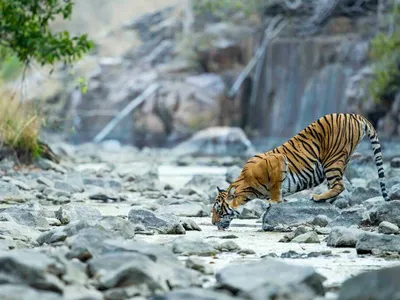
    Every part of the tiger—from whisker to tail—is traded in illegal wildlife markets. Poaching is the most immediate threat to wild tigers. In relentless demand, their parts are used for traditional medicine, folk remedies, and increasingly as a status symbol among wealthy Asians.

  • African Elephant

    I am not a trinket

    Tens of thousands of elephants are killed every year for their ivory tusks. In 1989, the Convention on International Trade in Endangered Species of Wild Fauna and Flora (CITES) banned the international trade in ivory. However, there are still some thriving but unregulated domestic ivory markets in a number of countries, which fuel an illegal international trade.

  • Black rhino

    I am not medicine

    At least one rhino is killed every day due to the mistaken belief that rhino horn can cure diseases. The main market is now in Vietnam where there is a newly emerged belief that rhino horn cures cancer. Rhino horn is also used in other traditional Asian medicine to treat a variety of ailments including fever and various blood disorders. It is also used by wealthy Asian as a cure for hangovers.

  • Mba Ndong Marius, an Eco Guard from Oyem, holds seized ivory tusks. These tusks became part of a five-ton ivory burn by the government of Gabon, signaling that the illegal ivory trade and elephant poaching will not be tolerated in the country.

    On the frontlines

    Rangers and local communities are often caught in the crossfire of wildlife crime. Rangers like Mba Ndong Marious in Gabon have to face dangerous gangs of armed poachers to save their elephants.

  • Bengal tiger crossing road in front of watching tourists,

    Worth more alive than dead

    Charismatic species like tigers are a huge tourist draw and are an important source of revenue in many countries. Here, a Bengal tiger crosses the road in front of watching tourists at Bandhavgarh National Park in India.

Together We Can Stop Wildlife Crime

We need your help to save wildlife and people from becoming victims of wildlife crime. Join our campaign and help us:

  • Push governments to protect threatened animal populations by increasing law enforcement, imposing strict deterrents, reducing demand for endangered species products and honoring international commitments made under CITES.
  • Speak up on behalf of those on the frontlines being threatened by armed poachers so they are properly equipped, trained and compensated.
  • Reduce demand for illegal wildlife parts and products by encouraging others to ask questions and get the facts before buying any wildlife or plant product.

How You Can Help

  • African Elephant
    Sign On to Stop Wildlife Crime

    We're dead serious about stopping wildlife crime. Stand with WWF. Together, we will make a difference. Sign the pledge today.

  • Tiger
    Thank a Ranger

    Rangers work tirelessly under harsh conditions on the frontlines to protect and conserve wild tigers. Send a postcard to a ranger!

Stay Connected

Visit our Supporter Page for the latest updates on the campaign, more actions you can take, and fun ways to spread the word to your friends and family.

What WWF Is Doing

  • Rhino

    Global Action to Fight Wildlife Crime This month in Bangkok, where 178 nations convened to discuss global wildlife trade, many of the country delegates publicly expressed the urgency and seriousness of the crisis. As poaching rates for African elephants and rhinos soar to catastrophic heights, member nations of CITES took action.

  • Elephant

    Protection for Asian Elephants and Help for Rangers We understood long ago that we need the support of local communities if we want to successfully conserve the wildlife with which they coexist. Equally, we must prioritize the men and women we task with wildlife protection. They are the front line. They are the heroes.

  • Teachers

    Buddhist Teachers Deliver Powerful Message Against Illegal Ivory Trade Four of Thailand’s most revered Buddhist teachers came together to deliver a powerful message: The ivory that causes the deaths of hundreds of thousands of elephants every year is profane, tainted with pain and suffering, and a mockery of compassion—a central tenet of the Buddhist faith.

View all updates