© Hartmut Jungius / WWF-Canon
Amur-Heilong
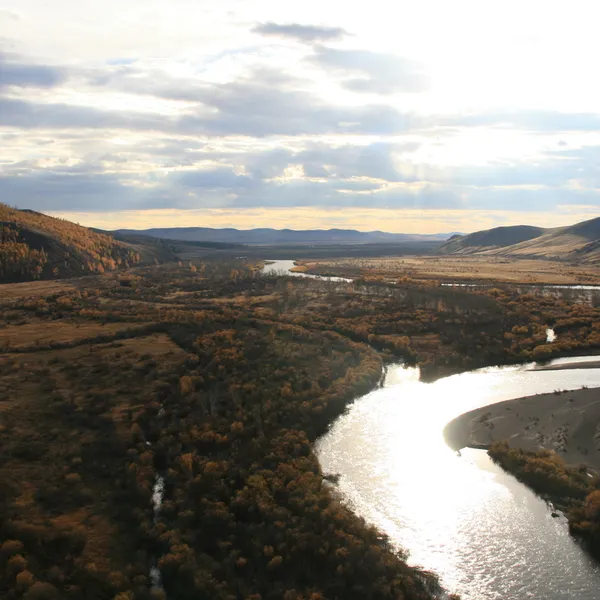
The Amur-Heilong covers areas of northeastern China, the Russian Far East, and Eastern Mongolia. The region contains one of the most biologically diverse temperate forests in the world, vast steppe grasslands, fertile wetlands, and the boreal forests.
The area consists of the 494-million-acre watershed of the Amur River—the longest undammed river in the Eastern Hemisphere—which creates a natural border between China and Russia. This great river originates near the sacred mountain of Burkan Khaldun in northeastern Mongolia, the birthplace of Genghis Khan.
Wildlife of the Amur-Heilong

© Hartmut Jungius / WWF-Canon
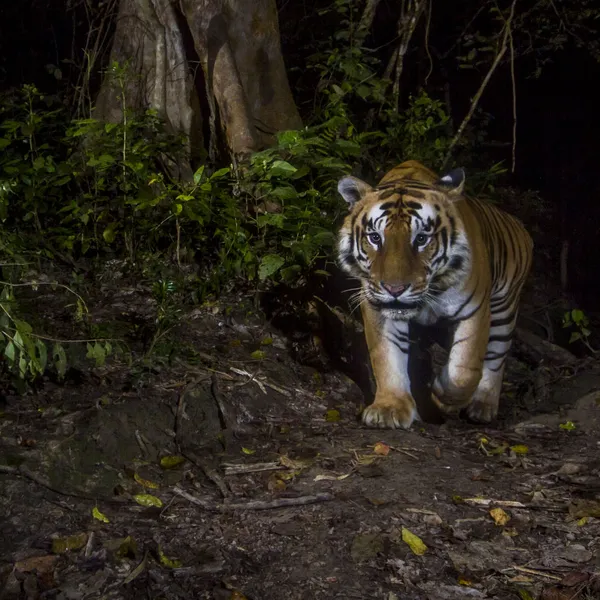
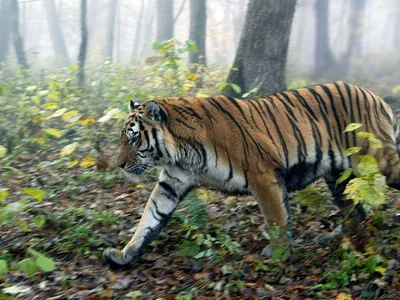
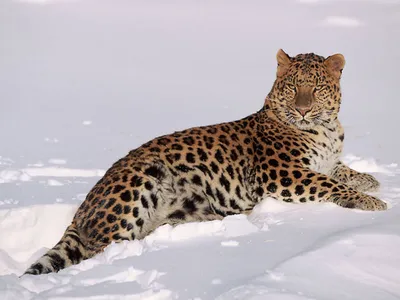
The Amur-Heilong harbors an incredible variety of species. Some 2,800 plant and over 600 animal species inhabit the Russian side of the river alone. The area is a key habitat for wildlife such as the endangered Amur tiger and the critically endangered Amur leopard, which sits perilously close to the brink of extinction with scientists estimating around 135 remaining the wild. Fortunately for Amur tigers, populations in Russia and China are increasing, with an estimated 500 Amur tigers in Russia and around 60 in China.
The old-growth deciduous and coniferous forests are also home to musk deer and brown bears. And the wetland ecosystems of the Amur-Heilong offer important refuge for migratory waterfowl, such as Oriental white storks, and white-naped and red-crowned cranes. The Amur River is home to the world's largest salmon, the Siberian taimen. Wild ginseng, treasured for its healing powers, grows across the Russian Far East portion of the region. Mongolia’s eastern “Daurian” steppe ecosystems stand out as one of the best remaining examples of intact temperate grasslands in the world. There, the Mongolian gazelle (Procapra gutturosa) performs one of the largest migrations in the Northern hemisphere. This species may be found living in herds of several thousand individuals. Millions of migratory birds use Dauria as an important stopover location along two of the world’s largest flyways: The East Asia-Australasia flyway and the Central Asia flyway.
People and communities of the Amur-Heilong

© Vladimir Filonov / WWF
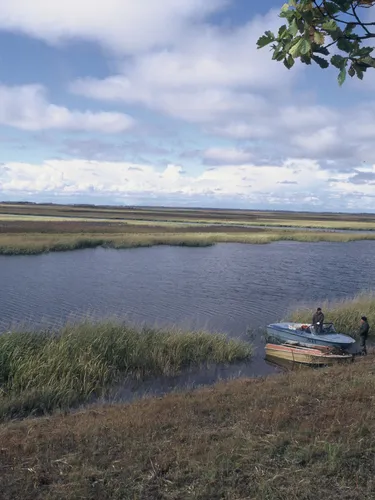
Rapid population growth in northeastern China is putting pressure on Indigenous ethnic groups who have lived for centuries in the Amur-Heilong Basin, such as the Owenk and Hezhe. Far fewer people live on the Russian side of the river, which is home to European and Russian immigrants and Indigenous groups such as the Nanai and Udege, who depend on the rivers and forests for their livelihoods.
One of the region's largest conservation challenges is balancing economic development with achieving sustainable land use, keeping the needs of Indigenous people in mind. Traditional lifestyles in the area are often based on fishing and are now severely threatened by the decline in fish stocks and water pollution.
Amur-Heilong under threat

© naturepl.com / Mark Carwardine / WWF-Canon
Illegal wildlife trade
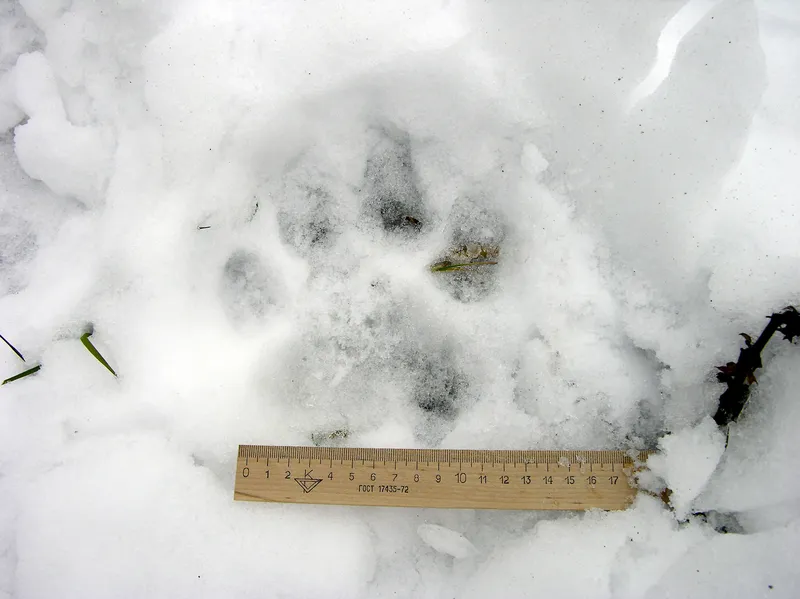
While poaching has declined in recent years thanks to enforcement efforts, enthusiasm for traditional Chinese medicine still feeds a booming wildlife trade in products such as bear gall bladder, tiger paw, and ginseng.
Habitat destruction
Dams, pollution, and habitat destruction all threaten the health of the Amur-Heilong Basin. In addition to local pressures, this fragile ecosystem is imperiled by the international demand for timber, energy, and animal products. Recent climatic trends are reshaping migration routes and altering weather patterns that impact the health of local wildlife.
Infrastructure development
Infrastructure plays a critical role in connecting people to goods, services, and resources. However, it can also be one of the most impactful drivers of ecosystem degradation and biodiversity loss. Transportation and energy infrastructure cross wildlife corridors and create barriers to migration that fragment populations and drive greenhouse gas emissions. Mongolia has made noteworthy efforts to conserve its wilderness and preserve its biodiversity. For animals to move freely and safely and for ecosystems to continue providing natural resources such as clean water, developers and decision-makers must consider the infrastructure’s impact on nature and wildlife.
WWF is taking action to protect the Amur-Heilong
© WWF-Russia / V. Kiriliuk
Protecting the river’s headwaters
In Mongolia, WWF works with partners to improve land reclamation and restoration practices. We also implement ecotourism programs that encourage conservation while providing local economies with revenue.
Restoring habitats and protecting species
In China, WWF is working to connect and secure critical tiger habitats across the Northeastern tiger range. This includes first identifying key tiger corridors as well as assessing habitat to ensure tigers can move through these areas safely and have enough prey to support their populations. Once these areas are identified, WWF is leading restoration efforts to plant native tree species like Korean pine to provide food for tiger prey species, including wild boar and sika and red deer.
In Mongolia, WWF works with government partners to minimize migration barriers for birds and hoofed mammals, like the Mongolian gazelle, by adopting wildlife-friendly infrastructure policies such as the National Wildlife Passage Standard and Barrier Fencing Standard. To equip infrastructure developers with the skills and knowledge needed to meet these standards, WWF is working with local universities and private sector groups to build curricula and training programs that integrate ecology and engineering.
Ensuring the river’s natural flow
WWF works with governments at all levels to urge adoption of a proposal for hydropower energy development that strikes a sustainable balance between the needs of humans and the region’s ecological integrity.
Featured projects in the Amur-Heilong

© WWF-Russia / ISUNR
Camera trap photos of Amur leopards
A camera trap in a protected area in Russia has captured photos of eight Amur, one of the world’s most endangered wild cats. While a "camera trap" might sound menacing, it actually does not harm wildlife. The name is derived from the manner in which it "captures" wildlife on film.