© WWF-US/Danielle Brigida
Eastern Himalayas
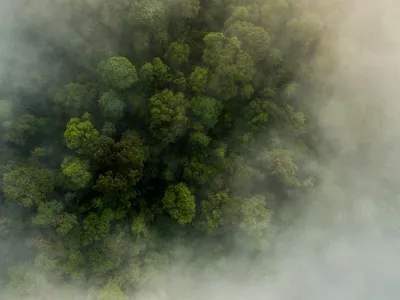
This biodiversity hotspot stretches over 1,500-miles across Nepal, Bhutan, and northeast India. The region supports some of the greatest biodiversity on Earth including iconic species such as the snow leopard, tiger and greater one-horned rhino, as well as millions of people.
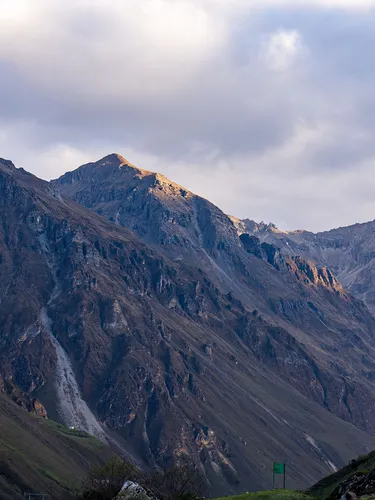
The Himalayas are the highest mountain range in the world and includes nine out of 10 of the world’s highest peaks, including Mount Everest. This critical high mountain ecosystem, often referred to as the Third Pole, is the source of Asia’s major river systems that provide water to over two billion people and help to regulate our planet’s climate.
For centuries people here have developed a unique culture that weaves nature and people together into the same fabric of life. The region is the birthplace of the Buddha and is full of sacred natural sites such as secret valleys and high mountain lakes that predate ancient Hinduism.
Throughout the Eastern Himalayan region, an incredible range of ecosystems, including tropical, subtropical, and temperate forests, savanna, tundra, and rich alpine meadows, hosts rich and unique biodiversity. However increasing infrastructure development and agriculture expansion, along with demand for timber and rare wildlife for the illegal wildlife trade, is threatening the region’s fragile habitats and natural resources.
The impact of global climate change is not only intensifying these threats but further melting the once mighty Himalayas at a rate faster than ever recorded in human history, jeopardizing this vital source of freshwater.
WWF has worked in the Eastern Himalayan region since the start of the conservation movement and the founding of our organization in 1961. By joining hands with governments, local communities and supporters around the world, we have made progress for wild species and natural landscapes. But more needs to be done to forge a sustainable future for the Eastern Himalayas.
Wildlife of the Eastern Himalayas
The Eastern Himalayas harbor an amazing diversity of life. There are over 160 globally threatened species found in the Himalayas, including Asia’s three largest herbivores–-Asian elephant, greater one-horned rhinoceros and wild water buffalo.
-
10,000 types of plants
-
300 mammals
-
Nearly 980 birds
-
175 reptiles
-
105 amphibians
-
270 freshwater fish
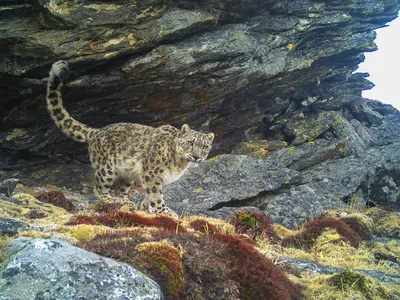
Snow leopards
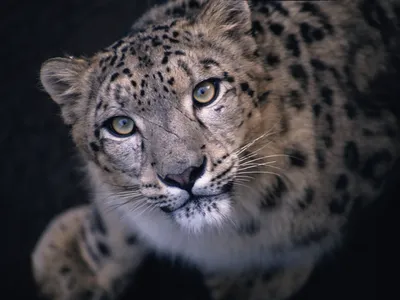
Snow leopards play a key role as a top predator, an indicator of the health of their high-altitude habitat, and, increasingly, an important indicator of the impacts of climate change on mountain environments.
© National Geographic Stock/Jason Edwards / WWF
Red pandas
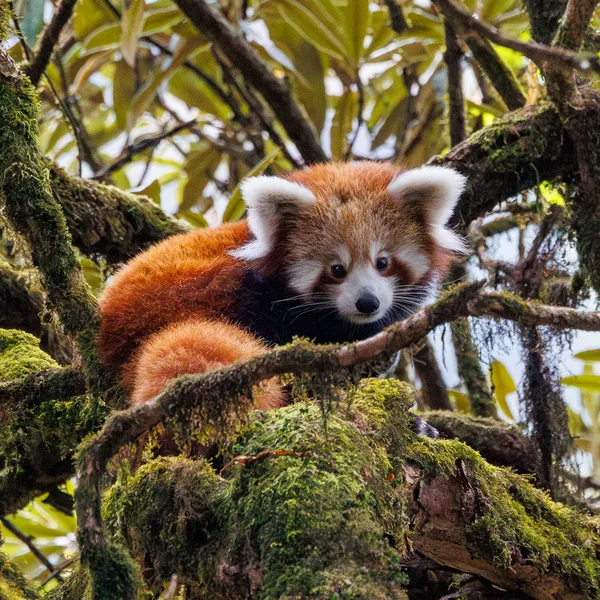
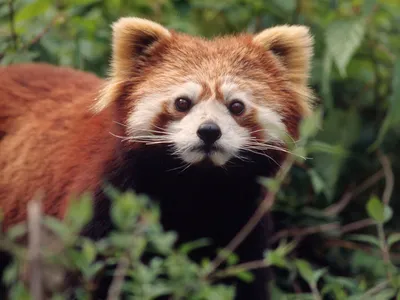
Almost 50% of the red panda’s habitat is in the Eastern Himalayas. The loss of nesting trees and bamboo is causing a decline in red panda populations across much of their range because their forest home is being cleared.
© Susan A. Mainka / WWF-Canon
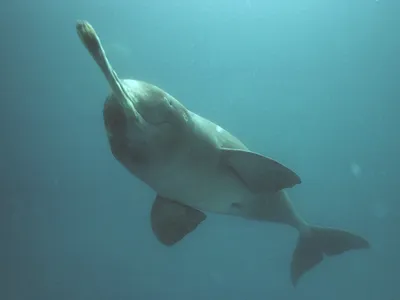
Ganges river dolphin
The Ganges river dolphin is important because it is a reliable indicator of the health of the entire river ecosystem. The government of India declared it the National Aquatic Animal in 2009.
© François Xavier Pelletier / WWF-Canon
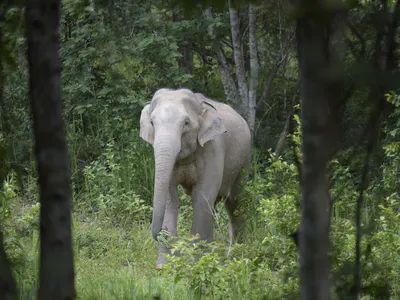
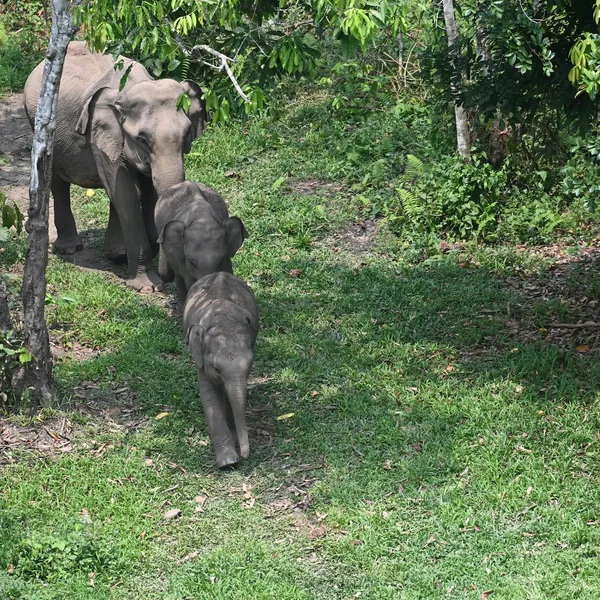
Asian elephants
The Asian elephant is the largest land mammal on the Asian continent. They inhabit dry to wet forest and grassland habitats in 13 range countries spanning South and Southeast Asia.
© Adam Oswell / WWF-Thailand
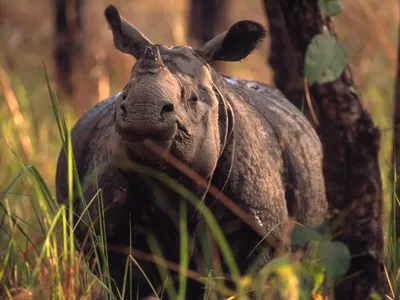
Greater one-horned rhino
At the beginning of the 20th century, 500,000 rhinos roamed Africa and Asia. By 1970, rhino numbers dropped to 70,000, and today, around 27,000 rhinos remain in the wild.
© Michel Gunther/WWF-Canon
People and communities of the Eastern Himalayas
WWF works closely with communities across the Eastern Himalayas because they are the true stewards of nature. We support community-led conservation that promotes local ownership of natural resources and provides alternative and long-term sustainable livelihoods.

© WWF-US/Aaron Gekoski
Culture of Conservation
The breadth of natural biodiversity in the Eastern Himalayas is complemented by a rich mosaic of cultures, traditions and people. Buddhists, Hindus, Christians and animists have lived closely with nature for centuries and have created a culture of conservation. Ancient traditions and livelihoods of many communities remain woven into the balanced use of natural resources. They depend on these resources for their livelihoods, and value ecosystem services such as freshwater, erosion control, and agricultural and subsistence harvests. The people ensure that their traditional activities are sustainable by practicing small-scale agriculture and effective community management.
Power for the People
WWF celebrated a major milestone in 2006 when the government of Nepal handed over the management of Kangchenjunga Conservation Area, located in northeast Nepal, to the local communities. This historic action was an important landmark in the Eastern Himalayas. It demonstrated the government’s commitment to the delegation of power to local communities and continues to be a model for community-led conservation.
In Assam, India, WWF is partnering with the Karbi Anglong Autonomous Council (KAAC) to promote sustainable and equitable development initiatives in the Karbi Anglong tribal community. The partnership focuses on addressing environmental challenges and fostering eco-friendly practices, with the ultimate goal of preserving the region’s natural resources to enhance the well-being of local communities and safeguard their environment.
Eastern Himalayas under threat

© Simon de TREY-WHITE / WWF-UK
Habitat Loss and Degradation
Deforestation, unsustainable land use practices, and infrastructure development are fragmenting habitats, reducing biodiversity, increasing soil erosion, and contaminating water resources. Climate change further intensifies these threats which impact wildlife, habitats, and communities.
Unsustainable and Illegal Use of Natural Resources
The Eastern Himalayas face serious pressures from the unsustainable and illegal extraction of timber, wildlife, and other natural resources. Poverty and a growing population — nearly half of India’s people live within 310 miles of the Himalayan range — are driving demand for food, shelter, and raw materials.
The region is also becoming a key source and transit route for the illegal wildlife trade. This is largely driven by demand from the pet market and traditional medicine industries in China and Southeast Asia. While many countries in the Eastern Himalayas have strong laws regulating wildlife trade, challenges like rising youth unemployment, poverty, and easy access to online markets are drawing more young people into this trade.
Human-Wildlife Conflict
Conflicts with tigers, elephants, snow leopards, and other species are becoming more acute in Bhutan, India, and Nepal. People and wildlife are increasingly sharing space in the Eastern Himalayas due to growing human populations and escalating habitat loss, resulting in increased conflict. Low awareness of how to handle human-wildlife conflict and limited livelihood options among communities in conflict-prone areas further compounds negative perceptions of wildlife and reduced support for conservation.
Human-wildlife conflict is closely linked to other conservation threats, including habitat fragmentation and loss of connectivity, poaching and the illegal wildlife trade, vulnerability to climate change, and the possibility of zoonotic disease spillover.
Climate Change
Warming temperatures as a result of climate change are melting the Himalayan mountain glaciers and increasing seasonal snow melt. This is changing freshwater flows and increasing potential for disastrous downstream flooding. Climate change is only predicted to intensify and further threaten the livelihoods, food sources, and water security for the communities and species in the region.
WWF is taking action to protect the Eastern Himalayas
WWF helps to protect, restore and reconnect natural landscapes across the Eastern Himalayas. Our goal is to make sure plant and animal species can thrive and at the same time, local communities are able to maintain and improve their livelihoods. This includes the sustainable use of natural resources from forests, grasslands and freshwater systems. We work with the governments of Bhutan, India and Nepal, as well as local communities, to protect forests, animal habitats and freshwater sources. We also work to empower communities to protect sacred lands.
Protecting species
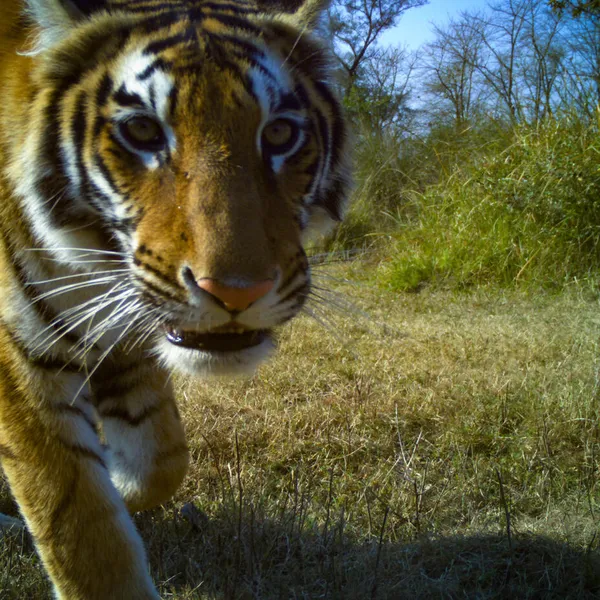
WWF works to protect some of the Eastern Himalayas’ most threatened and endangered species including Asian elephants, snow leopards, tigers, and red pandas. Through surveying and monitoring using methods like camera traps, species collaring, and environmental DNA (eDNA), we’re gaining a better understanding of species’ movements and population dynamics. This information can inform management plans and conservation measures to protect species and their habitats.
Sustainable Financing for Tigers
Decades of conservation efforts have led to increasing global wild tiger populations, however the progress is fragile. Through the Tiger Conservation Coalition, WWF and other global NGOs are working to ensure a future for tigers through securing sustainable financing: long-term, reliable investments in tiger conservation by public and private sectors. This contributes to the protection tiger landscapes, and some of the last wildlife spaces in Asia, while supporting the sustainable economic growth for Indigenous People and local communities that live in and around these landscapes.
Restoring the Terai Arc Landscape
Nepal’s Terai Arc region is home to endangered rhinos and elephants, and the world’s highest concentration of tigers. WWF is connecting 11 protected areas in this landscape by restoring the forests between them, which provides habitat corridors needed for species survival. We also support local communities and improve livelihoods by establishing community forestry groups that enable communities to benefit from forests by managing and restoring them.
Safeguarding Bhutan’s Natural Landscape
More than 70 percent of Bhutan’s land is covered by intact forests. Bhutan has an ambitious plan to maintain almost 400,000 acres of ‘wildlife highways’ that connect protected areas across the country. As the only international conservation organization with a permanent presence in Bhutan, WWF collaborates with the royal government to address Bhutan’s economic and environmental needs. We also engage and raise the technical capacity of the local people through education.
Protecting Northeast India’s Forests
Old-growth forests extend from Bhutan into northeast India, where a growing human population and infrastructure projects threaten some of the largest and last intact forests in Asia. WWF applies its experiences from community-based conservation in the Terai Arc and Bhutan to protect the forests of Assam and Arunachal Pradesh, restore critical elephant habitats, and reduce incidents of human-elephant conflict.
Greater Himalayan Transboundary Conservation Landscape
Spanning across the Eastern Himalayas in Nepal, Bhutan, and India, WWF aims to safeguard and restore over 38,000 square miles of connected, healthy ecosystems across this globally significant transboundary region. As climate change is increasingly intensifying pressures on the region’s biodiversity, natural resources, and mountain communities, we’re working to strengthen regional cooperation for conservation. This includes re-establishing connectivity and creating biological corridors that link priority conservation areas both within each country and across borders. Establishing protected areas will bolster the effectiveness of efforts to conserve these corridors and other effective area-based conservation measures, and protect threatened wildlife populations.
“The Greater Himalayan Transboundary Conservation Landscape marks a historic step in conservation cooperation between nations to preserve and protect a rich, shared landscape.”
Dechen Dorji Vice President for Asia, Wildlife Conservation
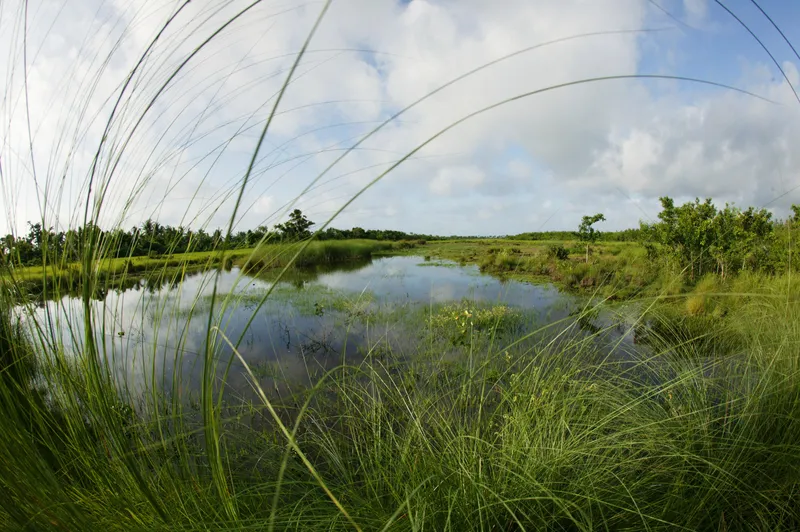
© David Woodfall / WWF-UK
The Freshwater Challenge
The Freshwater Challenge is a country-led initiative, created and supported by global organizations including WWF, that aims to support the restoration of almost 200,000 miles of degraded rivers and over 860 million acres of degraded wetlands by 2030, as well as conserve intact freshwater ecosystems. Nepal, along with 48 countries and the European Union, has joined the Freshwater Challenge.
The Freshwater Challenge will accelerate national plans, strategies, and overall investment into the restoration and conservation of freshwater ecosystems and substantially increase the social and economic returns on those investments. By doing so, it will support countries to reach their international commitments on climate, biodiversity, restoration, land degradation, disaster risk reduction and sustainable development goals.