© Jason Houston / WWF-US
Mesoamerican Reef
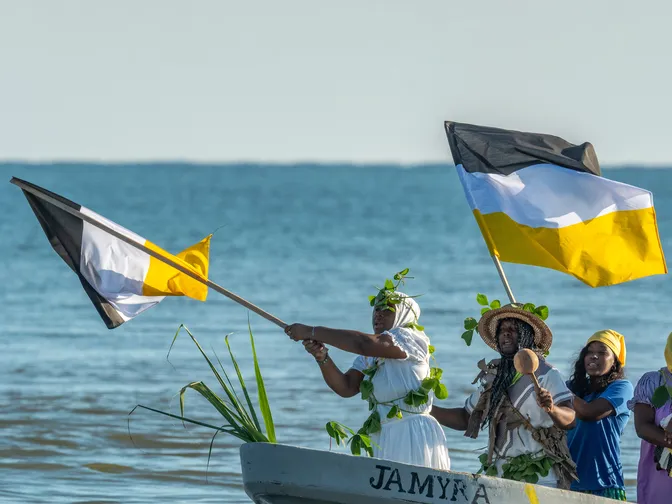
Between 1 million and 2 million people depend directly on this region’s marine resources for their livelihoods. This is a culturally diverse part of the world, which includes Miskito, Garifuna, Caribbean Creole, Q’eqchi’, Mopan, Yucatec Maya, and Mestizo people.
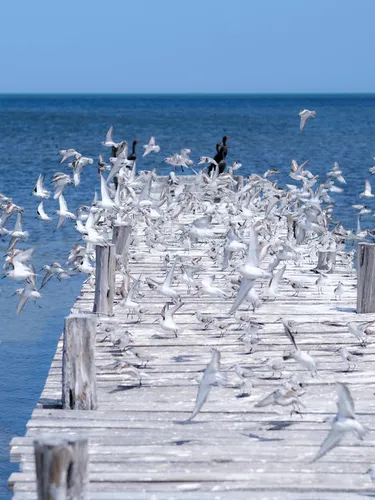
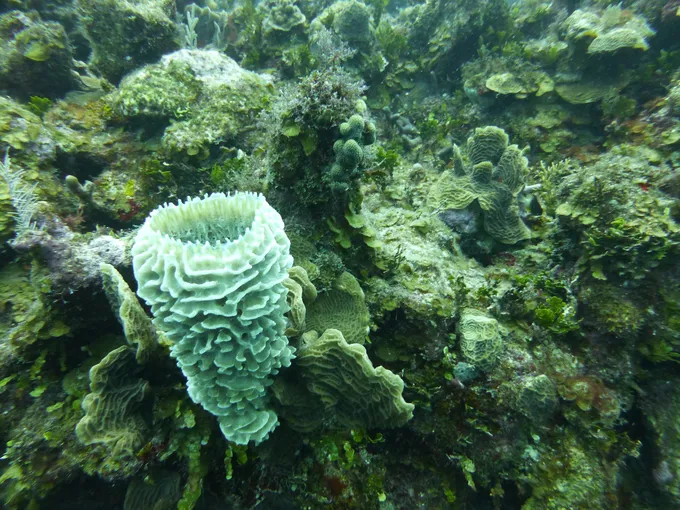
The Mesoamerican Reef region lies within the Caribbean Sea and touches the coasts of Mexico, Belize, Guatemala and Honduras. It contains the largest barrier reef in the Western Hemisphere, stretching nearly 700 miles from the northern tip of the Yucatan Peninsula down through the Honduran Bay Islands. Dazzling arrays of different types of coral form this underwater wilderness, and provide homes and food to hundreds of fish species, marine turtles, and sharks. Along the shores, mangroves provide habitat for fish and shorebirds as well as protect coastal areas from the damage associated with hurricanes and strong storms.
The scenic beauty of the region’s coastal areas makes it a prime tourist destination, which can put pressure on fragile reef environments. Further inland, rich soils attract large-scale agriculture, whose run-off can severely impact reefs. And increasing sea levels and water temperatures from climate change threaten corals and other marine animals such as turtles, as well as the communities that depend on the reef for their livelihoods and food security.

© Anthony B. Rath / WWF-Canon
Wildlife of the Mesoamerican Reef
Over 60 types of hard corals form a vast network of reef that in turn provides habitat for over 500 fish species, five species of marine turtles and attracts one of the world’s largest congregations of whale sharks.
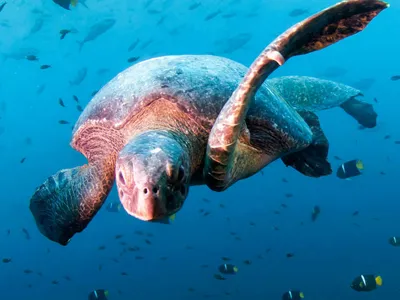
Sea turtles
Seven different species of sea (or marine) turtles grace our ocean waters, from the shallow seagrass beds of the Indian Ocean, to the colorful reefs of the Coral Triangle and the sandy beaches of the Eastern Pacific.
© Antonio Busiello / WWF-US
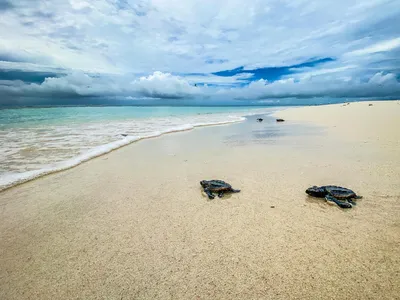
Loggerhead turtles
Loggerhead turtles are named for their large heads that support powerful jaw muscles, allowing them to crush hard-shelled prey like clams and sea urchins.
© Bastien Preuss / WWF France
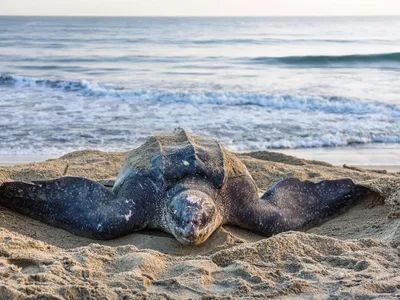
Leatherback turtles
Leatherback turtles are the largest sea turtle species and also one of the most migratory, crossing both the Atlantic and Pacific Oceans.
© naturepl.com / Konrad Wothe / WWF
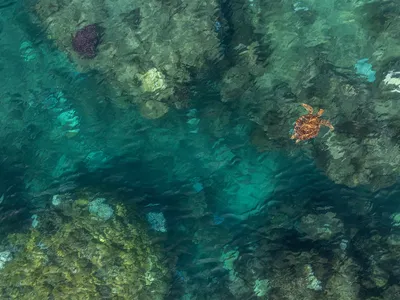
Green turtles
The green turtle is one of the largest sea turtles and the only herbivore among the different species.
© Tom Vierus / WWF Papua New Guinea
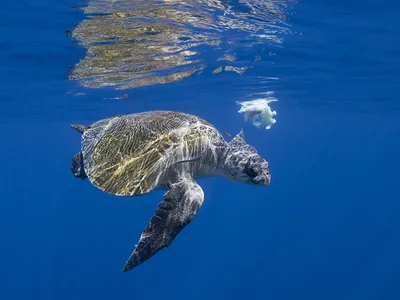
Olive Ridley turtles
The name for this sea turtle is tied to the color of its shell—an olive green hue. They are currently the most abundant of all sea turtles.
© naturepl.com / Doug Perrine / WWF
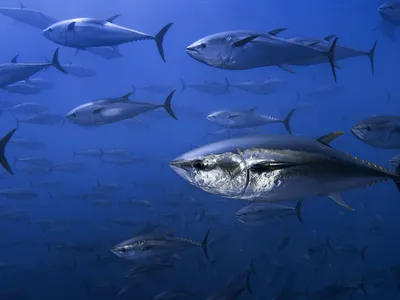
Tuna
Tuna are remarkable and impressive wild animals. The Atlantic bluefin can reach ten feet in length and weigh as much as 2,000 pounds (more than a horse).
© Brian J. Skerry / National Geographic Stock / WWF
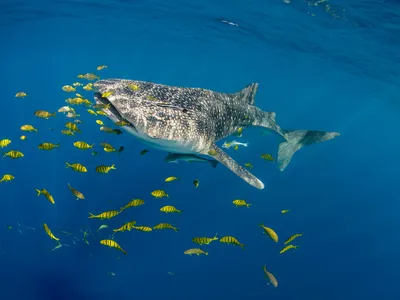
Whale shark
Whale sharks (Rhincodon typus) are the largest shark, and indeed largest of any fishes alive today.
© Pete Oxford / naturepl.com / WWF
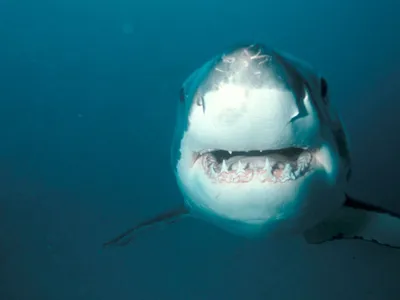
Sharks
With fossil records dating back 400 million years, sharks have outlived the dinosaurs and many other forms of life currently on Earth. There are more than 1,000 species of sharks and rays, with new species discovered every year.
© Wildlife Pictures/Jêrome Mallefet / WWF-Canon
People and communities of the Mesoamerican Reef
Between one and two million people depend directly on this region’s marine resources for their livelihoods. This is a culturally diverse part of the world, which includes Miskito, Garifuna, Caribbean Creole, Q’eqchi’, Mopan, Yucatec Maya and Mestizo people.

© Jason Houston / WWF-US
Helping farmers
WWF works with agricultural partners to create a weather monitoring system. Using state-of-the-art information and communications technologies, this system supports farmers in their day-to-day management decisions. Information collected will also inform decisions on how to best use water resources and how to prepare for potential disasters in the face of recurring drought and flood.
Preparing for climate change
WWF has studied the vulnerability of coastal communities in Belize and Honduras to climate change impacts because so many people depend on the reef for their livelihoods. Communities were encouraged to suggest their own solutions to the threats they face, which can be incorporated into planning to adapt to climate change. In many places this has included planting more mangroves to improve the ability of coastal areas to withstand storms. We also are part of a weather monitoring network that can help communities prepare for weather-related disasters.
Conserving fresh water
WWF is working with local communities and indigenous groups that live in the catchments upstream of the reef to sustainably manage their natural resources. By keeping critical landscapes in tact, they are ensuring clean, abundant freshwater can continue to flow through important economic areas of the country and safely into the reef’s water.
Mesoamerican Reef under threat
© Rhys Gerholdt/WWF
© Carlos Drews / WWF-Canon
Agricultural runoff
Commercial agriculture alters the landscape, disturbs soils and causes enormous amounts of pesticide and sediment runoff, all of which ultimately drain into the reef areas.
Climate change
Much of the coastal area surrounding the reef and nearby islands is low-lying and vulnerable to sea level rise from climate change. Eroding shorelines have already been documented, which can affect nesting and reproductive success of marine turtles. Rising water temperatures cause more episodes of coral bleaching, which is devastating to reefs and the wildlife that depend on them. And more frequent and intense storms are having a tremendous impact on communities.
Tourism and coastal development
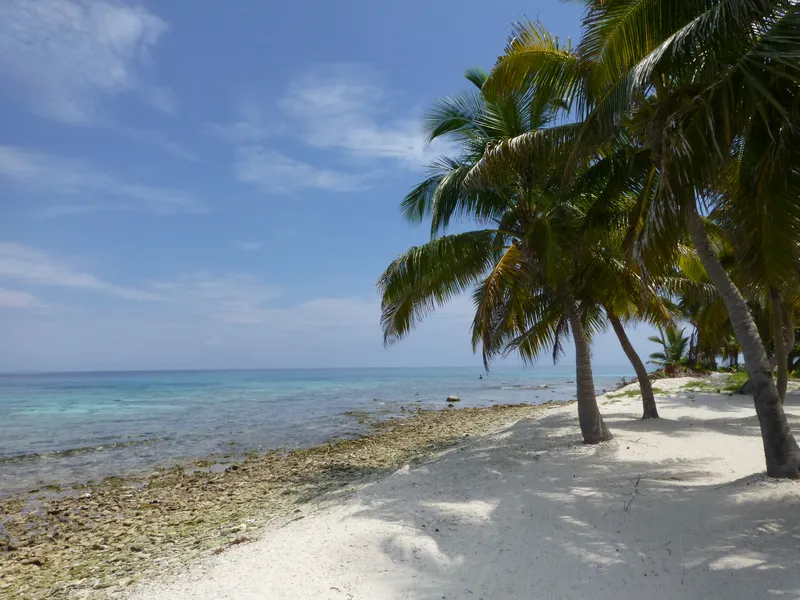
Tourism is the largest and fastest growing industry in the world, with major environmental, cultural, social and economic implications. Although tourism can be an opportunity for sustainable development, poorly planned development of hotels and resorts in coastal areas can result in habitat destruction, pollution, and other negative impacts on biodiversity. In the Mesoamerican Reef, tourism-related coastal development is rapidly expanding south from Cancun into Belize and Honduras.
Overfishing
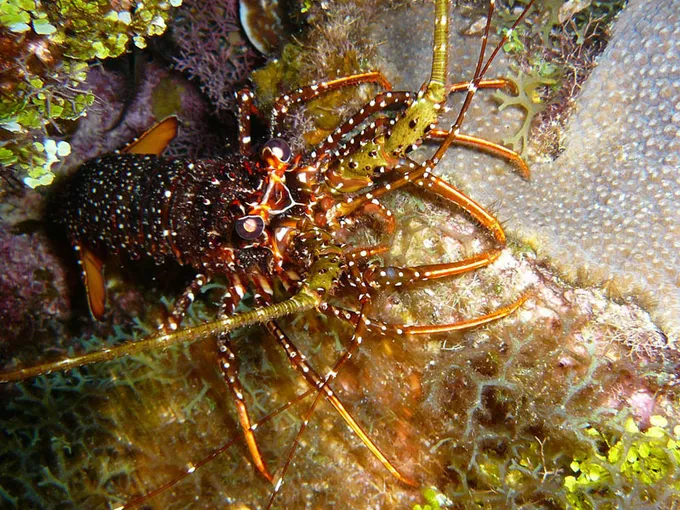
For over 60 years, spiny lobster has been the economic backbone of the region’s coastal fishing communities. However increased demand and years of constant harvesting have taken their toll, and lobster stocks are dwindling rapidly.
WWF is taking action to protect the Mesoamerican Reef
© Rhys Gerholdt/WWF
Adapting to climate change
WWF develops strategies that enable communities to adapt to climate change and prepare for climate-induced weather events, such as drought and stronger storms. We focus on the natural resilience of mangroves and work to ensure these areas remain protected or restored where needed. We monitor coral reef health and marine turtle nesting success as seawater temperatures and levels continue to rise. And we continue to strive to reduce human activities that impact reefs, so that corals can maintain their resilience in the face of climate change.
© Robert de Jongh / WWF-Canon
Building resilient corals
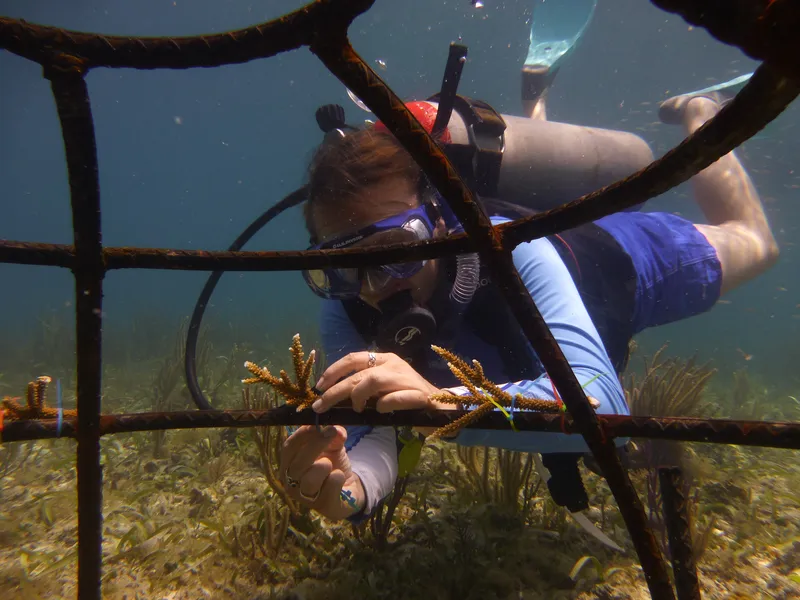
WWF works with local partners and scientists to see whether damaged reef areas can be restored with species of corals that seem more able to withstand the impacts of disease and warmer water temperatures. These corals are being raised in “nursery” reef areas and transplanted onto reefs in marine protected areas (MPAs). Thousands of corals have been successfully planted and are being monitored to test their resilience and how they impact their new reef home. Such nurseries could one day be used to partially restore severely damaged portions of the reef.
© Rhys Gerholdt/WWF
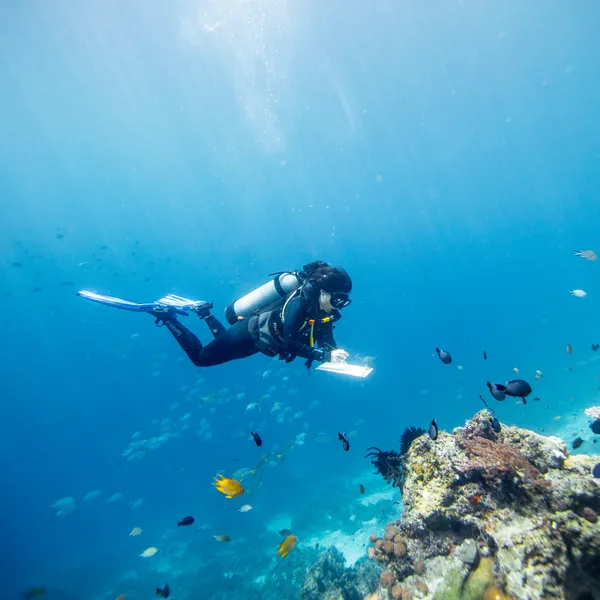
Monitoring coral health
WWF has been working for years with The Nature Conservancy and other marine experts on monitoring coral reef health and developed an ‘early warning system’ to detect changes and signs of coral bleaching. With our partners, we have trained dive guides on how to identify signs of bleaching and report such data to a coral reef monitoring network.
© naturepl.com / Doug Perrine / WWF-Canon
Protecting marine turtles
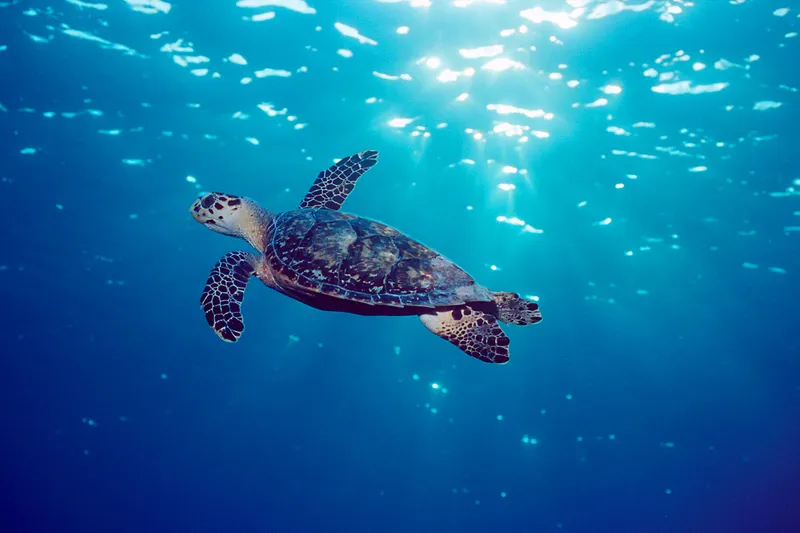
WWF has worked with partners to create a turtle monitoring program in Belize to understand how climate change and human activities may be impacting marine turtles. Tour operators and divers have been trained to collect basic data on turtles, such as species and nest locations, and report to a national turtle watch program. Such information will enable scientists to measure impacts of climate change over time. We also work with local resorts and waterfront property owners to improve nesting beach conditions for turtles and help with climate change adaptation.
© JAIME ROJO
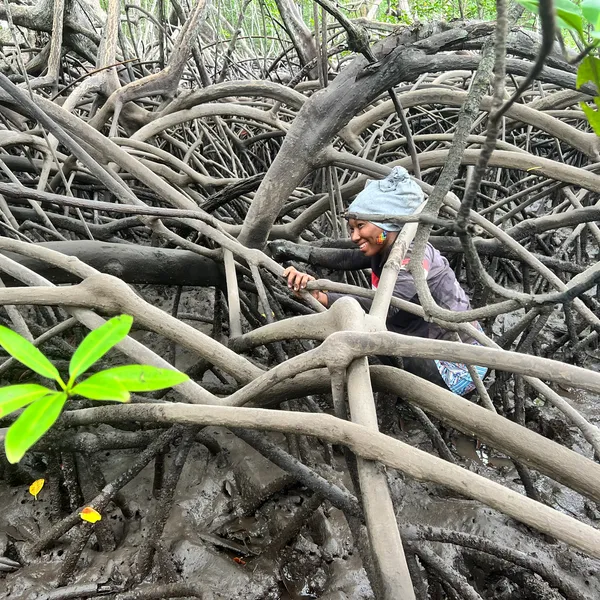
Restoring mangroves
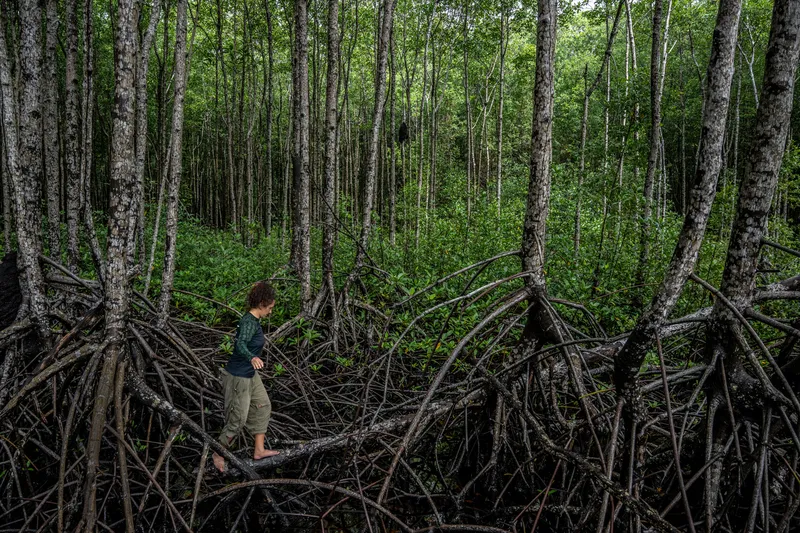
Mangroves act as nursery areas for commercial fish species, protect coasts from damaging storms, and provide shade and stabilize beaches where marine turtles nest. WWF works with local partners to produce illustrated guides on mangrove restoration, train local community and school children how to plant mangroves, and work with property developers on how to minimize impacts on mangroves. WWF has also supported an annual competition in Belize for developers, where mangrove-friendly construction projects are rewarded.
© WWF-US / Gina DeFerrari
Building sustainable fisheries
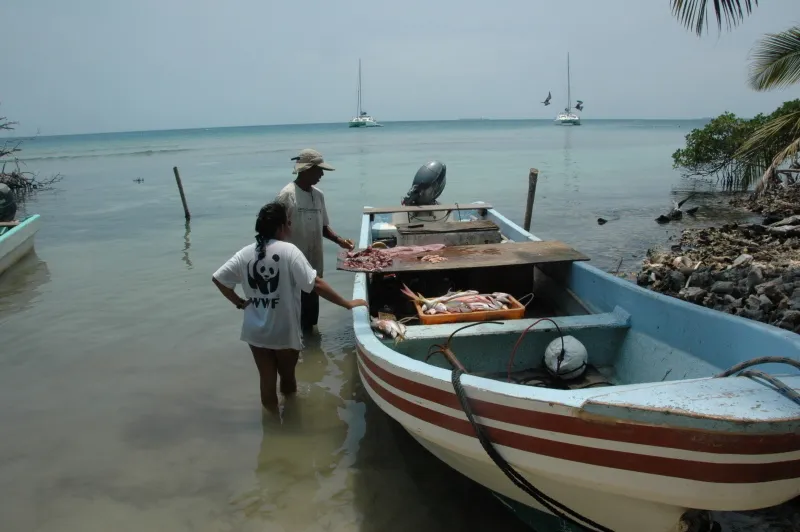
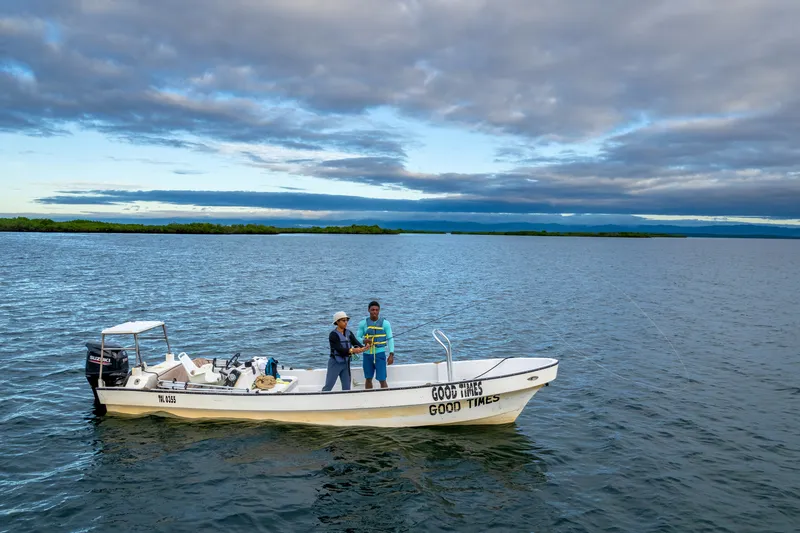
WWF aims to ensure the sustainability of the spiny lobster fishery and conservation of its habitat by promoting better management practices and securing responsible buyers. WWF has built solid relationships with the fishing industry and the Honduran and Nicaraguan governments, resulting in the testing and adoption of a “juvenile-friendly” lobster trap, legislation banning unsustainable fishing practices, and a region-wide ban on lobster fishing during the reproductive season. In Mexico, we have helped one small-scale lobster fishery achieve Marine Stewardship Council (MSC) certification, and we’d like to see the industrial lobster fisheries in the region achieve MSC certification as well.
© JAIME ROJO
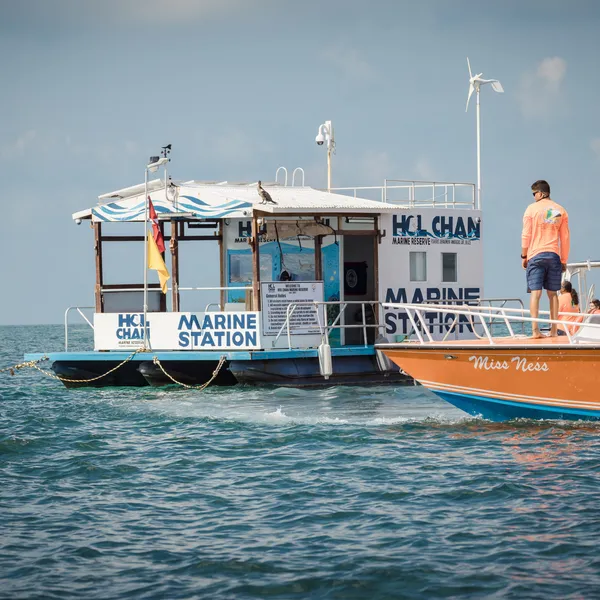
Improving coastal development
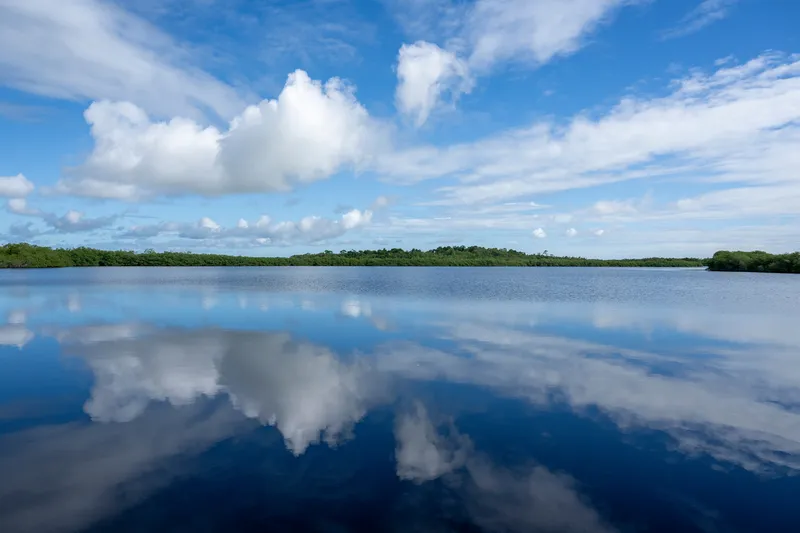
Coastal management decisions are extremely complex and involve many tradeoffs, such as the loss of marine habitat due to revenue-generating development projects. WWF works with the government of Belize to ensure that such decisions minimize impacts on reefs, mangroves and fisheries. In partnership with the Natural Capital Project, we have helped gather critical information about the benefits people receive from the Mesoamerican Reef as well as the impacts human activities have on it. The data is being used to create a new coastal development plan for Belize for sustainable use of its resources.
© JAIME ROJO
Safeguarding watersheds
WWF works to maintain the health of freshwater sources and reduce erosion of soils into coastal areas in the region. We created an initiative where farmers help protect the water-producing forests in exchange for access to places to grow vegetables for export and for themselves. This protects critical habitats, helps assure the flow of freshwater and strengthens livelihoods in a drought -prone area. This model was successful and is being replicated in Honduras with support from the Coca-Cola Company.
© Antonio Busiello / WWF-US
Protecting marine areas
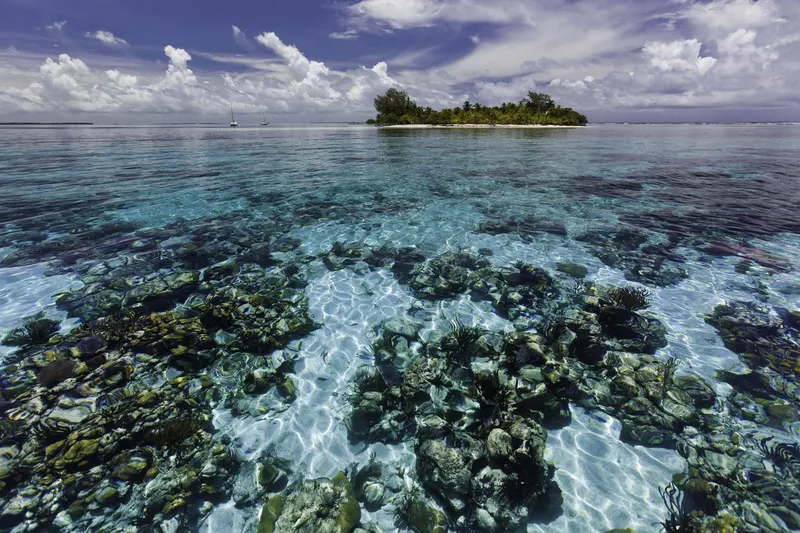
WWF works to protect important coral reef areas in the Mesoamerican Reef and ensure that they are well managed. We focus on a network of marine sites, including places such as the Bay Islands of Honduras, where an enormous living stand of staghorn coral is found. These corals sit between two cruise ship ports, but despite being in a high human traffic areaand exposure to warmer water temperatures, the stand is thriving. WWF recognized the significance of this stand of coral and the need for further research into its resilience. The stand is now protected by the Honduran government as a result of our efforts and those of regional partners.
© Antonio Busiello / WWF-US
Reducing impacts from tourism
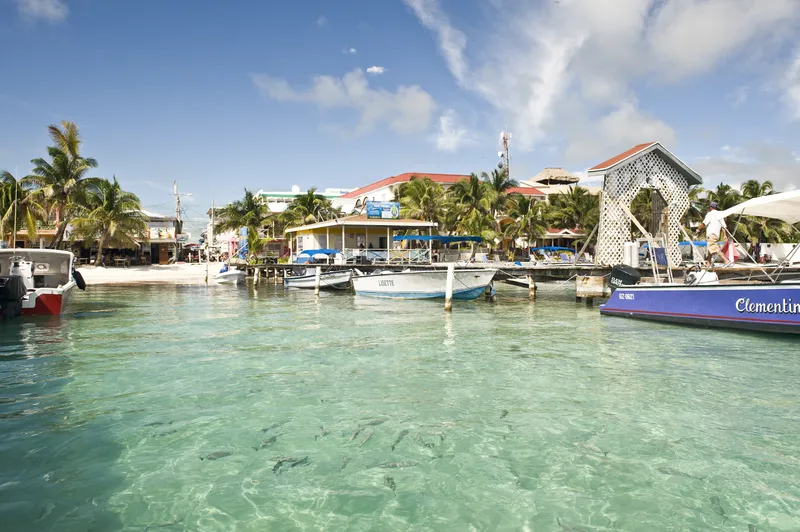
WWF supports the development of small scale, community-based tourism, which has less impact on the marine environment and improves livelihoods. Alternative income opportunities include helping local fishermen transition to fishing tour guides. In Mexico, we work at both the state and national level to ensure adoption of sustainable tourism principles. Our state level work focuses on Quintana Roo, home to Cancun’s mega resort developments.
Reducing runoff
WWF has been a pioneer in transforming the production of agricultural commodities (shrimp, sugar, banana, palm oil, melon and citrus) to reduce the amount of sediment and chemical pollution that reaches the Mesoamerican Reef’s habitats. We work with producers to minimize their use of chemicals and water and strive to reduce soil erosion and runoff. WWF has already helped sugar producers move away from using pesticides by providing technical assistance on biologically-based methods of pest control. We have also successfully replaced fertilizers with compost in palm oil plantations in Honduras. We also work in the industrial sector to reduce their water consumption and the wastewater they generate. For example, through our global partnership, we have successfully engaged all of the Coca-Cola Company’s bottlers in the region in our water saving efforts.
Resilient Bold Belize
As part of the Blue and Green Islands GEF8 Integrated program, this innovative child project aims to secure the long-term conservation and resilience of Belize´s marine and coastal ecosystems, promoting nature-based livelihoods and the wellbeing of Belizeans.
© JAIME ROJO
CARE-WWF Alliance
The CARE-WWF Alliance was formed in 2008 to tackle complex global challenges that require a diverse range of experience and expertise. The Alliance works at the intersection of development and conservation, strengthening the power and determination of women in areas disproportionately impacted by climate change.