© Edward Parker / WWF-Canon
Southern Chile
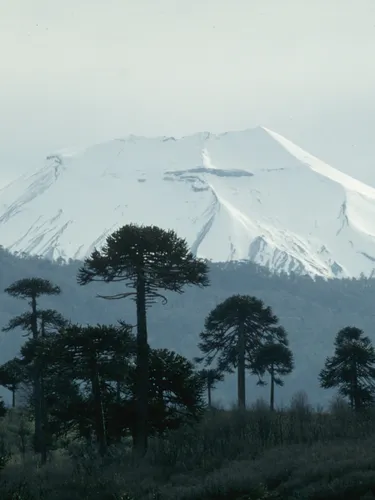
Flanked by snowcapped volcanoes and Andean mountain peaks, the Southern Chile region is a diverse and remarkable place. The area encompasses parts of Chile and Argentina, as well as coastal waters off the coast of Chile.
The area’s Valdivian forests—South America’s only temperate rain forest—contain some of the world’s largest and oldest trees. Only 40 percent of the estimated 35 million acres of original forest remains intact today.
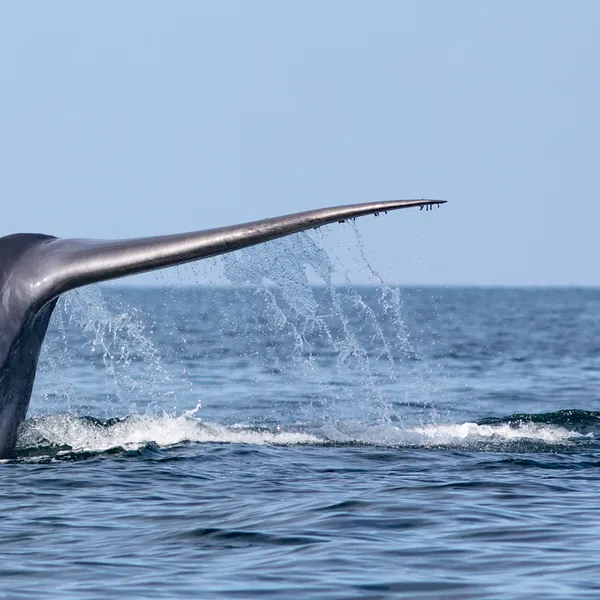
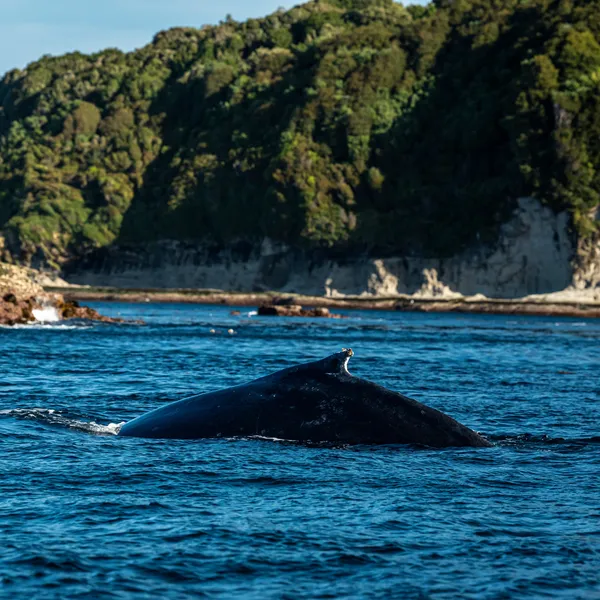
The Gulf of Corcovado is the fertile feeding and nursing grounds for blue whales—the world’s largest mammal. The waters are also home to numerous other marine species, including humpback, sei and sperm whales, sea lions, seals and several dolphin species.
Wildlife of Southern Chile

© Chris Martin Bahr
The isolated "island" quality of Southern Chile is reflected in the peculiarity of the species found here. About 50 percent of the flora is endemic—found nowhere else on Earth.
The area’s inhabitants include the endangered pudú also known as the world’s smallest deer, the magellanic woodpecker, and the opossum-like mountain monkey, considered to be a “living fossil.” Off the coast in the Gulf of Corcovado, there are 31 diverse marine mammal species and a dazzling abundance of sea birds. The region’s alerce tree can live for more than 3,000 years, making it the second longest-living organism on Earth.
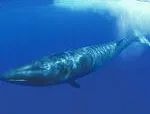
Sei whales
The sei whale is one of the fastest whales, reaching speeds of up to 30 miles per hour.
© WWF
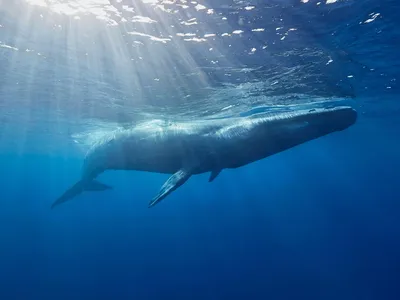
Blue whales
The blue whale is the largest animal on the planet, weighing as much as 200 tons (approximately 33 elephants).
© Shutterstock / Ajit S N / WWF
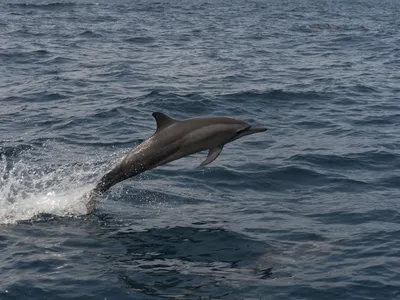
Dolphins and porpoises
Dolphins and porpoises delight us with their playful antics and warm our hearts with their friendly faces.
© Jürgen Freund / WWF-Canon
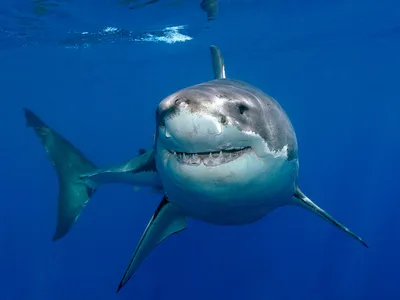
Great white sharks
The great white shark is the world's largest known predatory fish. It has 300 teeth, yet does not chew its food.
© naturepl.com / Mark Carwardine / WWF
People and communities of Southern Chile

© Edward Parker / WWF Canon
Southern Chile is home to more than five million people, including indigenous groups such as the Pehuenche and Huilliche, who have lived there for thousands of years. Today, the lifestyles and local economies of many communities in the region rely heavily on the area’s native forests and marine life.
In 2007, after nearly a 20-year struggle for land rights, the Pehuenche community of the Andes range was rewarded with a grant of title to 22,000 acres of land in southern Chile. Also in 2007, the Huiliche community of Mapu Lahual received a prestigious Seal Award from Chilean president for their contribution to local development and conservation.
Southern Chile under threat

© Jo Benn / WWF-Canon
Negative impacts on the marine environment
The expansion of industrial fishing and aquaculture activities in the Gulf of Corcovado are major threats. Over-exploitation, increased maritime traffic, trawling, and incidental bycatch all negatively impact the marine environment. Salmon farming and cultured mussel production, significant industries for Southern Chile, are negatively impacting fragile marine life. Additionally, climate change is already accelerating glacial melting and break-up in the region.
Unsustainable logging and conversion of habitat
Globalization and its effects are taking an extreme toll on the region's health. Weak regulatory and government enforcement capacity mean there is little defense against aggressive commercial development in the region. Unsustainable logging and conversion of habitat to plantations of pine and eucalyptus—used to create wood chips for export—have dramatically reduced native forest cover.
WWF is taking action to protect Southern Chile

© Edward Parker / WWF-Canon
Creating a network of coastal and marine protected areas
WWF works with a range of partners to create a marine protected area the size of Costa Rica in the Gulf of Corcovado.
Protecting native coastal forests and local communities
WWF is helping to create a network of public and private protected areas and encouraging sustainable use of native forests.
Transforming the forest industry
WWF urges timber companies to establish conservation areas within forests that meet certification standards of the Forest Stewardship Council.
Reshaping the salmon industry
WWF collaborates with salmon farmers to put in place environmental and social standards that minimize the impacts of salmon farming and support economic growth opportunities for local people.