© Michel Gunther / WWF
Yangtze
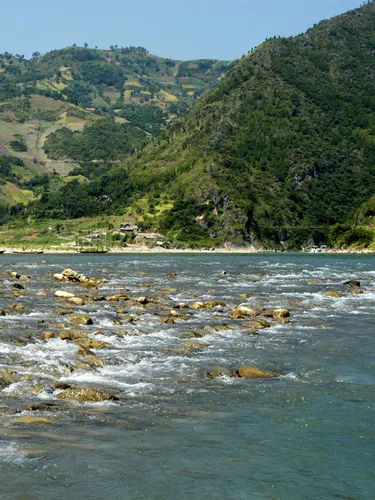
China’s Yangtze River is the world’s third longest river. It runs for 3,900 miles from the Tibetan Plateau to the estuary of the East China Sea near Shanghai.
The Yangtze River Basin has some of the highest levels of biodiversity in the world—from towering mountains and dense forests to fertile wetlands and bustling waterways created by seasonal flooding. The area covers nearly 448 million acres, an area more than four times the size of California.
The Yangtze’s rich and complex terrains and climate have created a wide range of natural ecosystems that provide vital habitats for such charismatic species as the snow leopard, giant panda, and Yangtze finless porpoise. Historically, it has also sustained numerous local communities that rely on the river for drinking water, farming, fishing, and transportation. But unprecedented economic growth, combined with the expansion of industries and rapid urbanization in the basin, is putting a severe strain on the river.
Wildlife of the Yangtze

© Jenny Jonak / WWF-US
Only in the forests of the upper Yangtze can one find the beloved giant panda, which has been WWF‘s symbol since the organization was formed in 1961. The Yangtze finless porpoise, the only creature of this type in the world, lives solely in the middle and lower reaches of the Yangtze River, with a wild population smaller than that of the giant panda.
The Yangtze region is home to a stunning array of other wildlife, including the elusive snow leopard and beautiful pheasants in all colors of the rainbow. The region is known to support 378 species of fish, more than 280 species of mammals, 145 species of amphibians, and 166 species of reptiles. The Central Yangtze River and lakes are also known to be important wintering and stopover sites for large numbers of migratory birds, including an estimated 95 percent of the world's Siberian crane population.
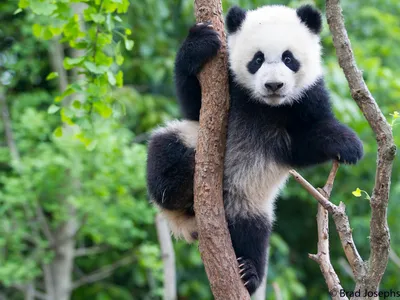
Giant pandas
Despite their exalted status and relative lack of natural predators, pandas are still at risk. Severe threats from humans have left just over 1,800 pandas in the wild.
© Brad Josephs
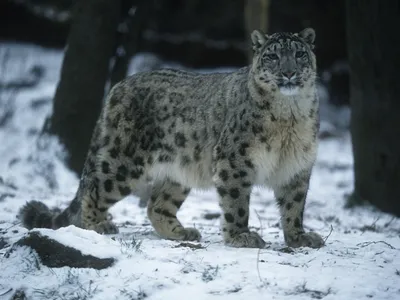
Snow leopards
Snow leopards have evolved to live in some of the harshest conditions on Earth. Their thick white-gray coat, spotted with large black rosettes, blends in perfectly with Asia’s steep, rocky, high mountains.
© naturepl.com / Reinhard / ARCO / WWF-Canon
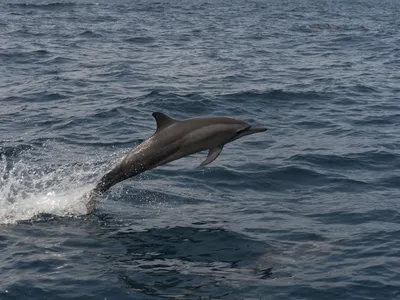
Dolphins and porpoises
Dolphins and porpoises delight us with their playful antics and warm our hearts with their friendly faces.
© Jürgen Freund / WWF-Canon
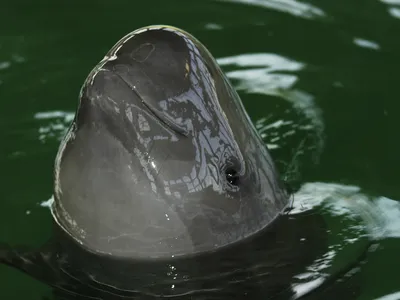
Yangtze finless porpoises
The Yangtze River, the longest river in Asia, used to be one of the only two rivers in the world that were home to two different species of dolphin—the Yangtze finless porpoise and the Baiji dolphin.
© Michel Gunther / WWF-Canon
People and communities of the Yangtze

© Yifei ZHANG / WWF-Canon
Today, the Yangtze region is home to more than 400 million people, or nearly one-third of China’s population. Some of China’s largest cities—Chengdu, Chongqing, Wuhan, Nanjing, and Shanghai—are all located in the plains that adjoin the banks of the Yangtze River and its tributaries in the basin.
Stretching over 19 provinces (including autonomous regions and municipalities), the Yangtze River Basin is one of the most culturally diverse areas of the country. Over half of China’s 55 minority ethnic groups, such as the Tibetan, Zhuang, and Qiang people, make their homes in the region. They have long learned to derive a sustainable livelihood from the natural resources of the forest, river, and wetlands.
The Yangtze under threat

© Michel Gunther / WWF-Canon
Climate change
The impacts of climate change are creating great uncertainties for the future of this already vulnerable region.
Agriculture
Deforestation and agricultural encroachment have threatened the Yangtze for many years. Almost all the natural habitats, including nature reserves, face pressure from local and domestic markets for animals and plants used for food and medicine.
Water infrastructure
Poorly planned hydrological engineering and other construction projects that interrupt the natural water flow have degraded and destroyed ecosystems and driven species out of their natural homes.
Population pressure and economic development
The Yangtze River Basin is faced with enormous environmental challenges arising from population pressure and rapid economic development. In the last 50 years, the population has more than doubled, with the heaviest concentrations along the river. The economic boom led by rapidly expanding industry, sprawling cities, infrastructure development, and mineral extraction is having a major impact on the biodiversity and ecosystems in the region.
WWF is taking action to protect the Yangtze
WWF was the first environmental group invited by the government to work in China, and we have a bold conservation vision to conserve one of the world’s most important rivers. WWF works to conserve representative species and the most critical ecosystems. We help reduce the impact of human activities by transforming the most significant market forces, institutions, policies, and conservation practices.

© Yifei ZHANG / WWF-Canon
Improving management of water resources
WWF works with Chinese partners to create and implement plans that help to restore wetlands and environmental flows, safeguard the health of freshwater ecosystems, assist cities in implementing urban nature-based solutions, engage businesses and industrial parks in the basin in sustainable production and water stewardship, and improve the overall Yangtze Basin governance.
Enhancing nature’s resilience to climate change
WWF develops and implements a nature-based climate change adaptation strategy for the Yangtze River Basin so that the key species, representative ecosystems, and ecosystem services will become more climate-resilient.
Empowering communities as drivers of change
WWF engages local stakeholders in managing and utilizing natural resources sustainably by creating solutions for nature reserves and local communities. WWF’s alternative livelihood projects help local communities to generate alternative income sources, which allow them to depend less on the natural forests, wetlands, and grasslands.
Protecting species and habitats
WWF identifies and restores habitats for endangered species and works with the Chinese government on creating and expanding protected area networks for the giant panda, snow leopards, and finless porpoises.