© Martin Harvey / WWF
African elephants
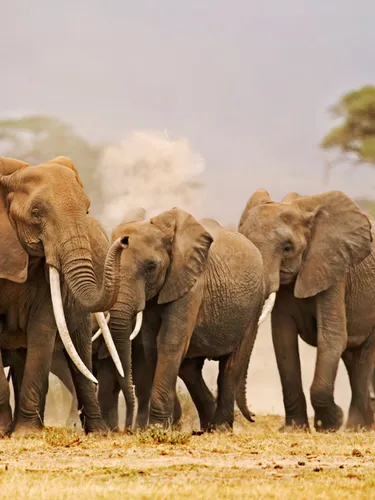
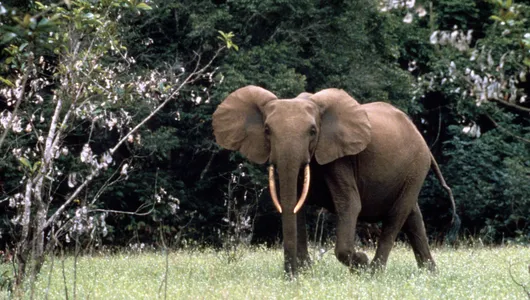
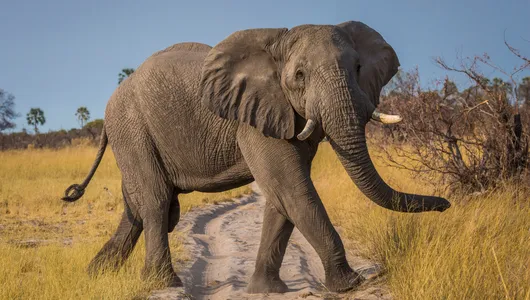
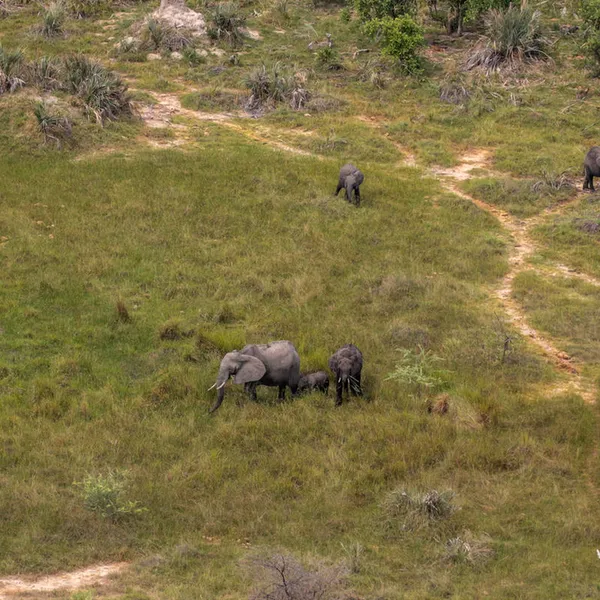
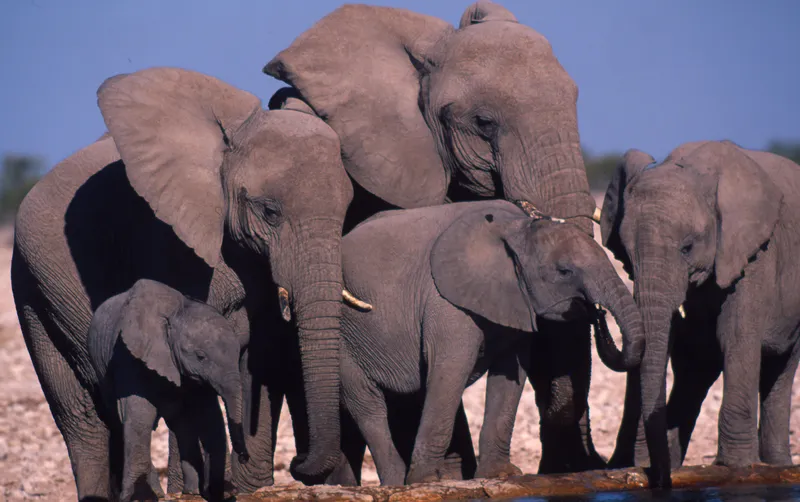
African elephants are the largest animals walking the Earth. Their herds wander through 37 countries in Africa. They are easily recognized by their trunk that is used for communication and handling objects. And their large ears allow them to radiate excess heat. Upper incisor teeth develop into tusks in African elephants and grow throughout their lifetime. There are two species of African elephants—the savanna (or bush) elephant and the forest elephant. Savanna elephants are larger than forest elephants, and their tusks curve outwards. In addition to being smaller, forest elephants are darker and their tusks are straighter and point downward. There are also differences in the size and shape of the skull and skeleton between the two species.
Forest elephants are uniquely adapted to the dense forest habitat of the Congo Basin, but are in sharp decline due to poaching for the international ivory trade and habitat loss and fragmentation. It is estimated that probably one-quarter to one-third of the total African elephant population is made up of forest elephants.
African elephant facts
- Population
- About 415,000 in the wild
- Scientific name
- Loxodonta africana
- Weight
- 6 tons
- Height
- Shoulder height is 11 feet
- Length
- 19–24 feet
- Habitats
- Tropical and subtropical moist broadleaf forests, flooded grasslands and savannas, miombo woodlands, Acacia savannas
The african elephant family
News and stories
Why they matter
© Martin Harvey / WWF-Canon
The presence of African elephants helps to maintain suitable habitats for many other species. In central African forests, up to 30 percent of tree species may require elephants to help with dispersal and germination. They play a pivotal role in shaping their habitat because of the enormous impact they have on factors ranging from fresh water to forest cover.
Threats
© WWF-Canon / Folke Wulf
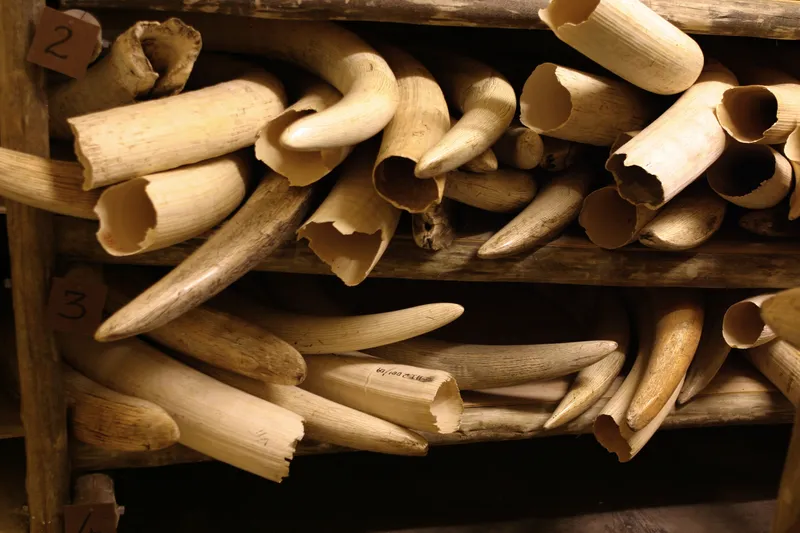
Numbering three to five million in the last century, African elephant populations were severely reduced to its current levels because of hunting. In the 1980s, an estimated 100,000 elephants were killed each year and up to 80% of herds were lost in some regions. In recent years, growing demand for ivory, particularly from Asia, has led to a surge in poaching. Populations of elephants—especially in southern and eastern Africa—that once showed promising signs of recovery could be at risk due to the recent surge in poaching for the illegal ivory trade.
The illegal demand for ivory is the biggest driver of elephant poaching. Despite a global CITES ban on international sales of ivory since 1990, tens of thousands of elephants are killed to meet a growing demand for ivory products in the Far East. Asia stands behind a steadily increasing trend in illegal ivory and there are still thriving domestic ivory markets in Africa. Limited resources combined with remote and inaccessible elephant habitats make it difficult for governments to monitor and protect elephant herds. The impacts of war and over-exploitation of natural resources often lead to increased poaching as elephants are also regarded as source of wild meat. 2011 saw the highest volume of illegal ivory seized since global records began in 1989.
Habitat Loss and Fragmentation
African elephants have less room to roam than ever before as expanding human populations convert land for agriculture, settlements and developments. The elephants’ range shrank from three million square miles in 1979 to just over one million square miles in 2007. Commercial logging, plantations for biofuels and extractive industries like logging and mining not only destroy habitat but also open access to remote elephant forests for poachers. Poverty, armed conflict and the displacement of people by civil conflict also add to habitat loss and fragmentation. All of these push elephants into smaller islands of protected areas and hinder elephants’ freedom to roam.
Human-Elephant Conflict
As habitats contract and human populations expand, people and elephants are increasingly coming into contact with each other. Where farms border elephant habitat or cross elephant migration corridors, damage to crops and villages can become commonplace. This often leads to conflicts that elephants invariably lose. But loss of life can occur on both sides, as people may be trampled while trying to protect their livelihoods, and game guards often shoot "problem" elephants.
How WWF is taking action
© WWF-Canon / James Morgan
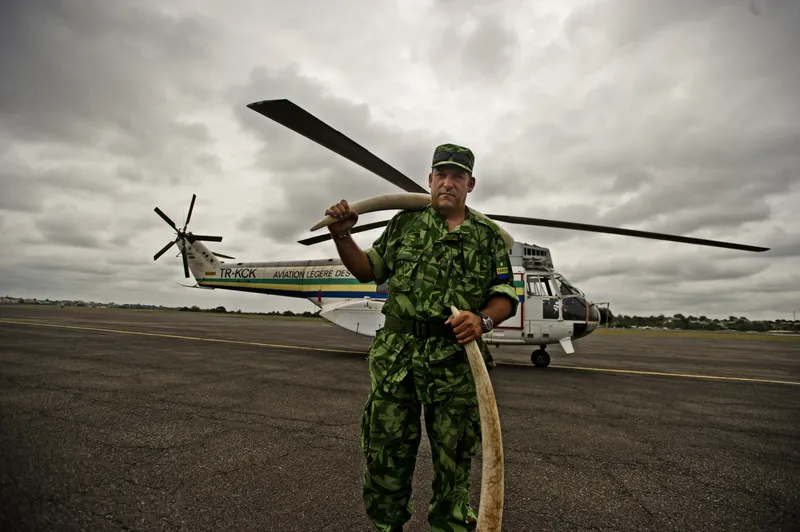
Building on 50 years of experience, WWF addresses illegal hunting for meat and ivory, habitat loss, and human-elephant conflict to protect African elephant populations.
Fighting Illegal Wildlife Trade
To reduce the illegal trade in elephant products, WWF supports antipoaching efforts within and around protected areas. We also work to establish new protected areas to provide safe havens for elephants. We work with TRAFFIC, the world’s largest wildlife trade monitoring network, to assess trends in the illegal trade in elephant products. This includes implementing the CITES Elephant Trade Information System (ETIS) which monitors and tracks elephant ivory seizures.
Protecting and Managing Habitats
To reduce the illegal killing of elephants through improved protection and management, WWF equips and trains law enforcement teams so they can conduct regular and effective antipoaching patrols. We help establish new protected areas within elephant ranges and improve management effectiveness within existing protected areas.
WWF helps governments produce and adopt elephant conservation strategies, allowing them to survey, and manage elephant populations and to implement the CITES system for Monitoring the Illegal Killing of Elephants (MIKE). We facilitate training in elephant conservation and management techniques and help update and enforce legislation to protect elephants. WWF has helped train park guards, villagers and communities in elephant conservation and management. In Quirimbas National Park, Mozambique, WWF worked with the local government and community to establish a park management system that would protect wildlife and livelihoods. WWF also develops and supports community-based wildlife management plans that contribute to elephant conservation while providing benefits to local people.
Managing Conflict
To increase public support for elephant conservation by reducing conflict, WWF trains wildlife managers and local communities to use modern methods and tools to manage human-elephant conflict. In places like the Selous Game Reserve in Tanzania, WWF monitors interactions between humans and elephants and works with local communities to develop sustainable practices of managing conflict with elephants.
Experts
How you can help
© George Walsh
Strengthen the Endangered Species Act
More than 99% of the species listed under the Endangered Species Act have avoided extinction due to the law’s protections. Today, those protections are under threat — at the exact moment wildlife needs them most.