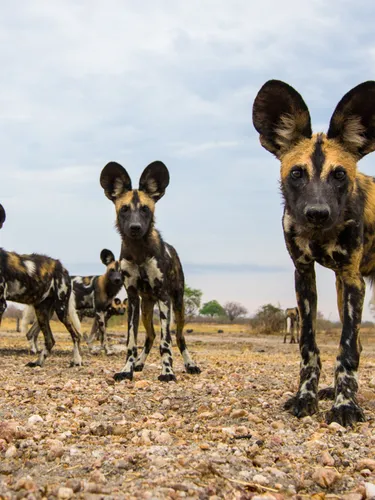
© William Burrard-Lucas
African wild dogs
The wild dog is one of the world’s most endangered mammals. The largest populations remain in southern Africa and the southern part of East Africa (especially Tanzania and northern Mozambique).
Wild dogs are social and gather in packs of around ten individuals, but some packs number more than 40. They are opportunistic predators that hunt medium-sized ruminants, such as gazelles. In a sprint, African wild dogs can reach speeds of more than 44 miles per hour.
African wild dog facts
- Status Learn more about endangered status categories and explanation
- Endangered
- Population
- 1,409
- Scientific name
- Lycaon pictus
- Weight
- 40–70 pounds
- Height
- 30 inches
- Length
- 30–56 inches
- Habitats
- Deserts, forests, grasslands
Threats to African wild dogs

© Martin Harvey / WWF-Canon
Major threats to the survival of wild dogs include accidental and targeted killings by humans, viral diseases like rabies and distemper, habitat loss, and competition with larger predators like lions. Conflicts occur when wild dogs come into contact with people whose livelihoods rest largely on livestock and agriculture. Problems arise when expanding human activities decrease the habitat for available prey for wild dogs.
How WWF is taking action to protect African wild dogs

© Christiaan van der Hoeven / WWF-Netherlands
Creation of protected areas and protection of major wildlife corridors benefit species such as the African wild dog. In southern Tanzania and northern Mozambique, WWF works to protect important wildlife corridors between major game reserves. We also work to reduce conflict with humans.
How you can help
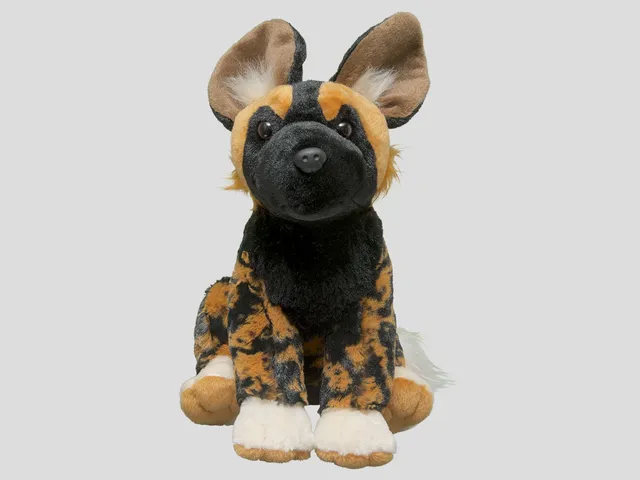
© WWF-US / WWFGifts
Adopt an African wild dog
Support WWF’s global efforts to protect wild animals and their habitats and choose from kits with plush and more.