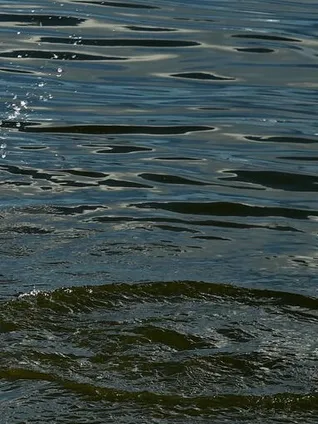
© Adriano Gambarini / WWF-Brazil
Amazon River dolphins
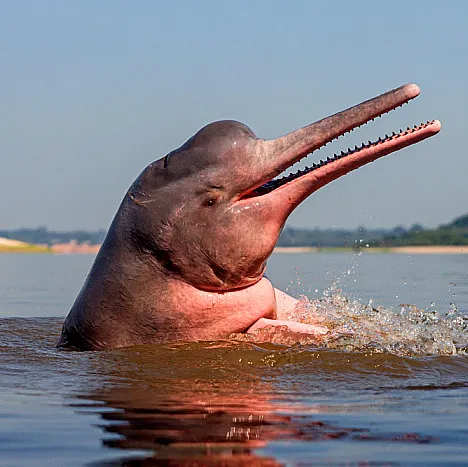
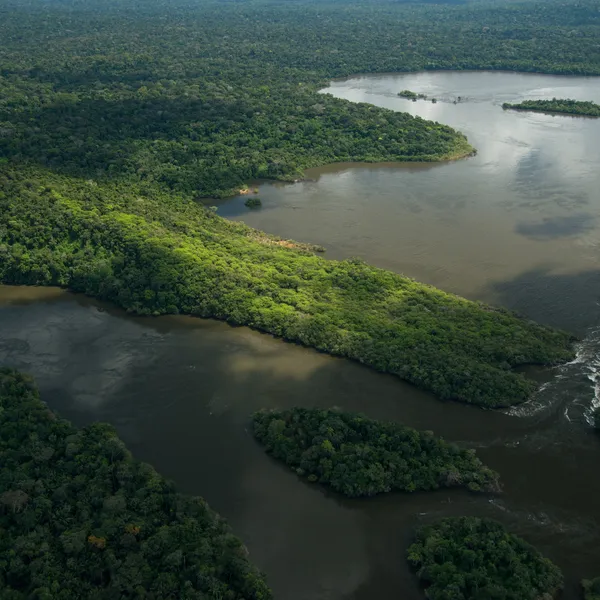
The Amazon river dolphin, also known as the pink river dolphin or boto, lives only in freshwater. It is found throughout much of the Amazon and Orinoco river basins in Bolivia, Brazil, Colombia, Ecuador, Guyana, Peru, and Venezuela.
It is a relatively abundant freshwater cetacean with an estimated population in the tens of thousands. However, it is classified as vulnerable in certain areas due to dams that fragment and threaten certain populations, and from other threats such as contamination of rivers and lakes.
Amazon river dolphin facts
- Status Learn more about endangered status categories and explanation
- Endangered
- Scientific name
- Inia geoffrensis
- Weight
- Up to 352 pounds
- Length
- Up to 9.2 feet
- Habitats
- Rivers, lakes
News and stories
Why they matter
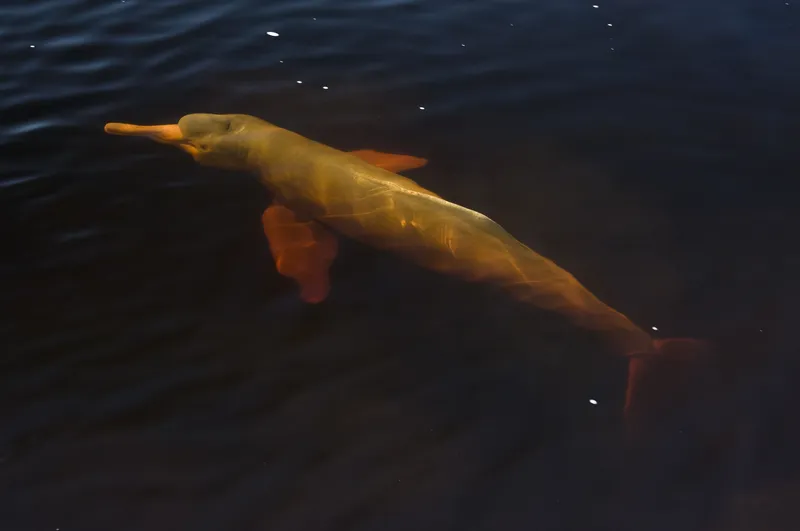
© naturepl.com / Luiz Claudio Marigo / WWF-Canon
River dolphins are rapidly disappearing and so are their natural river habitats. Understanding the threats that impact them and protecting them ensures the preservation of their unique habitat.
Threats
© Edward Parker / WWF-Canon
Pollution
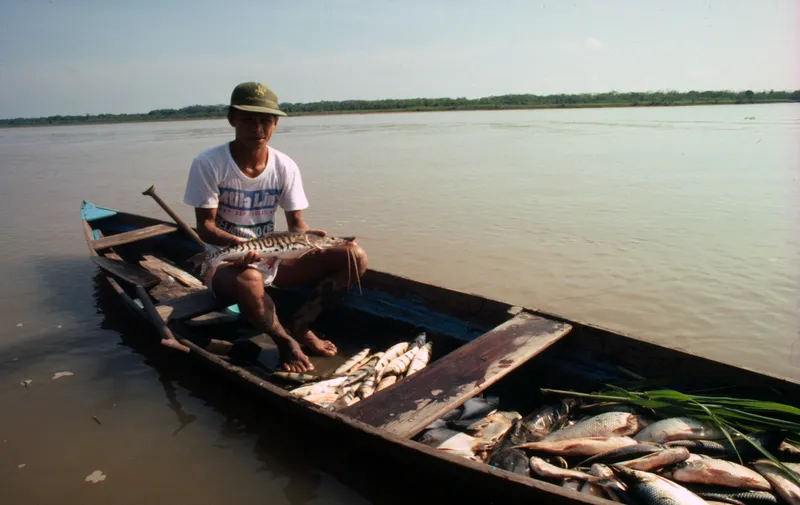
Mercury pollution from small-scale gold mining activities are one of the main threats to the Bolivian river dolphin, a subspecies of the Amazon river dolphin. The mercury reaches dolphins through the food chain. They mainly eat catfish, which are bottom feeders greatly affected by metals like mercury in the water.
Human Impact
The Amazon river dolphin is seen as a competitor for diminished fish stocks and is often killed or injured when people try to chase them away. In the Brazilian and Colombian Amazon, river dolphins are often deliberately killed for use as bait in the “mota” catfish fishery, which gathers fish that demand high prices in the city.
How WWF is taking action

© WWF-US / Deborah Gainer
WWF works to protect river dolphin habitat in the Amazon region and continues to support river dolphin surveys to help determine their status and vulnerability. WWF also supports research about the impact of dams on the size and dispersal of dolphin populations.
How you can help
© WWF-US / WWFGifts
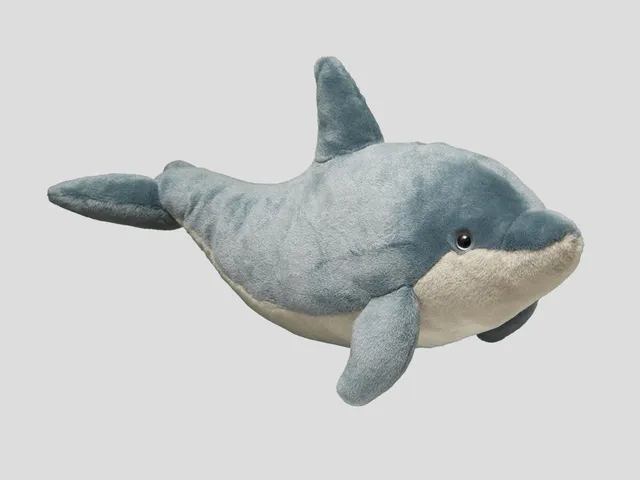
Adopt a dolphin
Support WWF’s global efforts to protect wild animals and their habitats and choose from kits with plush and more.