
© Shutterstock / Andrew Astbury
Arctic foxes
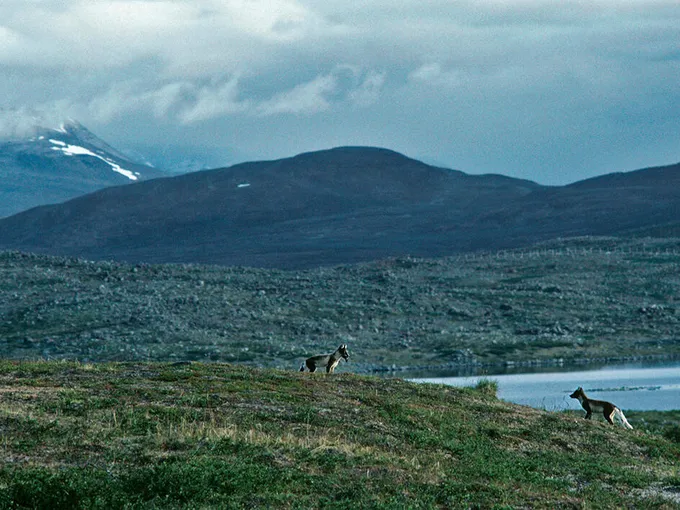
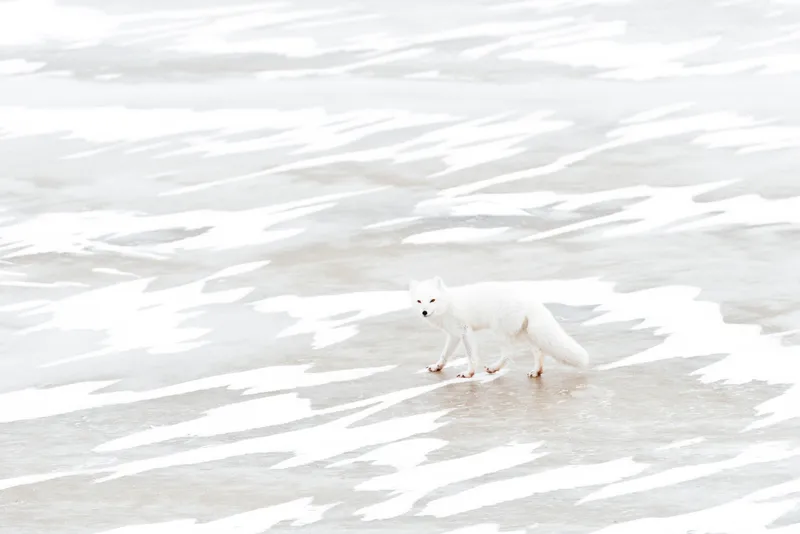
The Arctic fox is primarily a carnivore that lives inland, away from the coasts. They are dependent on the presence of smaller animals (most often lemmings) to survive. Arctic foxes also hunt for sea birds, fish, and other marine life. Smaller rodent populations waver between times of abundance and scarcity, which leaves the Arctic fox vulnerable when these creatures are low in numbers.
Arctic fox facts
- Status Learn more about endangered status categories and explanation
- Least concern
- Population
- Several hundred thousand
- Scientific name
- Vulpes lagopus
- Weight
- 3–20 pounds
- Height
- 11 inches
- Length
- 18–27 inches
- Habitats
- Tundra
News and stories
Why they matter
© Elisabeth Kruger / WWF-US
The protection of the Arctic fox ensures the safety of a variety of other wildlife in the Arctic region.
Threats

© Steve Morello / WWF-Canon
The scarcity of prey is the most prevalent threat for the Arctic fox. Disease and genetic pollution of the species by foxes bred in captivity also threatens this species.
Climate Change
Temperatures in the Arctic are rising at twice the rate of the rest of the world. Warming temperatures are linked to many changes in the Arctic, including reduced sea ice, melting permafrost and rising sea levels.
Hunting
The Arctic fox was impacted tremendously by the fur trade because of its extremely high quality pelt. It's still hunted now for its fur, particularly by native populations who live in close proximity to them. The fur trade has decreased dramatically and the Arctic fox is not as vulnerable to overexploitation as it once was.
How WWF is taking action

© Dmitry Deshevykh / WWF-Russia
WWF works to make sure fragile ecosystems are supported and protected. We mitigate the effects of climate change to ensure the survival of the Arctic fox and other species.
How you can help
© George Walsh
Strengthen the Endangered Species Act
More than 99% of the species listed under the Endangered Species Act have avoided extinction due to the law’s protections. Today, those protections are under threat — at the exact moment wildlife needs them most.