© Shutterstock
Arctic wolves
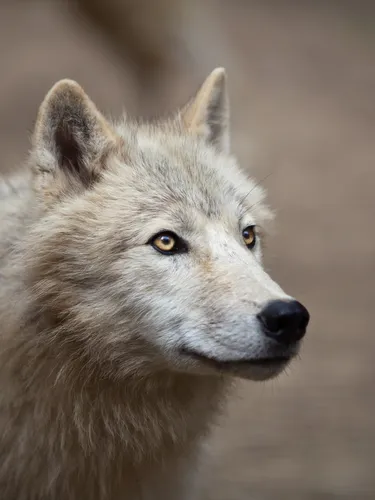
Often called the "polar wolf" or "white wolf," Arctic wolves inhabit the Arctic regions of North America and Greenland. Thanks to its isolation, the Arctic wolf is not threatened by hunting and habitat destruction in the same way as its southern relatives.
Arctic wolf facts
- Status Learn more about endangered status categories and explanation
- Least concern
- Scientific name
- Canis lupus arctos
- Weight
- 70–175 pounds
- Length
- 3.2–5.9 feet
- Habitats
- Tundra
Why they matter
© Monte HUMMEL / WWF-Canada
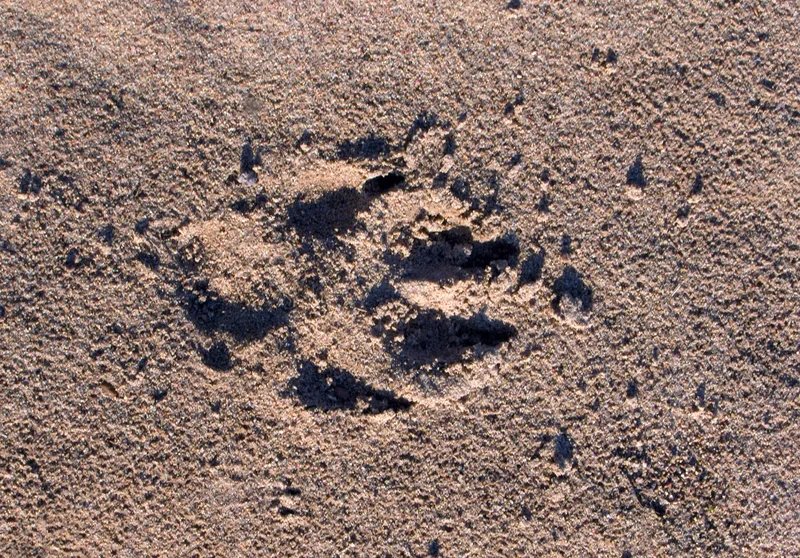
Arctic wolves are carnivorous hunters. By nature they help to control the populations of other animals in the region like the musk ox, caribou and Arctic hares.
Threats

© Ken MADSEN / WWF-Canada
Unlike other species of wolf, the Arctic wolf rarely comes into contact with humans and is not threatened by hunting or persecution. Industrial development threatens the Arctic wolf as an increasing number of mines, roads, and pipelines encroach on its territory and interrupt its food supply.
Climate Change
Extreme weather variations in recent years have made it more difficult for populations of musk ox and Arctic hares to find food which has caused a significant decline in their numbers. As a result, this has reduced the traditional food supply of the Arctic wolf.
How WWF is taking action

© Staffan Widstrand / WWF
WWF works with governments, businesses, and communities across the Arctic to combat the threats to the region and to preserve its rich biodiversity, including the presence of the Arctic wolf.
How you can help
© George Walsh
Strengthen the Endangered Species Act
More than 99% of the species listed under the Endangered Species Act have avoided extinction due to the law’s protections. Today, those protections are under threat — at the exact moment wildlife needs them most.