© Getty Images/Teerayut Chaisarn/WWF-US
Asian elephants
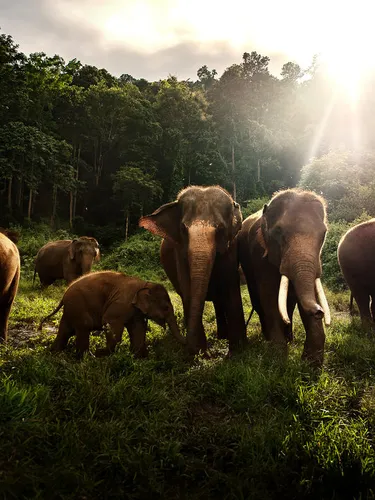
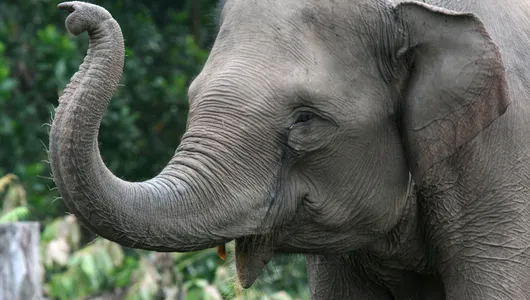
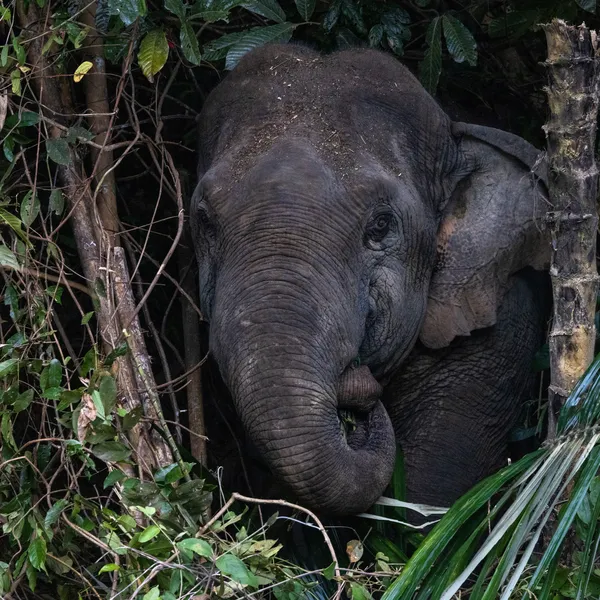
The Asian elephant is the largest land mammal on the Asian continent. They inhabit dry to wet forest and grassland habitats in 13 range countries spanning South and Southeast Asia. While they have preferred forage plants, Asian elephants have adapted to surviving on resources that vary based on the area.
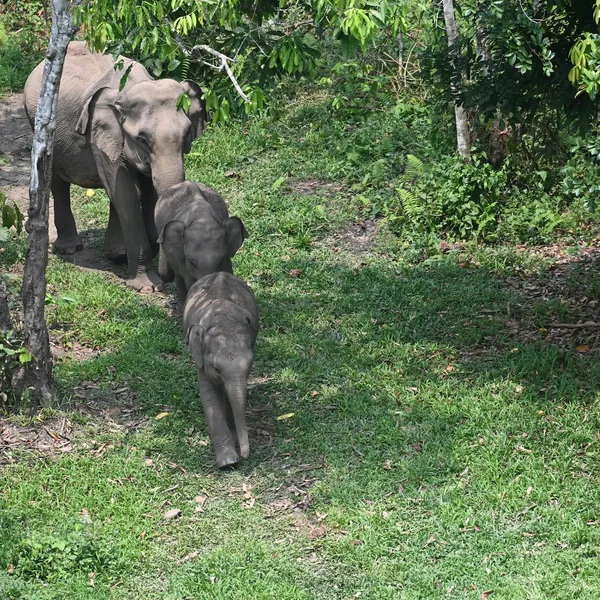
Asian elephants are extremely sociable, forming groups of six to seven related females that are led by the oldest female, the matriarch. Like African elephants, these groups occasionally join others to form larger herds, although these associations are relatively short-lived. In Asia, elephant herd sizes are significantly smaller than those of savannah elephants in Africa.
More than two-thirds of an elephant's day may be spent feeding on grasses, but it also eats large amounts of tree bark, roots, leaves, and small stems. Cultivated crops such as bananas, rice, and sugarcane are favorite foods. Elephants are always close to a source of fresh water because they need to drink at least once a day.
In Asia, humans have had close associations with elephants over many centuries, and elephants have become important cultural icons. According to Hindu mythology, the gods (deva) and the demons (asura) churned the oceans in a search for the elixir of life so that they would become immortal. As they did so, nine jewels surfaced, one of which was the elephant. In Hinduism, the powerful deity honored before all sacred rituals is the elephant-headed Lord Ganesha, who is also called the Remover of Obstacles.
Asian elephant facts
- Status Learn more about endangered status categories and explanation
- Endangered
- Population
- Fewer than 50,000
- Scientific name
- Elephas maximus indicus
- Weight
- Around 11,000 pounds
- Height
- 6.5–11.5 feet
- Length
- Around 21 feet
- Habitats
- Forests
The asian elephant family
News and stories
Why Asian elephants matter
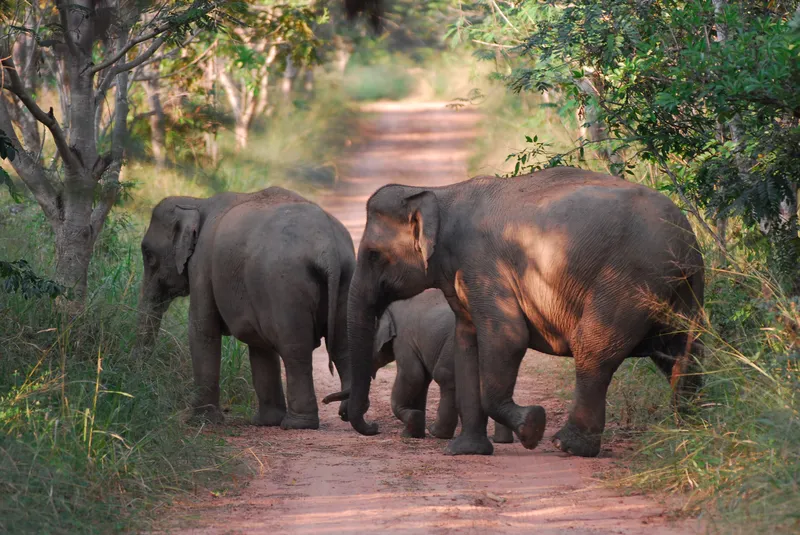
© Anton Vorauer / WWF
A future for Asian elephants ensures a future for other species and wild spaces. By protecting elephants, we also protect other animals that live in their habitat.
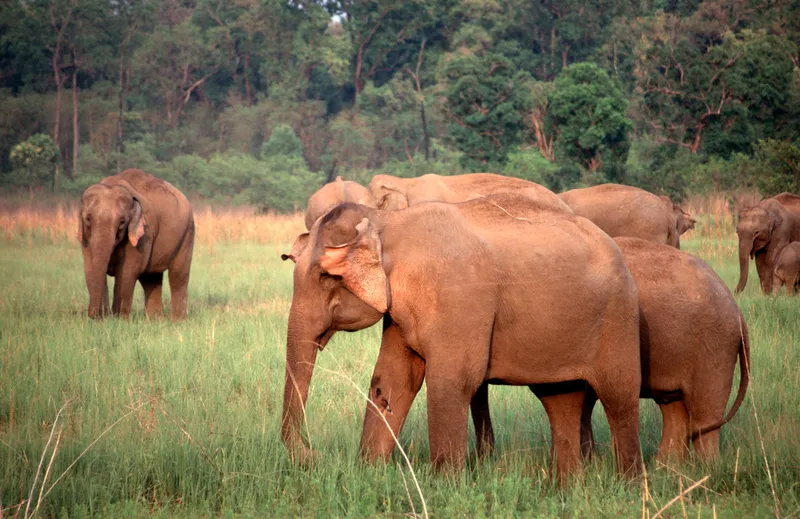
© Christy Williams / WWF
Asian elephants help to maintain the integrity of forest and grassland habitats. Their large size enables the creation of pathways through dense forests along which they travel, which then creates access for other wildlife.
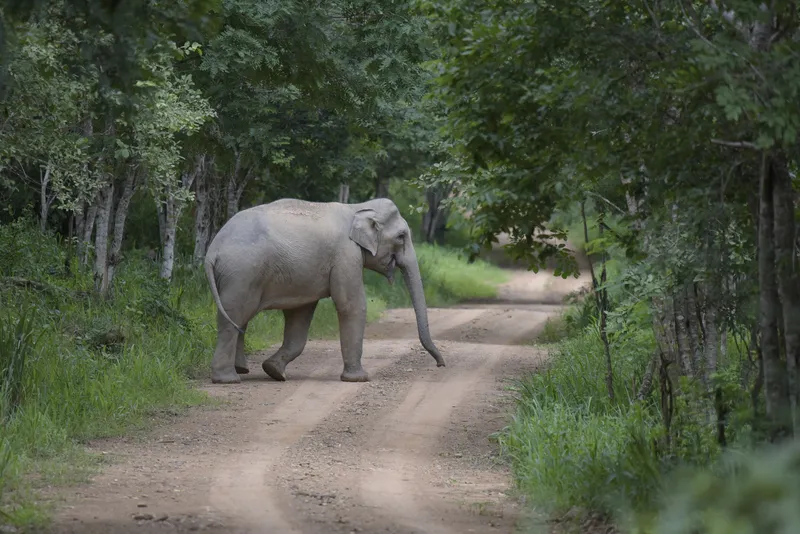
© Adam Oswell / WWF-Thailand
Asian elephants may spend up to 19 hours a day feeding, and they can produce about 220 pounds of dung per day while wandering around an area that can cover up to 125 square miles. This helps to disperse germinating seeds.
Threats to Asian elephants

© WWF / Matthew Lee
Habitat loss and fragmentation
The biggest threat to Asian elephants is habitat loss and fragmentation. Asia is the most populous continent on Earth, where development and economic growth have led to encroachment into places where elephants live. This has led to an average of 70% of elephants being found outside protected areas today. Expanding human settlements, plantations, industry, farming, mining, and linear infrastructure (roads, railway lines, irrigation canals, etc.) have squeezed elephant populations into smaller pockets of forest surrounded by human settlements that often block traditional migratory routes.
Genetic threat from extirpation of small populations
Elephants confined to smaller populations as a result of habitat loss are at a higher risk of becoming wiped out due to disasters, disease, inbreeding, and more.
Human-elephant conflict
Another significant threat to elephants is human-elephant conflict. With a significant portion of the elephant population living outside protected areas, most of which contain agricultural lands and human settlements, interactions between elephants and humans have been on the rise. These encounters, often negative, lead to crop and property loss, injury, and death. These impacts may cause humans to retaliate against elephants, often with lethal outcomes.
Capture of wild elephants
The illegal capture of wild elephants and elephant calves for various purposes, such as tourism, has become a threat to some wild populations, significantly affecting population numbers. India, Vietnam, and Myanmar have banned capture in order to conserve their wild herds, but illegal captures still occur in a number of countries where elephants live.
Poaching and illegal wildlife trade
Even where suitable habitat exists, poaching remains a threat to elephants in many areas. In 1989, the Convention on International Trade in Endangered Species of Wild Fauna and Flora (CITES), a global agreement among governments to regulate or ban international trade in species under threat, banned the international trade in elephant ivory. However, there are still places where the trade is thriving, and unregulated domestic ivory markets in a number of countries fuel the illegal international trade. Although most of this ivory comes from the poaching of African elephants, Asian elephants (tusked males) are also illegally hunted for their ivory. There is also a steady market for other elephant products, such as skin, tail hair, and meat, which continues to fuel poaching, a significant threat to already small elephant populations found in many of these countries. Advances in technology and connectivity have led to an increased ease for buyers and sellers connecting globally online, further driving the illegal trade in elephant products.
Podcast: Asian elephants need our help
On today’s episode, hear from Nilanga Jayasinghe, WWF’s manager of Asian species conservation, about the features that make Asian elephants unique, the threats they currently face, and how an initiative called Elly Allies aims to address them—focusing specifically on driving progress in Southeast Asia and China.
How WWF is taking action to protect Asian elephants

© Christy Williams/WWF-US
WWF's work in Asia focuses on creating a future for elephants in a landscape dominated by humans. WWF invests in conserving and connecting elephant habitat, helping communities manage human-elephant conflict, reducing impacts on elephant populations, and—most importantly—improving tolerance towards elephants.
In Southeast Asia and China, where only around 16%-20% of the global Asian elephant population is found, WWF has launched a new initiative called the Elly Allies to focus on concerted conservation efforts. Elephant populations across Cambodia, China, Laos, Indonesia, Malaysia, Myanmar, Thailand, and Viet Nam are particularly threatened, with only about 8,000-11,000 wild elephants remaining. WWF’s Elly Allies is working to scale up conservation efforts to protect and connect habitat, create an environment for sustainable coexistence with humans, and halt population declines and local extinctions of elephants through improved protection and management.
Reducing human-elephant conflict
WWF supports moving towards coexistence with elephants through integrated and holistic approaches to conflict management. This is also possible through partnerships with various stakeholders, including communities, governments, the private sector and others, to manage such conflicts at scale. Such efforts are underway in a number of landscapes across Asia, including in Assam, India, Myanmar, Thailand and Vietnam, among others.

© WWF-Indonesia / Marino
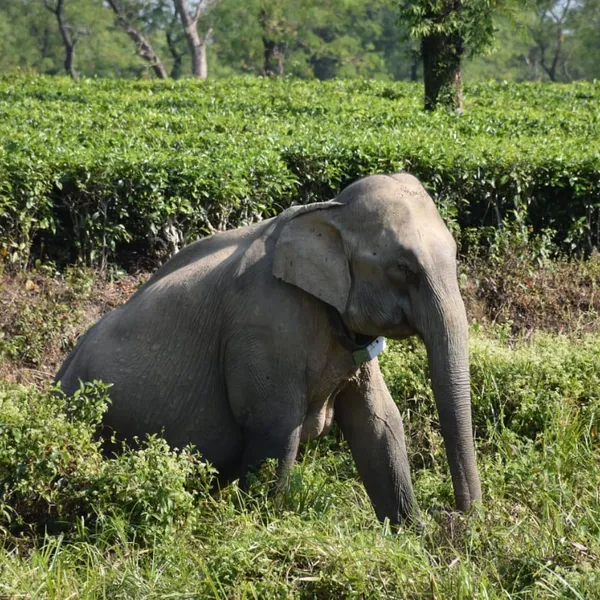
In Assam, WWF supports implementation of low-cost electric fencing, as well as support for other tools and techniques to help communities protect their crops and settlements from elephant incursions; supports the development of community response teams to safely drive elephants away from human inhabited areas; disseminates awareness information to communities on the dos and don'ts of living with elephants; gathers crucial data on elephant movement and habitat use, and information on human-elephant conflict, through radio-collaring to inform policies that address land-use and other drivers of human-elephant conflict.
In Myanmar, WWF supports protection efforts to counter the killing of elephants for their skin, which is marketed for various purposes. In addition, WWF is working to address human-elephant impacts on the ground in Myanmar that are also closely linked to poaching. These efforts help build support for elephant conservation among struggling communities in the long term.
In Thailand’s Kui Buri National Park, WWF has supported human-elephant conflict management efforts since 2006. In partnership with park authorities, adjacent communities and many other stakeholders, WWF implements multiple, integrated actions to address human-elephant conflict. For example, camera traps serve as early detection tools when elephants are near farms and response teams work hand-in-hand with farmers to deter elephants from coming into farms.
WWF works to address drivers of human-elephant conflict like habitat loss and degradation by planting native elephant food plants, creating water holes and salt licks, and removing invasive species. WWF also helps support diversified livelihood opportunities by training adjacent community members impacted by human-elephant conflict as wildlife tour guides for the many tourists that come to Kui Buri to see elephants. An integrated and broad approach has helped significantly reduce human-elephant conflict over time.
Halting poaching and stopping trade
In response to high incidents of elephant and tiger poaching in a number of range countries, WWF and its local partners have coordinated wildlife patrol units that conduct antipoaching patrols, confiscate snares and other means of trapping animals, educate local people on the laws in place concerning poaching, and help authorities apprehend criminals. The evidence collected by wildlife patrol units has helped bring known poachers to court.
In tackling the consumer demand for elephant ivory, WWF has been at the forefront of global campaigns to influence governments, the private sector and the public to help stop wildlife crime. Using social and behavior change science, we have developed the longest running assessments of consumer demand and motivations for elephant ivory in Asian markets, that we have used to tailor consumer specific awareness campaigns to deter buyers of elephant ivory.
WWF also works with e-commerce, social media, and technology companies through the Coalition to End Wildlife Trafficking Online to address elephant ivory trade and other wildlife crimes on web-based platforms. Launched in 2018, the Coalition includes 47 member companies operating across Africa, Asia, Europe, and the Americas.
Protecting elephant habitat
In the Terai Arc Landscape, which encompasses parts of western Nepal and eastern India, WWF and its partners restore degraded biological corridors so that elephants can access their migratory routes without disturbing places where people live. The long-term goal is to reconnect 12 protected areas and encourage community-based action to reduce and manage human-elephant conflict. Such approaches are being facilitated by WWF across the range of the Asian elephant.
Securing healthy forests
In Sumatra, which is one of the world's deforestation hotspots, business-as-usual conservation won't cut it. WWF and partners are pursuing a cutting-edge strategy to protect one of the last elephant strongholds in central Sumatra. In the Bukit Tigapuluh, or Thirty Hills, landscape, WWF-Indonesia is actively managing a nearly 100,000-acre ecosystem restoration concession with two other conservation partners.
The goal: to conserve and restore the forest to maintain important carbon stocks, conserve biodiversity, and support the environment of forest-dependent Indigenous communities. There are an estimated 150 critically endangered Sumatran elephants living in Thirty Hills, making it one of the last viable populations in the rapidly deforested central part of the island.
In Sabah, Malaysia (on the island of Borneo), significant lowland elephant habitat has been converted into oil palm, rubber and other large-scale plantations. WWF’s collaboration with a plantation company led to the company setting aside over 2,600 acres of land for a wildlife corridor to connect two key protected areas. The corridor restoration project is now 80% complete, and wildlife has been moving through unimpeded.
Understanding elephant populations
Understanding wild elephant population dynamics and health is another important piece of the conservation puzzle. WWF supports biological research and monitoring of Asian elephant populations to enable appropriate conservation recommendations. For example, in countries like Vietnam and Cambodia, WWF has been engaging in conducting fecal DNA assessments to estimate population size in key protected areas and are in the process of launching efforts to put GPS collars on elephants to understand important movement patterns and habitat use.
Experts


How you can help
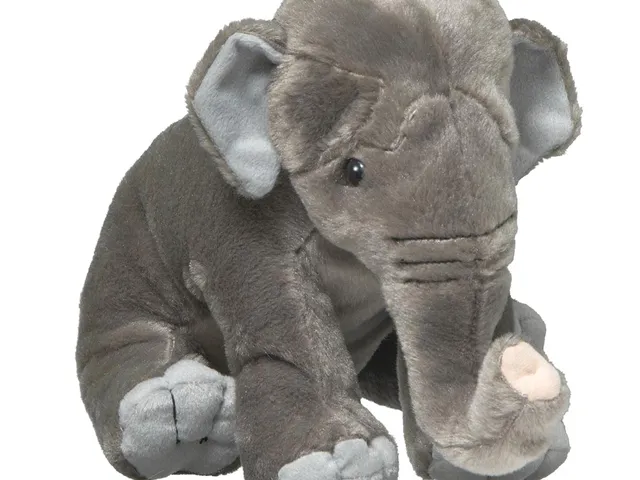
© WWF-US / WWFGifts
Adopt an Asian elephant
Support WWF’s global efforts to protect wild animals and their habitats and choose from kits with plush and more.