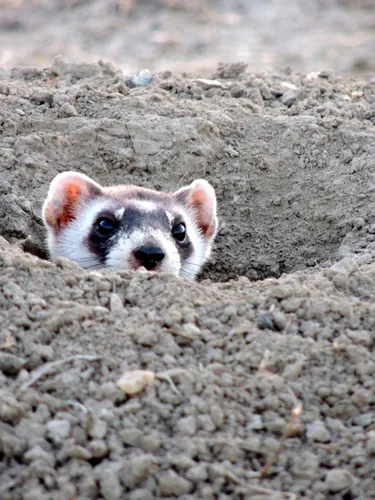
© KristyBly / WWF
Black-footed ferrets
Saving rare species from extinction requires extraordinary measures. The black-footed ferret is one of North America’s most endangered mammals. Once thought to be extinct, after the species was rediscovered in Wyoming in 1981, concerted efforts by numerous partners have given black-footed ferrets a second chance for survival. Captive breeding, reintroductions, habitat protection, and cloning have helped restore them to over 300 animals in the wild. Although great strides have been made to recover the black-footed ferret, habitat loss and disease remain their key threats. Biologists estimate that there should be 3,000 adult ferrets in the wild to successfully recover this endangered species.
Black-footed ferret facts
- Status Learn more about endangered status categories and explanation
- Endangered
- Population
- About 495 in the wild
- Scientific name
- Mustela nigripes
- Weight
- 1.5–2.5 pounds
- Length
- 18–24 inches
- Habitats
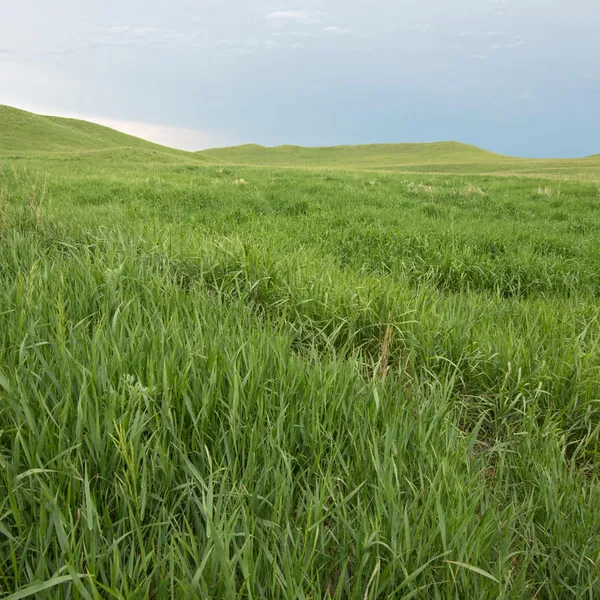
- Grasslands
News and stories

Why black-footed ferrets matter
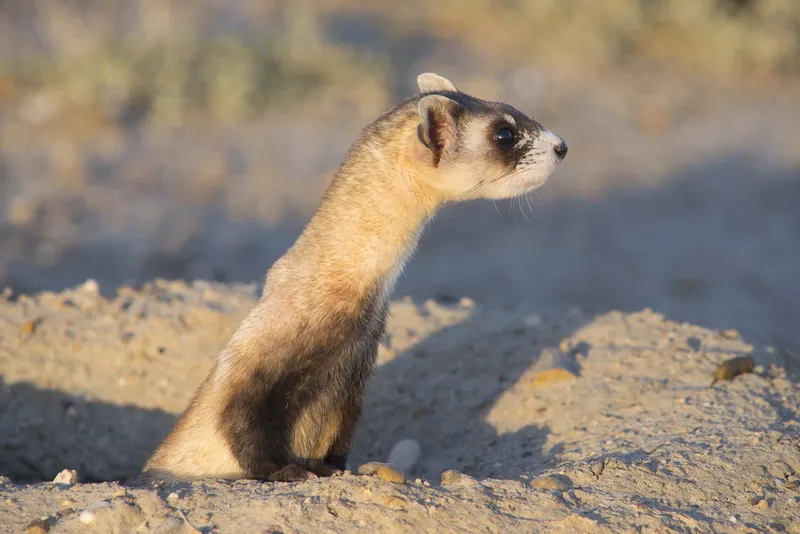
© WWF-US/Clay Bolt
Black-footed ferrets are one of the most endangered mammals in North America and are the only ferret species native to the continent. Their recovery in the wild signifies the health of the grassland ecosystem which they depend on to survive.
Threats to black-footed ferrets

© Steve Morello / WWF-US
Habitat loss and non-native disease threaten the recovery of the black-footed ferret. The ferret is entirely dependent on the presence of prairie dogs and their colonies for food, shelter and raising young. Without ample reintroduction sites and protection from plague, full black-footed ferret recovery remains difficult.
How WWF is taking action to protect black-footed ferrets
WWF leads recovery efforts by working alongside tribal communities and their wildlife programs, public land and wildlife agencies, other conservation organizations, universities, zoos and private landowners to remove the black-footed ferret from the list of Threatened and Endangered Species. To achieve this, WWF and partners are: (1) maintaining and enhancing existing ferret populations, (2) identifying and establishing new ferret reintroduction sites, (3) supporting efforts to address sylvatic plague and (4) driving resources to achieving recovery.
Protecting black-footed ferrets
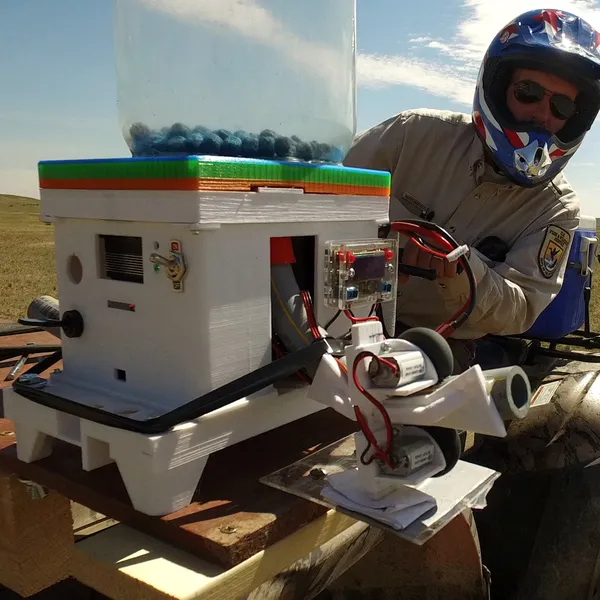
WWF leads recovery efforts by working alongside other conservation organizations, land management agencies, tribes and landowners to build the conditions necessary to see black-footed ferrets reach sustainable levels. WWF and partners maintain existing ferret sites, establish new reintroduction sites by relocating prairie dogs to increase ferret habitat, mitigate sylvatic plague on prairie dog colonies and participate in oral vaccine research to better protect prairie dogs from sylvatic plague.
Restoring black-footed ferret populations
Fifteen black-footed ferrets are being released into prairie dog colonies on the Fort Belknap Reservation in September 2015. Black-footed ferrets were first reintroduced on the Reservation in 1997, but an outbreak of sylvatic plague swept through the release sites in 1999 and decimated populations of ferrets and prairie dogs, the ferret’s main food item. Since then, prairie dog populations have rebounded, new plague management tools are in place, and the Fort Belknap Fish and Wildlife Department, in partnership with the World Wildlife Fund, Defenders of Wildlife and U.S. Fish and Wildlife Service, are working together to return the masked bandit of the prairie to the Reservation. A total of 52 ferrets were released in 2013 and 2014.

© Clay Bolt / WWF-US
Podcast: Saving the black-footed ferrets of North America
The ongoing effort to save both black-footed ferrets and prairie dogs has brought together experts from WWF, Fort Belknap Indian Community, local conservation agencies in Montana, and students from the Aaniiih and Nakoda College. Joining the show to discuss this work are Kristy Bly, WWF’s black-footed ferrets restoration manager, and Tevin Messerly, a biologist with the Fort Belknap Fish and Wildlife Department. Kristy and Tevin give a rundown of all the basic facts you need to know about black-footed ferrets, what strategies they are pursuing to save them, and what it looks like to deploy those strategies in the field.
Experts


How you can help
© George Walsh
Strengthen the Endangered Species Act
More than 99% of the species listed under the Endangered Species Act have avoided extinction due to the law’s protections. Today, those protections are under threat — at the exact moment wildlife needs them most.