© Kaisa Siren / WWF
Bornean elephants
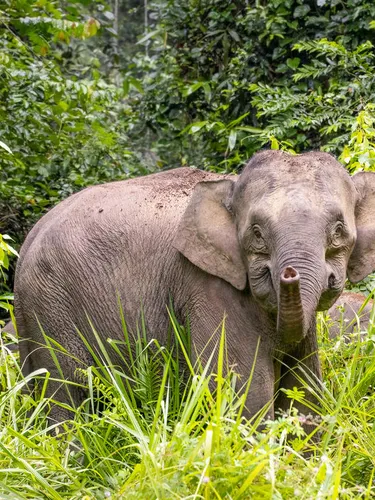
The smallest Asian elephant subspecies, Bornean elephants are distinctly smaller than their mainland cousins. They have long tails that sometimes touch the ground, relatively large ears, and straighter tusks. While Borneo elephants are smaller in size than their African counterparts, at 8.2-9.8 feet tall, the Bornean elephant is the largest mammal on the island.
Once believed to be remnants of a domesticated herd given to the Sultan of Sulu in the 17th century, Bornean elephants were determined by WWF to be genetically different from other Asian elephants. DNA evidence proved that these elephants were isolated about 300,000 years ago from their cousins on mainland Asia and Sumatra.
Bornean elephant facts
- Status Learn more about endangered status categories and explanation
- Endangered
- Population
- Estimated to be fewer than 1,500
- Scientific name
- Elephas maximus borneensis
- Height
- 8.2–9.8 feet
- Habitats
- Forests
Why Bornean elephants matter
© A. Christy Williams / WWF-Canon
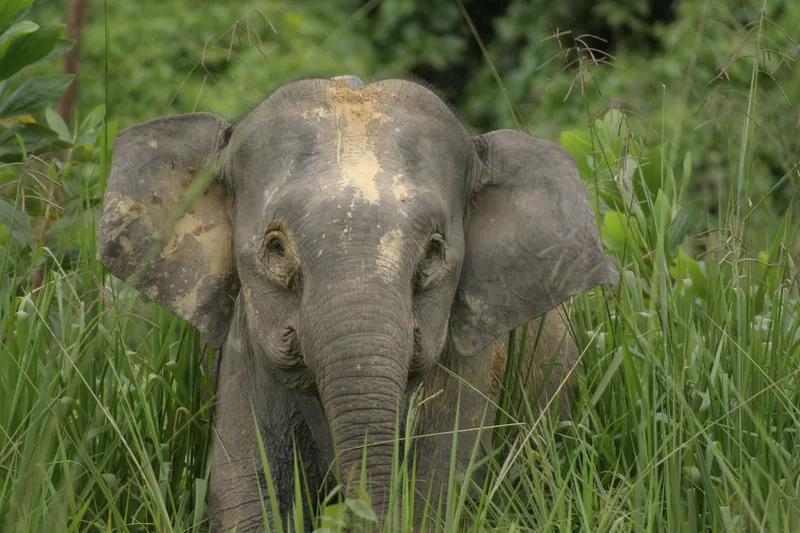
Borneo’s elephants are a high conservation priority, yet they remain the least-understood elephants in the world.
Threats to Bornean elephants

© A. Christy Williams / WWF-Canon
Conflict with humans
Shrinking forests bring the elephants into more frequent contact with people, increasing human-elephant conflict in the region. Due to extensive habitat loss, today, many Bornean elephants spend much of their time in plantations or travel through them to reach fragmented forest patches. New oil palm plantations in the area mean more human settlements, with some people setting illegal snares to catch small game. In the Lower Kinabatangan Wildlife Sanctuary, it is estimated that 20 percent of resident elephants have sustained injuries from these snares.
Habitat loss
The primary threat to these elephants is the loss of continuous forests. In the last 40 years, Sabah has lost 60% of its elephant habitat to cultivation. Mammals of their size require large areas to find sufficient food. The large blocks of forests they require are fragmented by encroachment and conversion of natural forests to commercial plantations. Logging, expanding agriculture, and palm oil plantations are reducing contact between sub populations, as well as shrinking the forest area available for each sub-population.
How WWF is taking action to protect Bornean elephants

© A. Christy Williams / WWF-Canon
Until WWF began working in Borneo, no one had ever studied the Bornean elephant. In 2005, WWF successfully attached satellite collars to five elephants in different herds in the Malaysian state of Sabah. The collaring is part of the first scientific research ever conducted on this little-understood population.Tracking data has provided insight into the movement of these elephants and their use of the forests. Based on the study, WWF has made recommendations to help manage elephant forests, identify elephant corridors and maintain critical forest areas. Today, WWF continues to collar and monitor the movement of these endangered mammals in order to reduce human-wildlife conflict and inform conservation actions.
The best hope for the long-term survival of Borneo's elephants lies in sustainable forest management for timber production, since elephants can survive and breed in natural forests that are selectively logged. To address the problem, WWF works with plantation managers and owners in key Bornean elephant habitat in an effort to create reforested wildlife corridors that allow elephants and other species to move freely between natural forests, which also leads to a reduction in human-elephant conflict.
Experts

How you can help
© WWF-US / WWFGifts
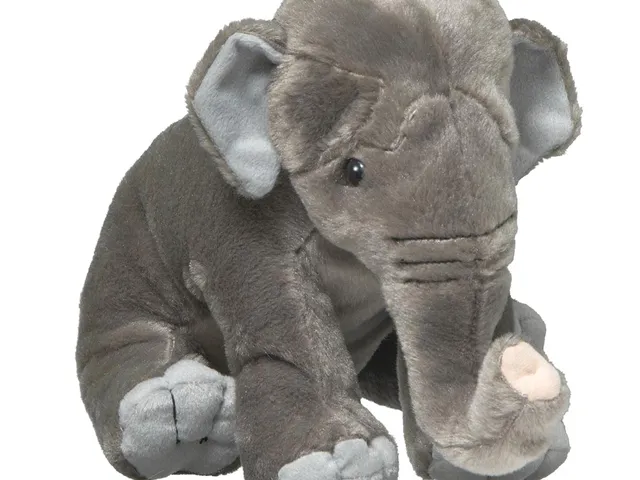
Adopt an Asian elephant
Support WWF’s global efforts to protect wild animals and their habitats and choose from kits with plush and more.