© Shutterstock
Chimpanzees
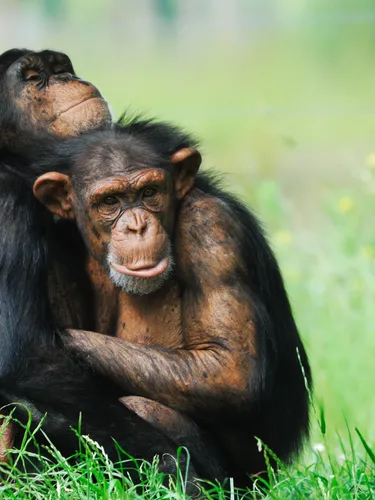
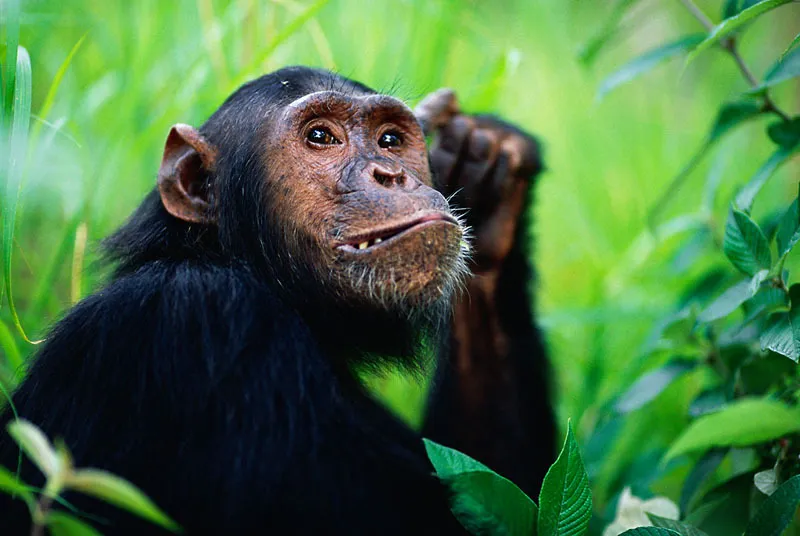
Like us, chimps are highly social animals, care for their offspring for years and can live to be over 50. In fact, chimpanzees are our closest cousins; we share about 98% of our genes.
In their habitat in the forests of Central Africa, chimpanzees spend most of their days in the treetops. When they do come down to earth, chimps usually travel on all fours, though they can walk on their legs like humans for as far as a mile. They use sticks to fish termites out of mounds and bunches of leaves to sop up drinking water.
Facts about chimpanzees
- Status Learn more about endangered status categories and explanation
- Endangered
- Population
- 172,700 – 299,700
- Scientific name
- Pan troglodytes
- Habitats
- Forests (moist and dry forests), savannah woodlands, grassland-forest mosaics
Why chimpanzees matter
© WWF/Megan Smith
Despite our shared lineage, humans are pushing chimpanzees toward extinction. Chimps have already disappeared completely from four countries and are under tremendous pressure everywhere else they live.
Threats to chimpanzees

© Howard W. Buffet/WWF-US
Illegal wildlife trade
Poaching is another prominent threat. Bushmeat has always been a primary food source in Central and West Africa, but in recent years poaching has become commercialized to satisfy the appetites of wealthy urban residents. Infant chimpanzees are frequently taken alive and sold in cities as pets.
Disease
Disease also stalks chimpanzees: Ebola outbreaks have killed tens of thousands of great apes.
How WWF is taking action to protect chimpanzees

© Martin Harvey/WWF-Canon
WWF establishes, strengthens, and manages protected areas in Central and West Africa. In Democratic Republic of Congo, the Central African Republic, Gabon, Cameroon and other countries, we:
- protect chimpanzees through antipoaching and effective law enforcement
- help governments establish and manage national parks
- monitor chimpanzee populations
- encourage sustainable use of forest resources in park buffer zones
- build trans-boundary collaboration to develop partnerships between neighboring countries
We also develop chimpanzee-focused ecotourism and work to stop illegal poaching in logging concessions. WWF continues to look for ways to reduce the impact of the bushmeat trade on apes and other endangered species.
How you can help
© WWF-US / WWFGifts
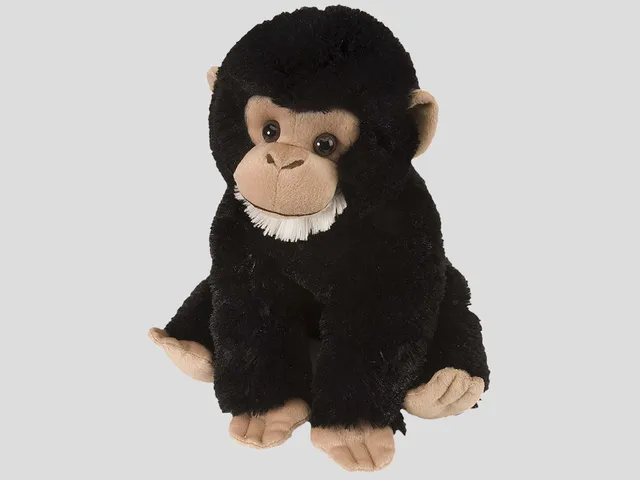
Adopt a chimpanzee
Support WWF’s global efforts to protect wild animals and their habitats and choose from kits with plush and more.