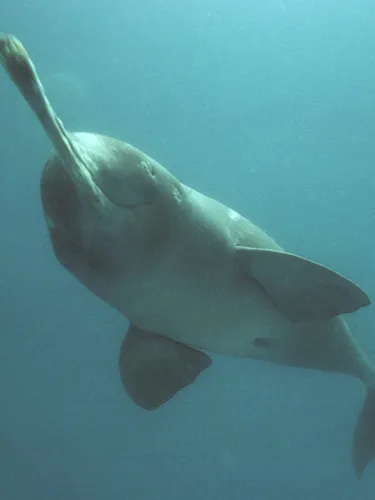
© François Xavier Pelletier / WWF-Canon
Ganges River dolphins
Dolphins are one of the oldest creatures in the world along with some species of turtles, crocodiles and sharks. The Ganges river dolphin was officially discovered in 1801. Ganges river dolphins once lived in the Ganges-Brahmaputra-Meghna and Karnaphuli-Sangu river systems of Nepal, India, and Bangladesh. But the species is extinct from most of its early distribution ranges.
The Ganges river dolphin can only live in freshwater and is essentially blind. They hunt by emitting ultrasonic sounds, which bounces off of fish and other prey, enabling them to “see” an image in their mind. They are frequently found alone or in small groups, and generally a mother and calf travel together. Calves are chocolate brown at birth and then have grey-brown smooth, hairless skin as adults. Females are larger than males and give birth once every two to three years to only one calf.
Ganges river dolphin facts
- Status Learn more about endangered status categories and explanation
- Endangered
- Population
- 3,500–5,000
- Scientific name
- Platanista gangetica gangetica
- Weight
- 330–374 pounds
- Length
- 7–8.9 feet
- Habitats
- Freshwater rivers
Why Ganges river dolphins matter
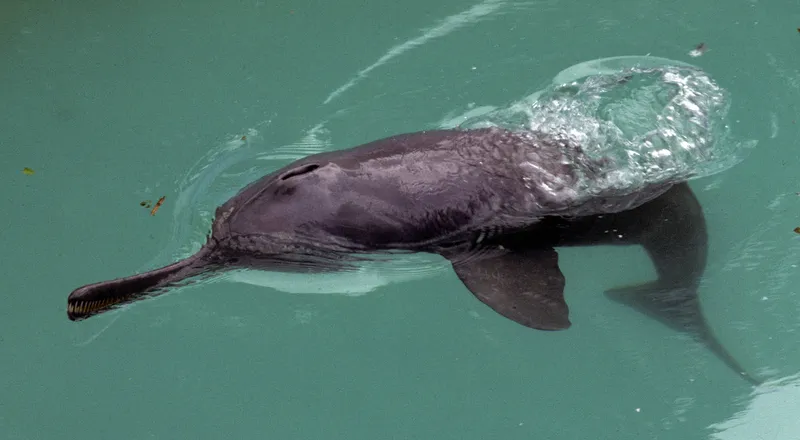
© François Xavier Pelletier / WWF-Canon
The Ganges river dolphin is important because it is a reliable indicator of the health of the entire river ecosystem. The government of India declared it the National Aquatic Animal in 2009.
Threats to Ganges river dolphins

© naturepl.com / Neil Lucas / WWF-Canon
Bycatch
The habitat of the Ganges river dolphin is within one of the most densely populated areas of the world. Ganges river dolphins and people both favor areas of the river where fish are plentiful and the water current is slower. This has led to fewer fish for people and more dolphins dying as a result of accidentally being caught in fishing nets, also known as bycatch. The Ganges river dolphin is still hunted for meat and oil, which are both used medicinally. The oil is also used to attract catfish in net fishery.
Pollution
Industrial, agricultural, and human pollution is another serious cause of habitat degradation. Each year, 9,000 tons of pesticides and 6 million tons of fertilizers are used in the vicinity of the river. High levels of pollution can directly kill prey species and dolphins, and completely destroy their habitat. As the top predator, river dolphins have been known to have high levels of persistent toxic chemicals in their bodies, which is likely to adversely affect their health.
Infrastructure
Ganges river dolphins are divided into isolated groups because of the construction of more than 50 dams and other irrigation-related projects. This makes them susceptible to inbreeding and more vulnerable to other threats because they cannot move to new areas. Dolphins trapped above a dam are exposed to poaching, especially during dry summer months. Dolphins below a dam are threatened by heavy pollution, increased fishing activities and vessel traffic. They also have less food because dams disturb the migration, breeding cycles and habitat of fish and other prey.
How WWF is taking action to protect Ganges river dolphins

© Brian Thomson / WWF-Canon
WWF works to reduce habitat degradation caused by dams, irrigation canals, and water withdrawals. We also work to mitigate pollution of freshwater ecosystems and dolphin deaths from fishing bycatch and deliberate removal of the species.
Monitoring populations
In Nepal, WWF surveyed the Ganges river dolphin populations in the Karnali River and its tributaries, analyzed the threats to the dolphins and their habitats, and then provided recommendations to policymakers about how to protect them. WWF also monitors dolphin populations and threats in important habitats in India.
Encouraging communities to protect dolphins
WWF encourages local communities along a vital stretch of dolphin habitat to use natural fertilizers, not dispose of domestic sewage in the river, reforest the river bank, and ban commercial fishing and sand-mining activities.
How you can help
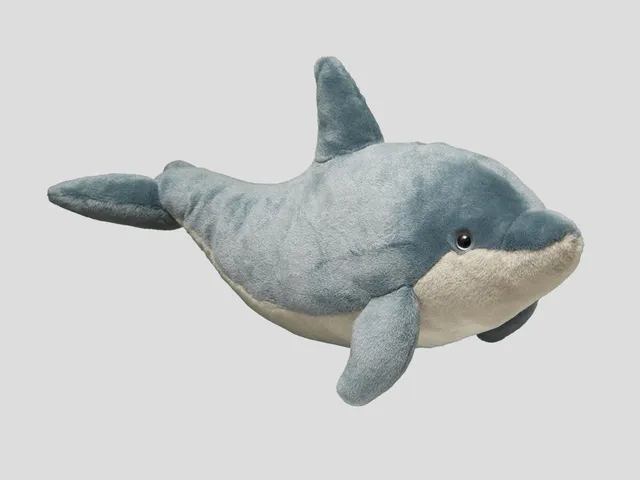
© WWF-US / WWFGifts
Adopt a dolphin
Support WWF’s global efforts to protect wild animals and their habitats and choose from kits with plush and more.