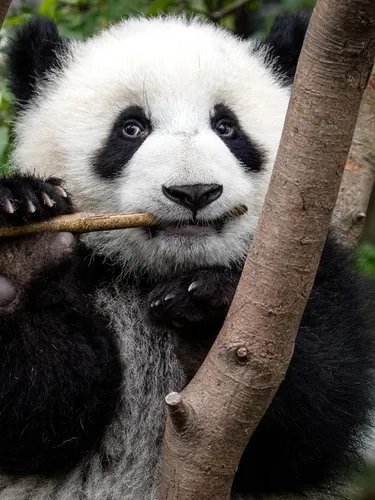
© Sharon Fisher
Giant pandas
Despite their exalted status and relative lack of natural predators, pandas are still at risk. Severe threats from humans have left just over 1,800 pandas in the wild.
The panda, with its distinctive black and white coat, is adored by the world and considered a national treasure in China. This bear also has a special significance for WWF because it has been our logo since our founding in 1961.
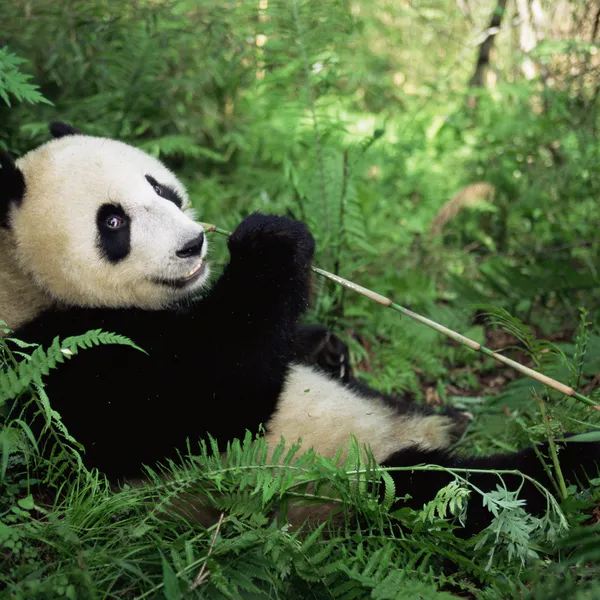
Pandas live mainly in temperate forests high in the mountains of southwest China, where they subsist almost entirely on bamboo. They must eat around 26 to 84 pounds of it every day, depending on what part of the bamboo they are eating. They use their enlarged wrist bones that function as opposable thumbs.
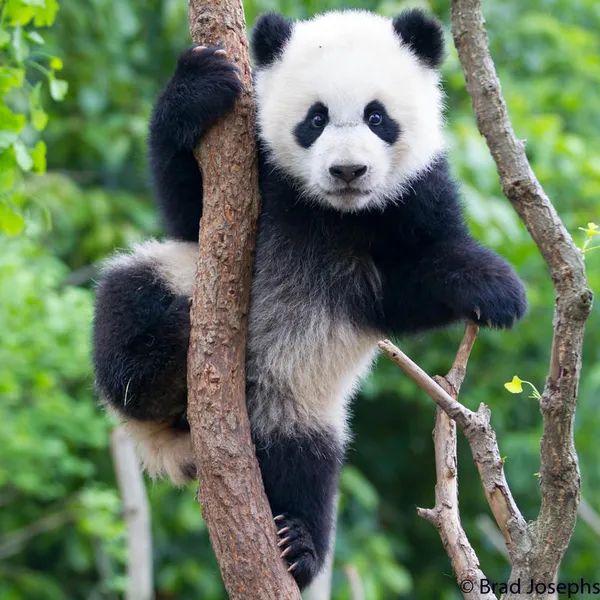
A newborn panda is about the size of a stick of butter—about 1/900th the size of its mother—but females can grow up to about 200 pounds, while males can grow up to about 300 pounds as adults. These bears are excellent tree climbers despite their bulk.
Giant panda facts
- Status Learn more about endangered status categories and explanation
- Vulnerable
- Population
- 1,864 in the wild
- Scientific name
- Ailuropoda melanoleuca
- Weight
- 220–330 pounds
- Height
- Adults can grow to more than four feet.
- Habitats
- Temperate broadleaf and mixed forests of southwest China
News and stories
Why giant pandas matter
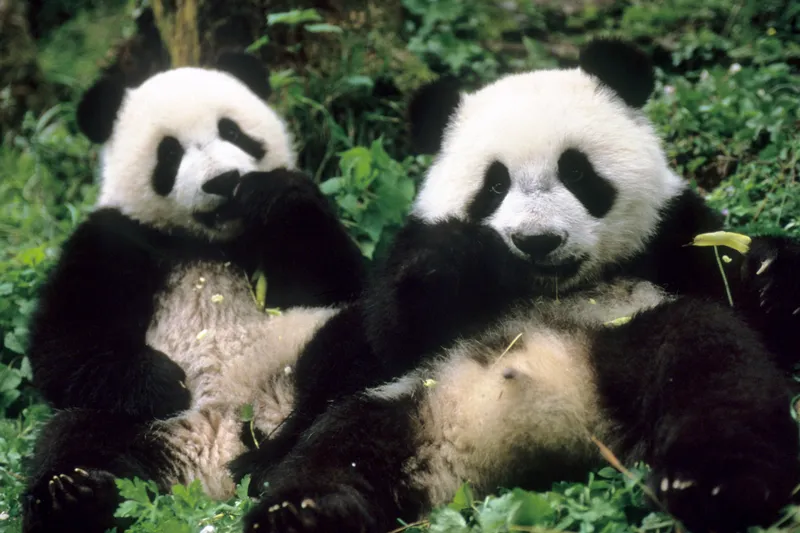
© Jenny Jonak / WWF-US
Crucial Role in Forests
The biological diversity of the panda’s habitat is unparalleled in the temperate world and rivals that of tropical ecosystems, making the giant panda an excellent example of an umbrella species conferring protection on many other species where pandas live. In other words, when we protect pandas, we invariably protect other animals that live around them, such as multicolored pheasants, the golden monkey, takin, and crested ibis. Pandas also bring sustainable economic benefits to many local communities through ecotourism.
Threats to giant pandas
Habitat loss
China’s Yangtze Basin region holds the panda’s primary habitat. Infrastructure development (such as dams, roads, and railways) is increasingly fragmenting and isolating panda populations, preventing pandas from finding new bamboo forests and potential mates.
Forest loss also reduces pandas’ access to the bamboo they need to survive. The Chinese government has established more than 50 panda reserves, but only around 67% of the total wild panda population lives in reserves, with 54% of the total habitat area being protected.
Hunting
Although poaching impacted pandas in the past, its impact declined since the enactment of the Wildlife Protection Act (1988), which bans poaching and carries severe punishments. However, pandas may get caught accidentally in snares set for musk deer or other species.
How WWF is taking action to protect giant pandas
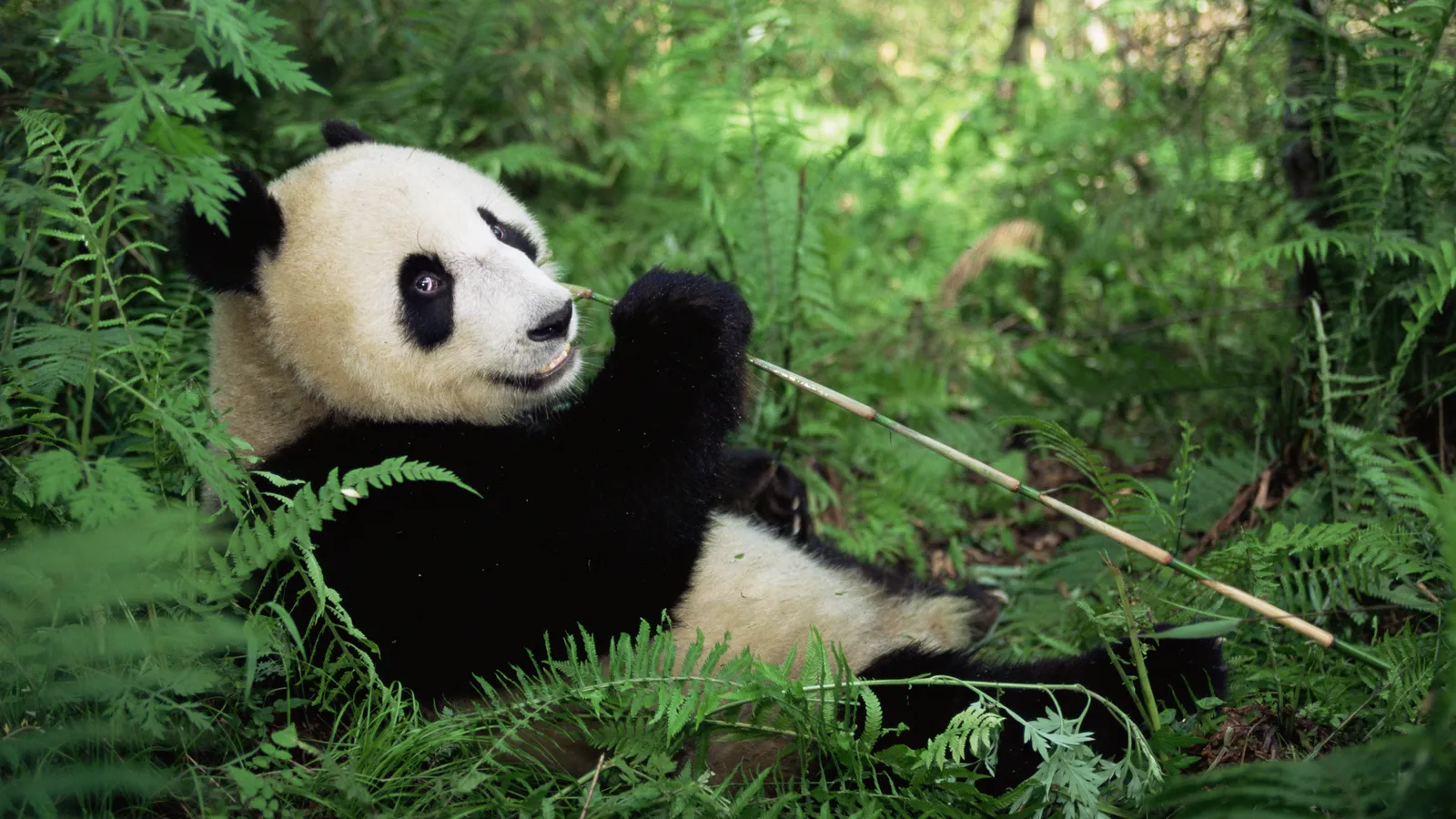
© naturepl.com / LYNN M. STONE / WWF
WWF was the first international conservation organization to work in China at the Chinese government's invitation. Our main role in China is to assist and influence policy-level conservation decisions through information collection, demonstration of conservation approaches, communications, and equipping people with the tools and knowledge they need to protect pandas and their habitat.
Podcast: Why giant pandas are a conservation success story
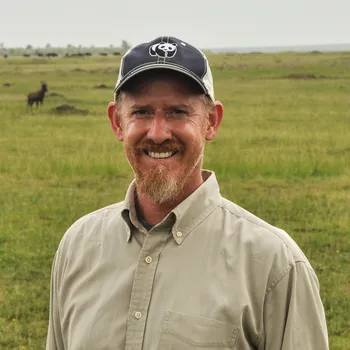
In this episode of WWF's award-winning Nature Breaking podcast, we dive into the world of giant pandas with Colby Loucks, Vice President and Deputy Lead of WWF’s Wildlife Program. Together, we unpack what makes pandas so unique—from their “fake thumb” and bamboo‑only diet to their solitary lifestyles and playful personalities.
The WWF logo
The inspiration for the WWF logo came from Chi-Chi, a giant panda that was living at the London Zoo in 1961, the same year WWF was created. WWF’s founders were aware of the need for a strong, recognizable symbol that would overcome all language barriers. They agreed that the big, furry animal with her appealing, black-patched eyes would make an excellent choice.
The first panda sketches were done by the British environmentalist and artist Gerald Watterson. Based on these, Sir Peter Scott, one of WWF’s founders and a world-renowned conservationist and painter, drew the first logo.
The design of the logo has evolved over the past four decades, but the giant panda’s distinctive features remain an integral part of WWF’s treasured and unmistakable symbol. Today, WWF’s trademark is recognized as a universal symbol for the conservation movement.

© WWF
Experts

How you can help
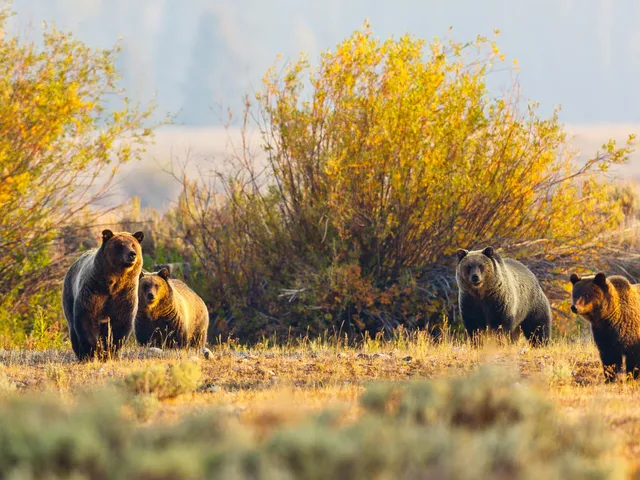
© George Walsh
Strengthen the Endangered Species Act
More than 99% of the species listed under the Endangered Species Act have avoided extinction due to the law’s protections. Today, those protections are under threat — at the exact moment wildlife needs them most.