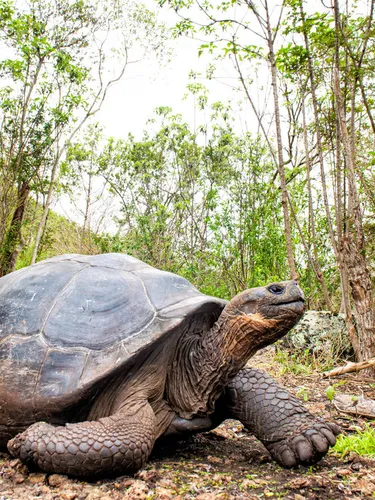
© Antonio Busiello / WWF-US
Giant tortoises
There are many subspecies of giant tortoises that are found on different islands and have different appearances. Those that live on the larger islands where there is more rain have “dome” shaped shells, while those that live in drier conditions are smaller tortoises and have a “saddleback” shell.
On June 24, 2012, the world-famous giant tortoise affectionately known as “Lonesome George” passed away. He was the last surviving land tortoise from Pinta Island, one of the northern islands in the Galápagos. Thought to be 100 years old, Lonesome George lived at the Charles Darwin Research Station since he was found in 1971. For more than three decades, the Galápagos National Park tried to save the Pinta subspecies by finding George a mate. Unfortunately they did not succeed. Sadly with Lonesome George’s passing, there will be no more Pinta Island tortoises.
Giant tortoise facts
- Status Learn more about endangered status categories and explanation
- Vulnerable
- Weight
- Up to 700 pounds
- Length
- Up to 4 feet long
Why giant tortoises matter
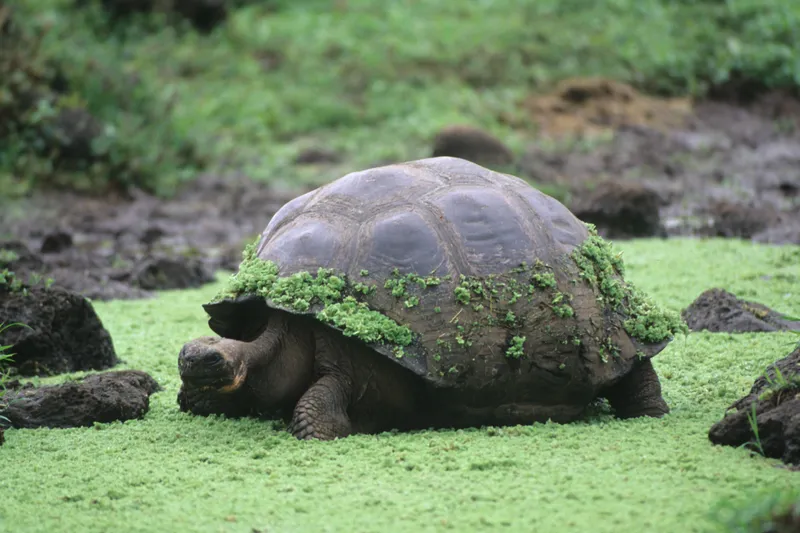
© Steve Morello / WWF-US
The giant tortoise is an iconic species from the Galápagos and is only found on these islands. They are the largest living tortoise in the world.
Threats to giant tortoises

© WWF-US / Steve Morello
The giant tortoise is threatened by introduced species to the islands, such as dogs and cats which prey on young tortoises, and cattle which compete for grazing vegetation.
How you can help
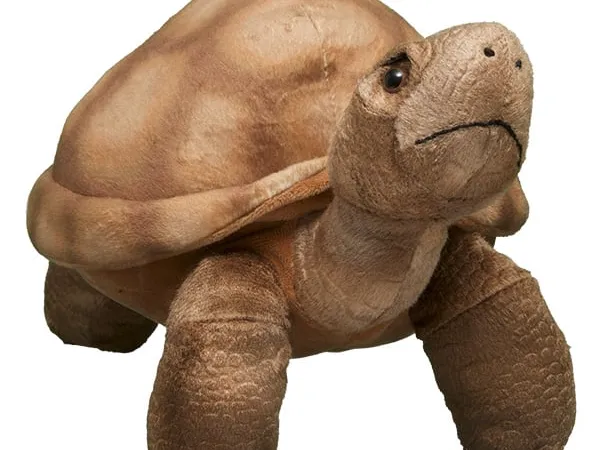
© WWF-US / WWFGifts
Adopt a giant tortoise
Support WWF’s global efforts to protect wild animals and their habitats and choose from kits with plush and more.