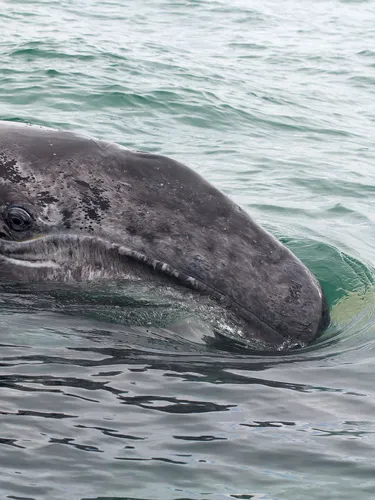
© Shutterstock/SeatonImages
Gray whales
Gray whales have a hump and a ridge of sharp bumps along their backs, instead of a dorsal fin. They are a type of baleen whale, which means they filter food from the water through special bristly structures in their mouths. Gray whales stay close to shore and feed in shallow water. Their well-known migrations take them between feeding and breeding areas, swimming as much as 12,000 miles round-trip.
Critically endangered western gray whales migrate into their summer feeding grounds near Sakhalin Island, Russia, in late May or early June and return to their winter feeding grounds in the South China Sea in late autumn. Summer feeding grounds for the eastern population lie in the Bering and Chukchi Seas between Alaska and Russia. In the winter, these eastern gray whales migrate south along the west coast of the US to Mexico to breed and have their calves.
The calm, warm waters of the lagoons are a safe place for young whales, free from predators like killer whales. Locals here affectionately call gray whales "friendly ones" as they have an unusual tendency to approach whale-watching boats and check out the occupants.
Gray whale facts
- Status Learn more about endangered status categories and explanation
- Least concern
- Population
- About 150
- Scientific name
- Eschrichtius robustus
- Length
- 40–50 ft.
- Habitats
- Oceans
News and stories
Why gray whales matter
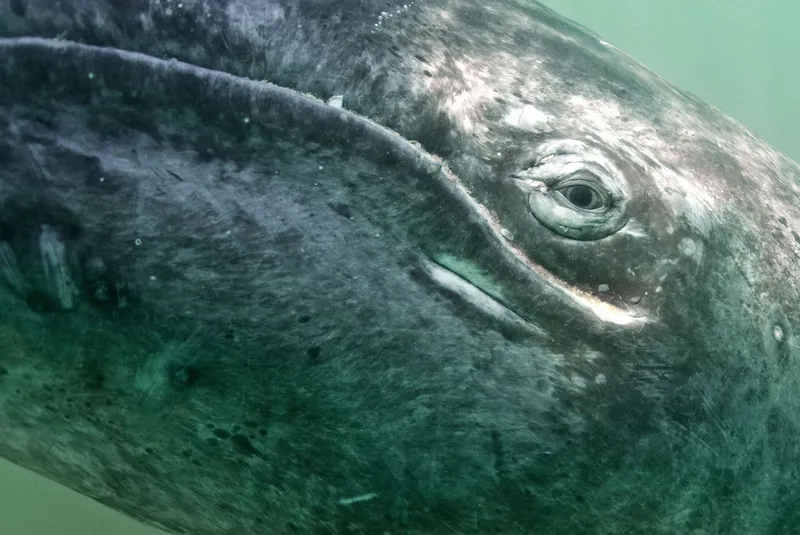
© Gray Whale
Whales are at the top of the food chain and have an important role in the overall health of the marine environment. They are also highly vulnerable to human activities in the ocean. WWF works to ensure they can live and thrive in their natural habitat.
Threats to gray whales

© Vladimir Filonov / WWF-Canon
Oil and gas development, entanglement in fishing gear, and collisions with ships threaten gray whales. The western North Pacific gray whale is on the verge of extinction because of such threats. The waters off Russia’s Sakhalin Island, a main feeding habitat for them in the summer, are being targeted for oil and gas development. In the eastern Pacific Ocean, the potential for oil and gas exploration in the Bering and Chukchi Seas also exists. Whales are very sensitive to noise, and such industrial activities generate massive underwater booms. The gray whale must get an entire year’s worth of food during those summer months, and any disruption could have a significant impact on this process.
How WWF is taking action to protect gray whales
WWF and partners have been instrumental in strengthening protection for the western North Pacific gray whales. We helped restrict seismic surveys that were shown to displace gray whales from their feeding ground and continue to urge the Russian government to establish a gray whale sanctuary off Sakhalin Island.
WWF and other organizations campaigned to stop an offshore oil drilling platform from being built in that critically endangered population's habitat. In October 2013, the energy company announced that it would postpone construction for five years.
Further south, in the Gulf of California, WWF supports a research team that is monitoring the population size and health of the gray whales that return each winter. The team takes photos to identify individuals, collects tissue samples, and records their underwater communication.
Other activities include:
• pushing for stricter environmental standards for offshore oil and gas projects
• engaging a local energy company regarding their operations
• running a public campaign to raise awareness regarding the threats posed by the Sakhalin offshore oil and gas projects
Experts

How you can help
© WWF-US / WWFGifts
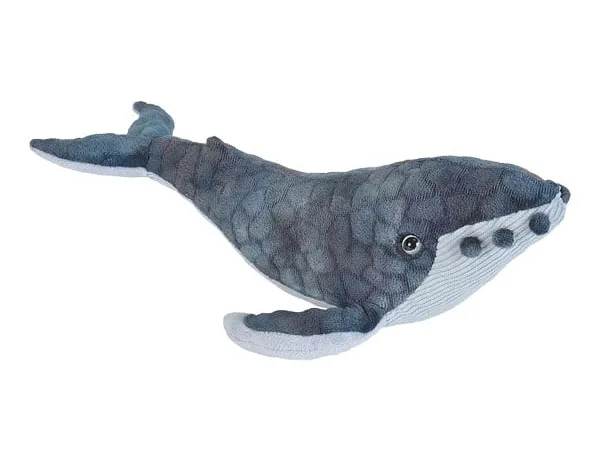
Adopt a humpback whale
Support WWF’s global efforts to protect wild animals and their habitats and choose from kits with plush and more.