© Shutterstock / Luis Cristofori
Humphead wrasses
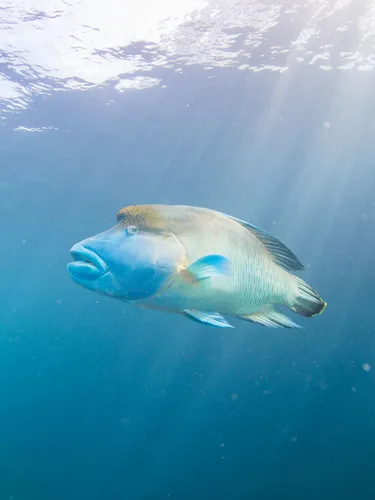
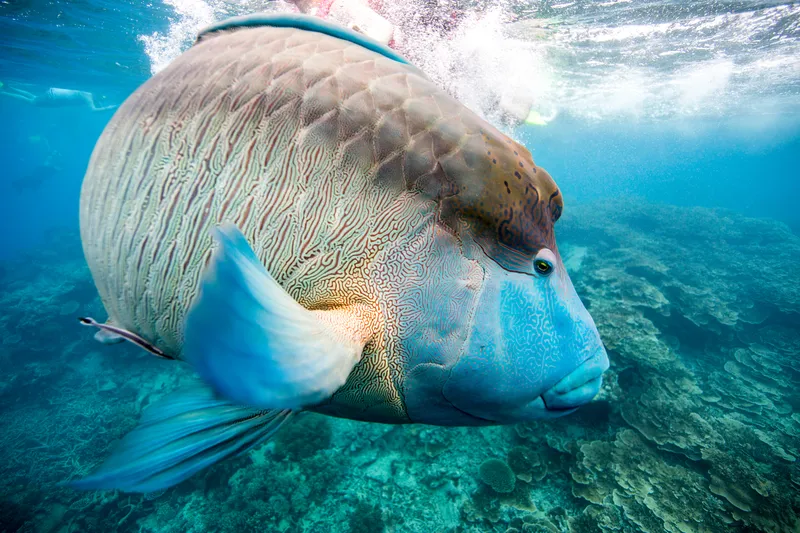
The humphead wrasse is an enormous coral reef fish—growing over six feet long—with a prominent bulge on its forehead. Some of them live to be over 30 years old. They roam through coral reefs in search of hard shelled prey such as mollusks, starfish, or crustaceans.
WWF urges local governments in the Coral Triangle to stop the trade and consumption of humphead wrasse—one of the most expensive live reef fishes in the world. Live reef fish trade in Southeast Asia continues to be a significant problem that threatens the region’s food security as well as its reefs, as poachers often resort to legal and destructive fishing methods to catch them.
Humphead wrasse facts
- Status View status categories and descriptions
- Endangered
- Scientific name
- Cheilinus undulatus
- Weight
- More than 400 pounds
- Length
- 6 feet
- Habitats
- Oceans
Why they matter
© WWF / James Morgan
These fish are very important to coral reef health. They eat crown-of-thorn starfish and therefore keep populations of this damaging coral reef predator in check.
Threats
© Michèle Dépraz / WWF-Canon
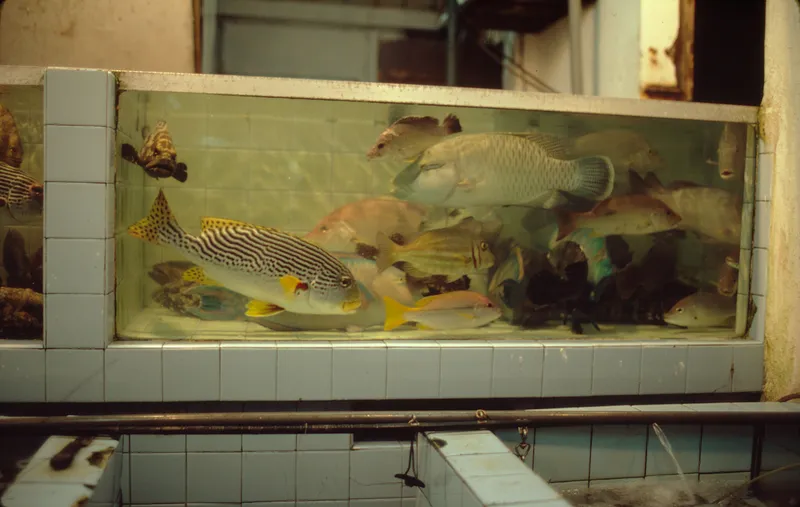
The humphead wrasse is highly vulnerable to overfishing because it’s a valued luxury food as a part of the live reef fish trade predominant across Southeast Asia.
How WWF is taking action
© WWF / James Morgan
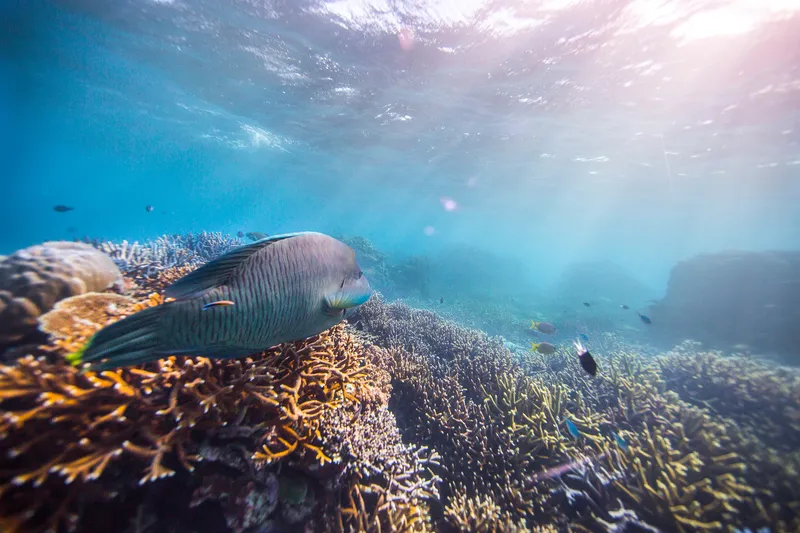
In Malaysia, WWF helped to stop the export of this important fish. We work with partners to repopulate protected coral reefs with wrasses that were formerly intended for sale through a buyback program with local fishermen. Since 2010, over 860 humphead wrasse have been released back into the wild.
How you can help
© WWF
Ocean-themed gifts
Support WWF's global conservation efforts and choose from symbolic adoptions, apparel, and more!