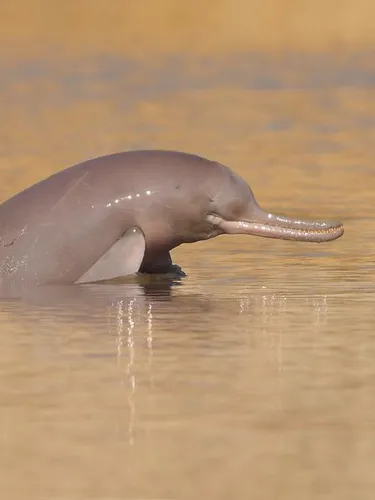
© WWF-Pakistan
Indus River dolphins
Indus River dolphins are believed to have originated in the ancient Tethys Sea. When the sea dried up approximately 50 million years ago, the dolphins were forced to adapt to their only remaining habitat—rivers. Today, they can only be found in the lower parts of the Indus River in Pakistan and in the River Beas, a tributary of the Indus River in Punjab, India. In Pakistan, their numbers declined dramatically after the construction of an irrigation system, and most dolphins are confined to a 750-mile stretch of the river and are divided into isolated populations by six barrages. They have adapted to life in the muddy river and are functionally blind. They rely on echolocation to navigate, communicate, and hunt prey, including prawns, catfish, and carp.
Indus river dolphins are found in Pakistan and the River Beas, a tributary of the Indus River in Punjab, India. The dolphin is the state aquatic animal of Punjab, and WWF-India is working towards its conservation. The River Beas is the only habitat of the Indus River Dolphin in India. Like other freshwater dolphins, the Indus river dolphin is an important indicator of the health of a river.
Indus River dolphin facts
- Status Learn more about endangered status categories and explanation
- Endangered
- Population
- 1,816
- Scientific name
- Platanista minor
- Weight
- 155–245 lbs.
- Length
- 8.2 ft.
News and stories
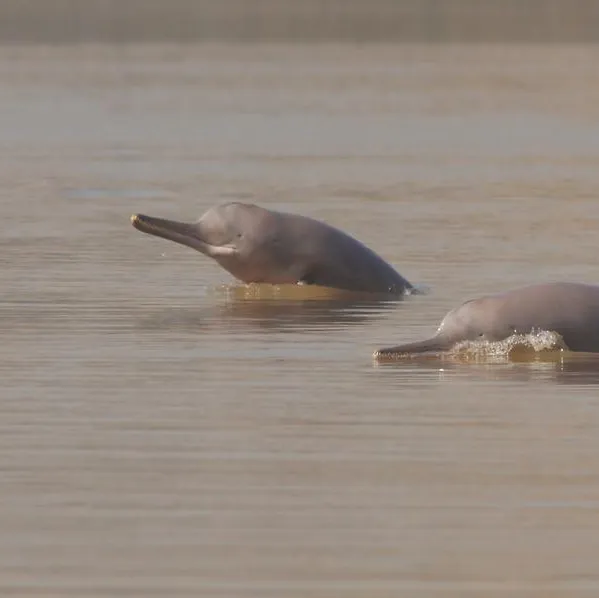
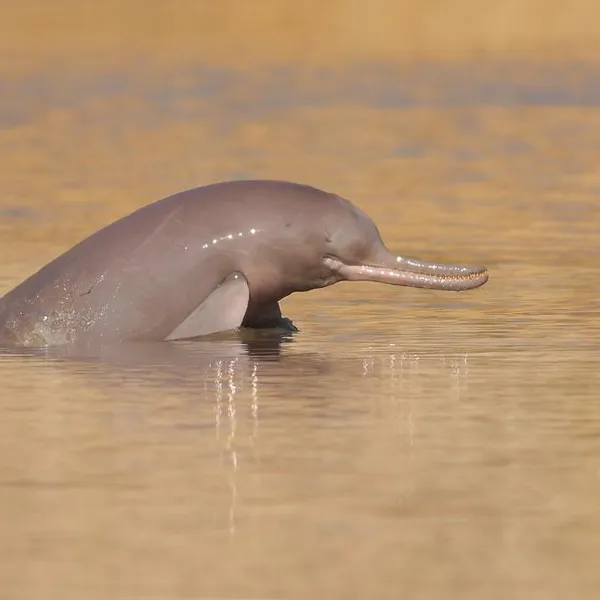
Threats to Indus River dolphins

© WWF-Pakistan
The main reason for the initial decline of the Indus river dolphin population was the construction of numerous dams and barrages that began in the 1930s. This construction split the population into small groups, degraded their habitat, and impeded migration. Now the major threats include accidental capture in fishing nets, plus they are hunted for their meat, oil, and for use in traditional medicines.
Habitat fragmentation and loss
The construction of barrages has resulted in habitat fragmentation. Dolphins are no longer found in the lower parts of the Indus River due to water extraction, which dries up downstream channels for several months each year. Some dolphins that have moved downstream are unable to swim back upstream because of strong currents and barrages.
Over 37,000 miles of irrigation canals lead to dolphins becoming stranded in the irrigation canals, and because these instances usually go unreported and many Indus river dolphins die without being rescued.
Hunting
Some communities that rely heavily on fishing think of the Indus River dolphin as competition for fish, so poaching still occurs sporadically despite a ban on hunting.
Bycatch
Fishing nets are set for extended hours and often overnight. Dolphins get trapped in the nets and drown. This accidental capture of the dolphins is known as bycatch.
Pollution
Untreated sewage from communities that reside along irrigation canals and the banks of the Indus River directly pollutes the water. Washing clothes and utensils in the river also causes pollution. Industrial pollution has allegedly caused a massive quantity of fish deaths in urban areas, which affects the Indus river dolphins’ food supply. Pesticides from sugarcane and cotton crops also pollute the riverbank.
How WWF is taking action to protect Indus River dolphins

© WWF-Pakistan
Reducing pollution
WWF and the Sindh Agriculture Extension Department improve agricultural practices near the dolphin habitat to reduce pollution in the Indus River. Farmer Field Schools are used to create widespread awareness among farming communities about how inappropriate irrigation practices and the indiscriminate use of toxic chemicals affect dolphins. Experts work with participating farmers to demonstrate the benefits of using less water and chemicals on cash crops like cotton.
Education and rescue
Since 2000, WWF and the Sindh Wildlife Department have rescued 80 dolphins from irrigation canals. WWF also educates fishermen who are engaged in promoting ecotourism activities, particularly dolphin watches, about the importance of protecting the Indus river dolphin.
Research and monitoring
WWF monitors the Indus river dolphin populations and tracks their movements with radio tags. These tags revealed for the first time that the dolphins can cross the barrage gates in both upstream and downstream directions. In 2001, WWF coordinated the largest Indus river dolphin survey ever conducted.
How you can help
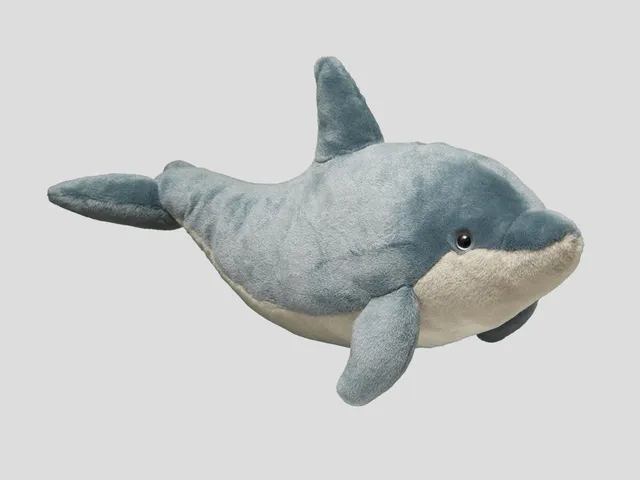
© WWF-US / WWFGifts
Adopt a dolphin
Support WWF’s global efforts to protect wild animals and their habitats and choose from kits with plush and more.