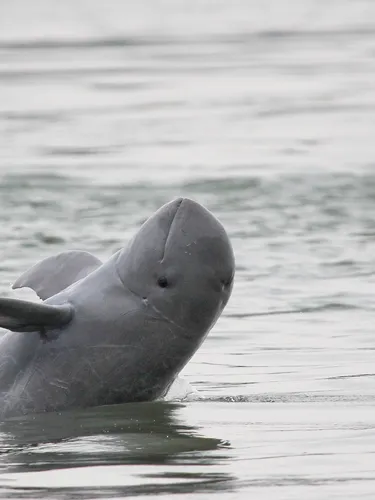
© CAMBODIA WWF/GERRY RYAN/WWF-GREATER MEKONG
Irrawaddy dolphins
Irrawaddy dolphins are found in coastal areas in South and Southeast Asia, and in three rivers: the Ayeyarwady (Myanmar), the Mahakam (Indonesian Borneo) and the Mekong. The Mekong River Irrawaddy dolphins inhabit a 118-mile stretch of the river between Cambodia and Lao PDR and are scarce—just 92 individuals are estimated to still exist. These dolphins have a bulging forehead, short beak, and 12-19 teeth on each side of both jaws.
Irrawaddy dolphin facts
- Status Learn more about endangered status categories and explanation
- Endangered
- Scientific name
- Orcaella brevirostris
- Weight
- 198–440 pounds
- Length
- 5.9–9 feet
- Habitats
- Lakes, rivers, estuaries, and coasts
Why Irrawaddy dolphins matter
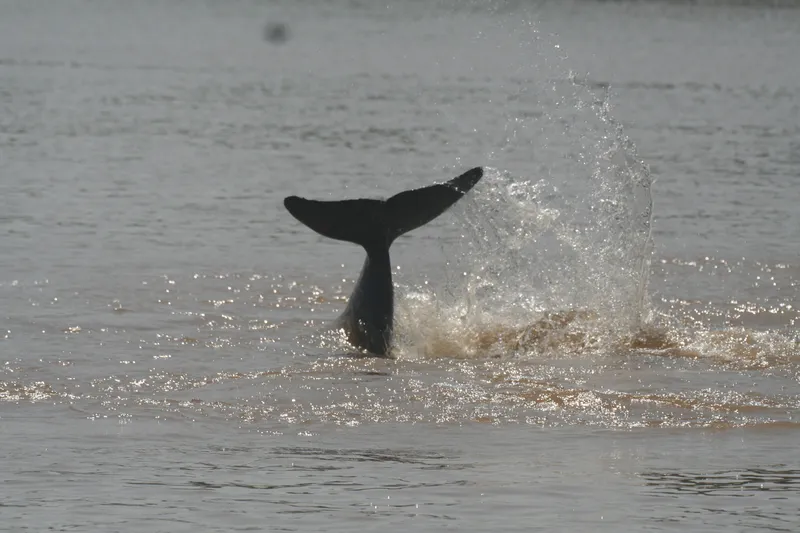
© Fernando TRUJILLO / WWF-Greater Mekong
The protection of the Irrawaddy dolphin is crucial for the overall health of the Mekong River—home to an estimated 1,100 species of fish. The Irrawaddy dolphin is also regarded as a sacred animal by both Khmer and Lao people, and is an important source of income and jobs for communities involved in dolphin-watching ecotourism.
Threats to Irrawaddy dolphins

© Adam Oswell / WWF-Greater Mekong
Irrawaddy dolphins are primarily threatened by bycatch, the accidental capture of aquatic animals in fishing gear.
How WWF is taking action to protect Irrawaddy dolphins
Conducting research
WWF conducts research to learn about dolphin mortality, population and ecology. Each year, the Cambodian Mekong Dolphin Conservation Project conducts at least two population surveys of Irrawaddy dolphins in the Mekong River. Surveys are usually conducted in March to May when dolphins congregate around deep pool areas in the low water.

© Jürgen Freund / WWF-Canon
Collaborating to address threats
WWF collaborates with The Coca-Cola Company and local residents to address impacts from climate change in the Mekong River Basin through habitat restoration, infrastructure improvements and influencing local policy.
Stopping illegal wildlife trade
In 2004, WWF and TRAFFIC, the world’s largest wildlife trade monitoring network, supported a ban on the international live trade of Irrawaddy dolphins by the Convention on International Trade in Endangered Species of Wild Fauna and Flora (CITES).
Working with communities
WWF teaches local communities about dolphin and environmental conservation issues, as well as developing community fishery management zones to help sustainably manage fish and conserve dolphins. We also support alternative livelihood development such as aquaculture, chicken raising and home-gardens, to reduce fishing pressure and bycatch of dolphins, as well as alleviate poverty in riverside communities.
How you can help
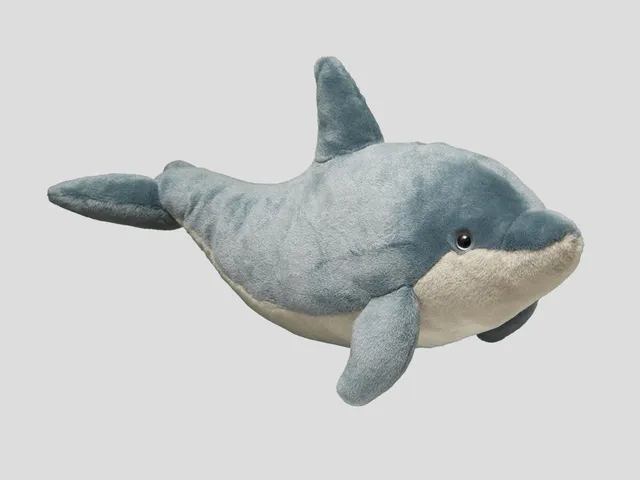
© WWF-US / WWFGifts
Adopt a dolphin
Support WWF’s global efforts to protect wild animals and their habitats and choose from kits with plush and more.