© Andrew S. Wright
Pacific salmon
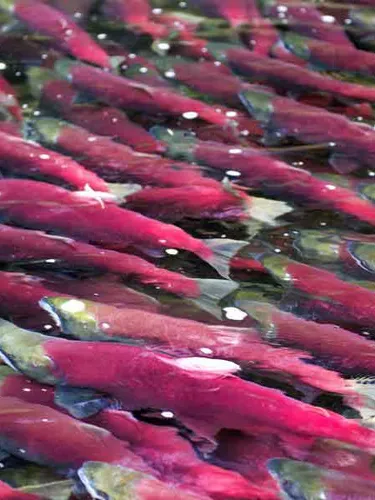
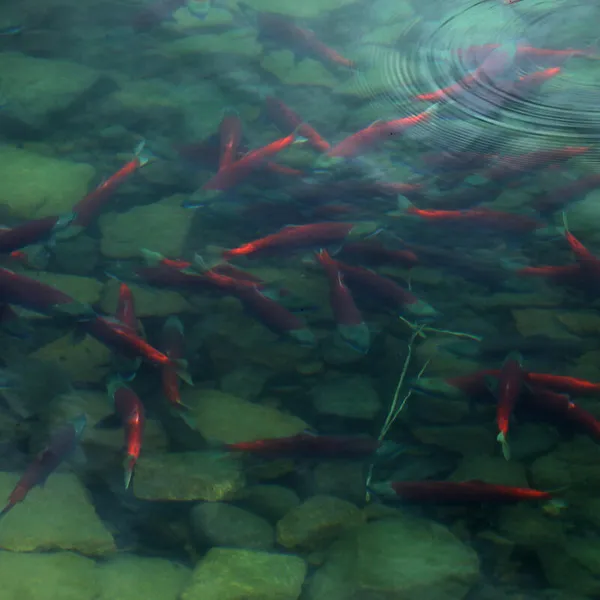
Five species of Pacific salmon thrive in the North Pacific waters of the US and Canada: chinook (also called king), coho, pink, sockeye, and chum salmon. They begin their lives in freshwater streams, lakes, and rivers and migrate to the sea as small fish called smolts. After they transition from fresh to salt water and grow into adults in the high seas of the North Pacific Ocean, a biological clock tells the salmon when it's time to return to the place of their birth to spawn a new generation. For the indigenous people of the Pacific Rim, salmon are a primary source of protein and also a part of their culture. Native groups celebrate the first return of salmon and individuals catch and store salmon for their families to eat all winter.
Salmon play a major role in many economies. The North Pacific provides the primary source of wild salmon that are harvested commercially and eaten in homes and restaurants all over the world. The Alaska salmon fishery, responsible for around 90% of wild caught salmon in North America, is certified by the Marine Stewardship Council.
At a glance
- Habitats
- Lakes and rivers, oceans
News and stories
Why Pacific salmon matter
© Kevin Schafer
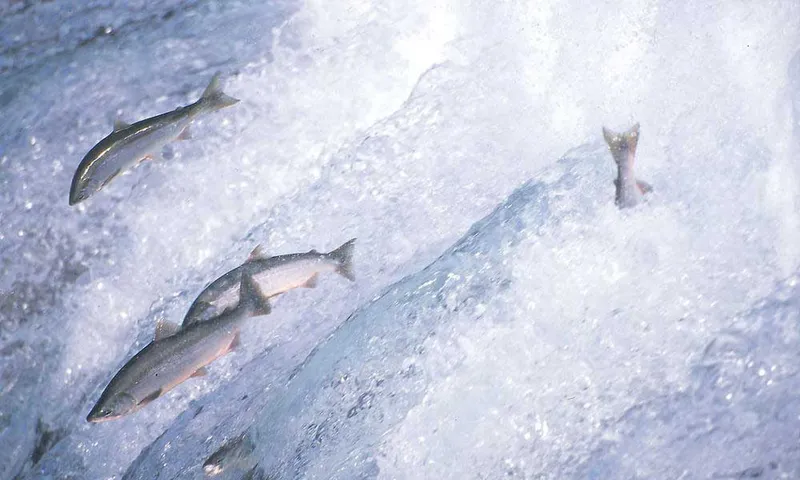
Pacific salmon enrich terrestrial and freshwater ecosystems with essential marine-based nutrients when they complete their lifecycle. Salmon are economically and culturally important around the world.
Threats to Pacific salmon
© Kevin Schafer
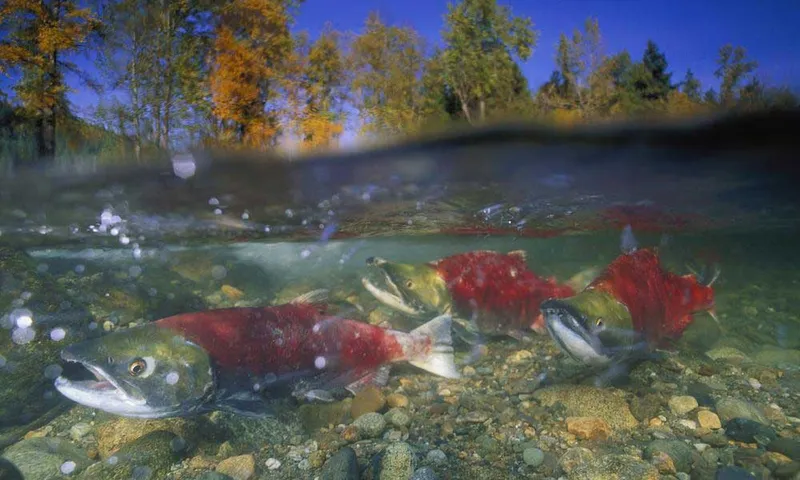
Threats to wild Pacific salmon include illegal harvest (poaching), habitat destruction from development and mining activities, dams and other blockages in rivers, unregulated overharvesting, and a rapidly changing climate.
How WWF is taking action to protect Pacific salmon
© Scott Dickerson
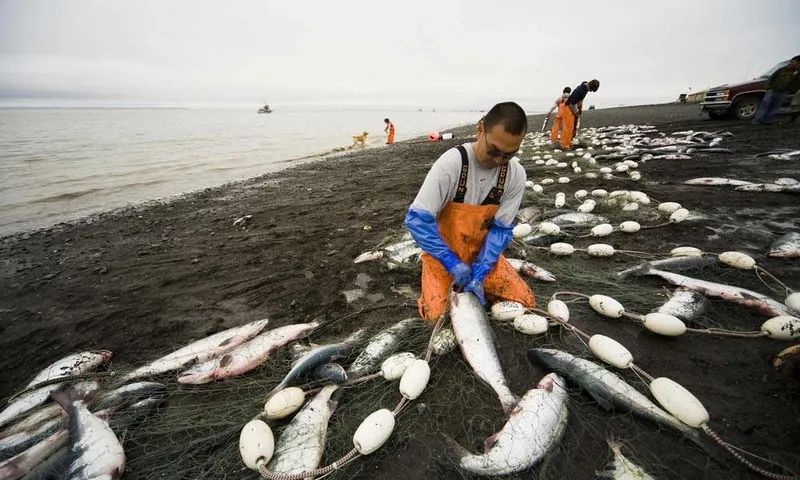
WWF advocates for oil spill prevention, spill response, and shipping safety measures as a precondition for offshore oil development. WWF promotes the concept of sustainable seafood to fisheries, retailers, and consumers and rewards sustainable fishing practices. We combat illegal fishing, promote well-managed fisheries, and argue for more effective control of farmed salmon. We are working to protect key spawning areas by stopping the creation of Pebble Mine, the largest open-pit mine in North America.
How you can help
© George Walsh
Strengthen the Endangered Species Act
More than 99% of the species listed under the Endangered Species Act have avoided extinction due to the law’s protections. Today, those protections are under threat — at the exact moment wildlife needs them most.