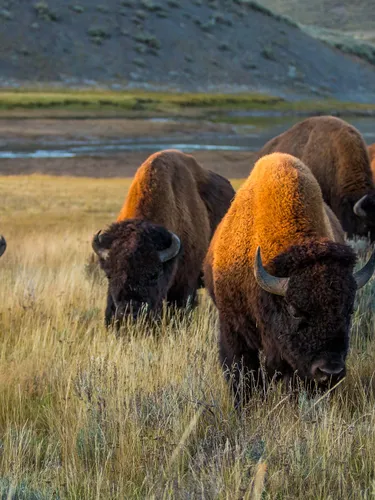
© Thomas Szajner
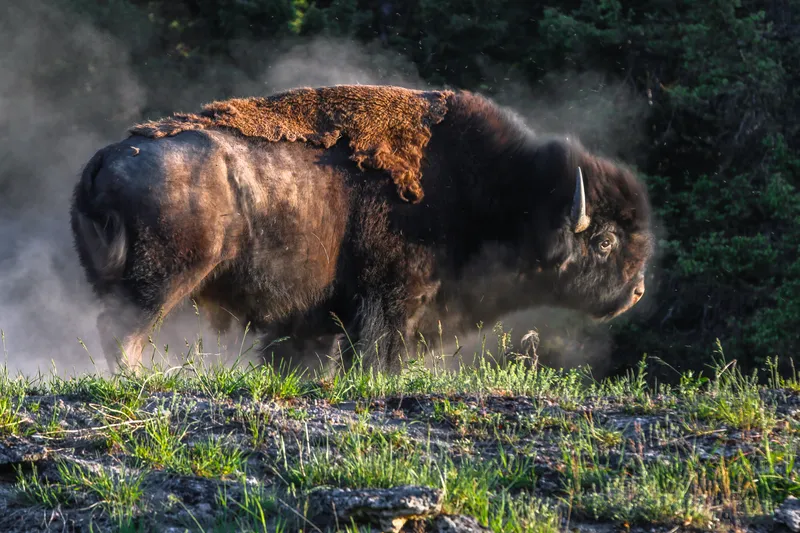
Plains bison
Prior to European colonization, plains bison are estimated to have numbered between 30 million and 60 million animals and were the widest-ranging large mammal in North America. Bison were (and remain) central in the lives and traditions of many Native nations and an umbrella species for many plants and animals sharing its habitat. By 1889, only 512 plains bison remained after the ravages of westward expansion, market demand, and a deliberate effort by the US government to eliminate the bison to subdue the Native people who relied so heavily upon them. In response to their tragic decline, conservationists and Indigenous peoples successfully brought the plains bison back from the brink of extinction.
Thanks to their efforts, by 1935, the population had risen to approximately 20,000 bison, and many were restored as wildlife to refuges and parks throughout North America. In honor of the role that this majestic species plays as an icon for the lands and people of the United States, the bison was formally designated as the national mammal in 2016. However, much work remains to restore bison populations. In fact, the number of bison held in “conservation herds” is currently no greater than it was in 1935.
WWF partners with Native communities seeking to restore bison to their lands. Our goal is to support bison restoration efforts that foster community benefits such as increased access to bison and ecological and economic sustainability. Currently, WWF works closely with partners such as the Fort Peck Assiniboine and Sioux Tribes, Fort Belknap Indian Community, and the Sicangu Lakota Nation in support of the expressed values, needs, and aspirations of these communities. Additionally, WWF works with the US National Park Service and Parks Canada on bison restoration efforts.
Plains bison facts
- Status Learn more about endangered status categories and explanation
- Near threatened
- Population
- 45,000
- Scientific name
- Bison bison bison
- Weight
- 701–2,000 lbs.
- Length
- 7–12 ft.
- Habitats
- Grasslands
News and stories
Why plains bison matter
© Thomas Szajner
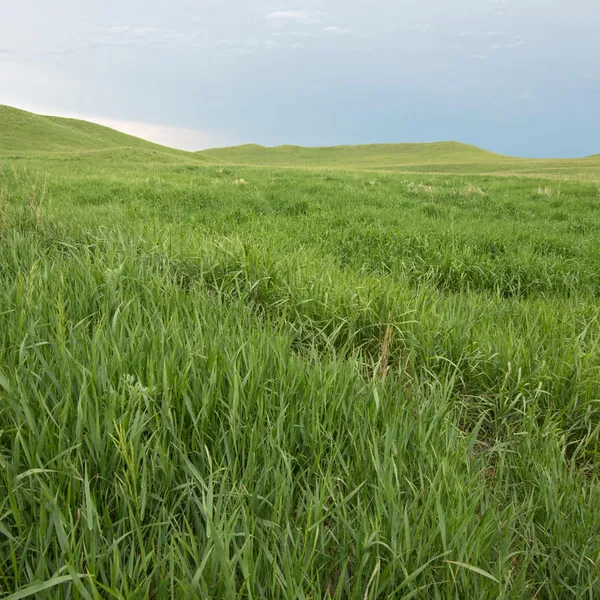
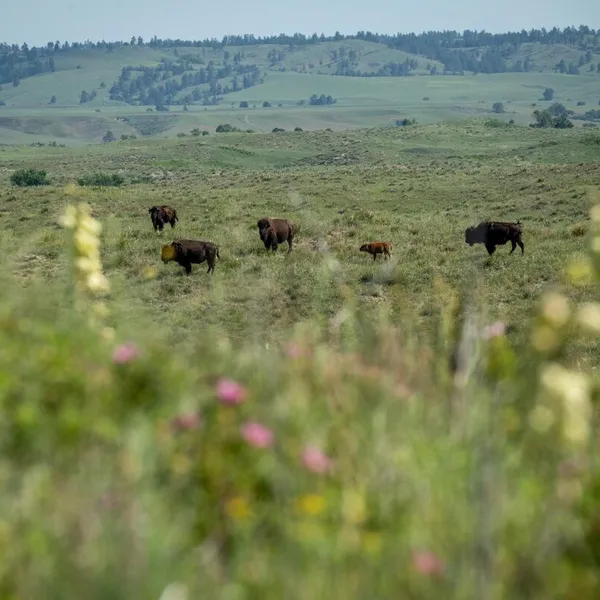
Historically, bison were the dominant grazer on the Northern Great Plains landscape. This dominance shaped the landscape by affecting the pattern and structure of the grasses and vegetation that grew. Expansive areas of native grasslands allowed animals to flourish, along with many species of other prairie wildlife.
Threats to plains bison

© WWF-US / Tom Lalley
Habitat loss
The plains bison is the largest land mammal in North America, with some adult bulls weighing more than 2,000 pounds. Tens of millions of these iconic animals once roamed across much of North America. Today, the largest remaining wild herd of approximately 4,500 individuals can be found in Yellowstone National Park. Large North American grazers, including the plains bison, traditionally roamed across millions of acres, which kept the grasslands and herds healthy and diverse. However, early settlement and current land use by present-day communities have redefined where these large animals are able to roam. WWF’s Great Plains program is working with National Parks, native tribal communities, and its ranching partners to find common ground on returning bison to suitable intact prairie landscapes.
Genetics
An overall population of just over 20,000 plains bison is managed as wildlife in North America, and the small herd size among them contributes to the ongoing loss of genetic diversity. Therefore, long-term conservation of existing diversity is at risk. Early 20th-century experiments to interbreed bison and cattle with the goal of producing heartier livestock have also had an impact on population viability. At present, there are only believed to be two public bison herds that have not shown evidence of interbreeding with cattle to date: Yellowstone National Park and Elk Island National Park in Canada. Conservation groups have been working hard to establish additional herds elsewhere to safeguard these valuable genetics should a catastrophic event (e.g., a disease outbreak) threaten these source herds.

© Dennis Lingohr / WWF
Social and political support for bison reintroduction
A limited constituency for public bison herds in rural regions of the plains, where opportunities for restoration on intact grasslands at scale are most feasible, makes a universal strategy for reintroduction challenging. In addition, there is narrow support for restoring bison as wildlife within the sporting community because broad exposure to bison as wildlife has been limited over the past century. Both affect progress in the political arena. For this reason, WWF seeks opportunities with partners and communities who embrace the reintroduction or expansion of bison populations, including Tribes and National Parks.
Podcast: Bringing buffalo back
Once nearly wiped out, the plains bison, or buffalo, as they are often called by Native Americans, are returning to the Great Plains—and with them, a powerful story of cultural renewal, ecological restoration, and Indigenous leadership. In this episode of Nature Breaking, WWF’s Heather Dawn Thompson (a citizen of the Cheyenne River Sioux Tribe) shares how Native Nations are leading efforts to restore buffalo populations, reclaim food sovereignty, and heal the land. From spiritual connections to practical conservation, this interview explores how buffalo are more than just wildlife—they are relatives, providers, and symbols of resilience.
How WWF is taking action to protect plains bison

© Thomas Szajner
WWF partners with Native nations to return bison herds and increase the communal benefits of Indigenous lands. Together, these two objectives contribute to the health and prosperity of Indigenous communities while creating the opportunity to renew traditional lifeways and restore the buffalo economy that has sustained Native people since time immemorial.
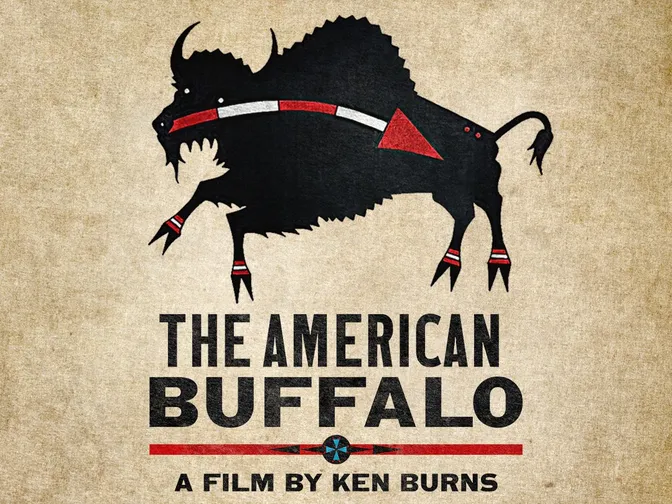
Want to learn more about plains bison?
The American Buffalo, a documentary by Ken Burns, is now streaming on pbs.org.
© PBS
Experts


How you can help
© WWF-US/Clay Bolt
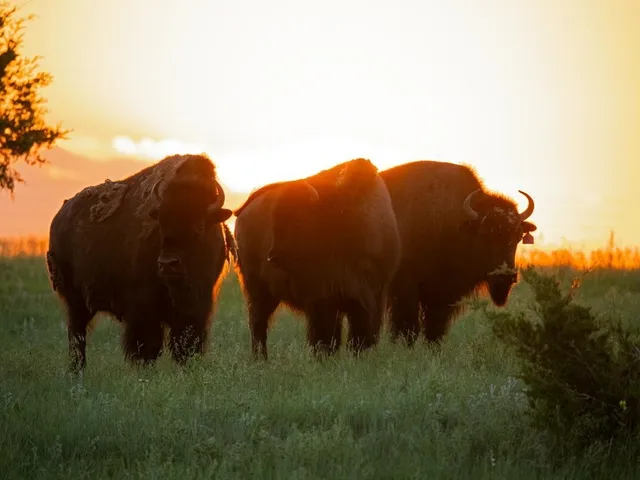
Support Tribes restore buffalo to the Great Plains
The Indian Buffalo Management Act would strengthen support for Tribal Nations who are working to bring buffalo back from the brink of extinction.