© _
Red pandas
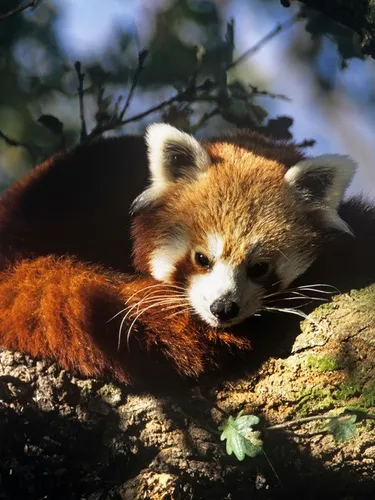
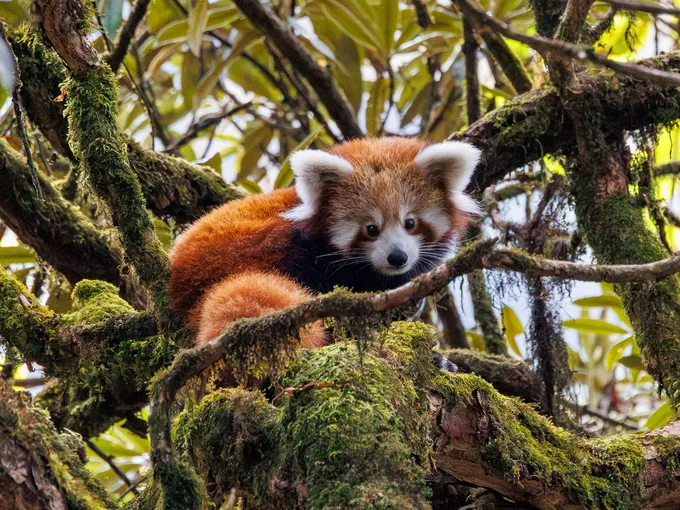
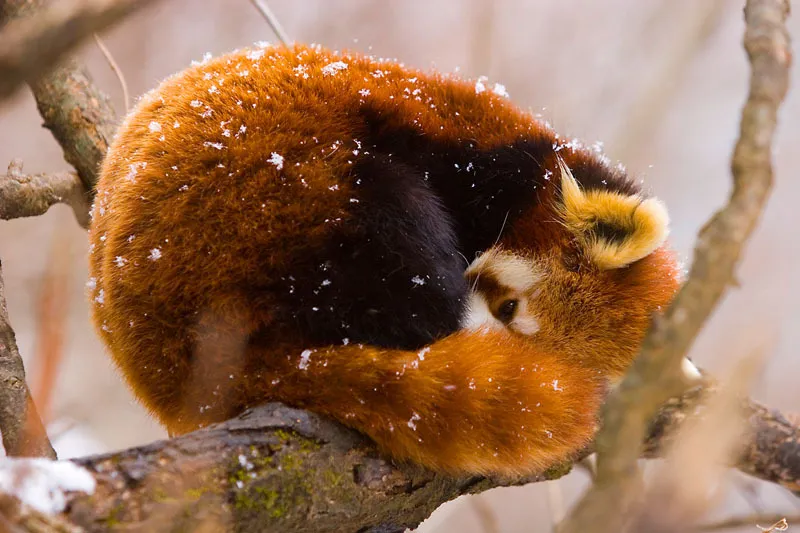
The red panda is slightly larger than a domestic cat, with a bear-like body and thick russet fur. The belly and limbs are black, and there are white markings on the side of the head and above its small eyes. Red pandas are very skillful and acrobatic animals that predominantly stay in trees. Almost 50% of the red panda’s habitat is in the Eastern Himalayas. They use their long, bushy tails for balance and to cover themselves in winter, presumably for warmth. Primarily an herbivore, the name panda is said to come from the Nepali word ‘ponya,’ which means bamboo or plant-eating animal.
Explore more red panda facts.
Red panda facts
- Status Learn more about endangered status categories and explanation
- Endangered
- Population
- About 10,000
- Scientific name
- Ailurus fulgens
- Height
- 2 ft.
- Habitats
- Temperate forests
News and stories
-
Through advocacy work with farmers, students, and monks, WWF is raising awareness about this endangered species.
Why red pandas matter
© naturepl.com / Juan Carlos Munoz / WWF-Canon
Almost 50% of the red panda’s habitat is in the Eastern Himalayas. The loss of nesting trees and bamboo is causing a decline in red panda populations across much of their range because their forest home is being cleared.
Threats to red pandas

© Simon de TREY-WHITE / WWF-UK
Red pandas are often killed when they get caught in traps meant for other animals such as wild pigs and deer. They are also poached for their distinctive pelts in China and Myanmar. Red panda fur caps or hats have been found for sale in Bhutan.
How WWF is taking action to protect red pandas

© Tashi Tshering/WWF Bhutan
Monitoring red pandas
WWF monitors red pandas and their habitat across India, Nepal, and Bhutan to better understand the species. In 2011, our work helped the government in the Indian state of Sikkim declare that the state held an estimated 300 red pandas. WWF also examines the feasibility of reintroducing red pandas to create populations in identified sites within Sikkim.
Creating community awareness
Approximately 38% of the total potential red panda habitat is in Nepal. We work with yak herders and other community groups to reduce human impact on the red panda’s fragile habitat. Any person found guilty of killing, buying, or selling red pandas faces a fine of up to $1,000 and/or up to 10 years in jail. Other community initiatives to stop the hunting and capture of red pandas for income include:
- Making yak dung briquettes. These provide an alternative way to generate income and can be used for fuel instead of cutting down red panda habitat for wood.
- Creating tourism packages. Attracting tourists provides an alternative method for generating income.
How you can help
© George Walsh
Strengthen the Endangered Species Act
More than 99% of the species listed under the Endangered Species Act have avoided extinction due to the law’s protections. Today, those protections are under threat — at the exact moment wildlife needs them most.