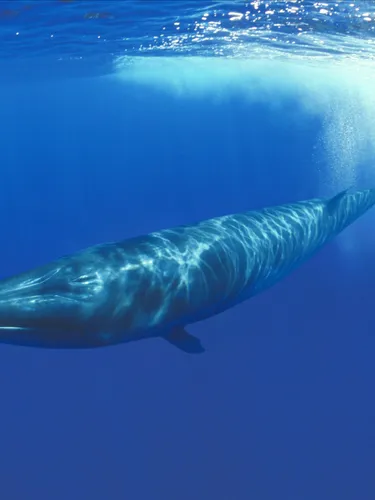
© naturepl.com /Doug Perrine / WWF
Sei whales
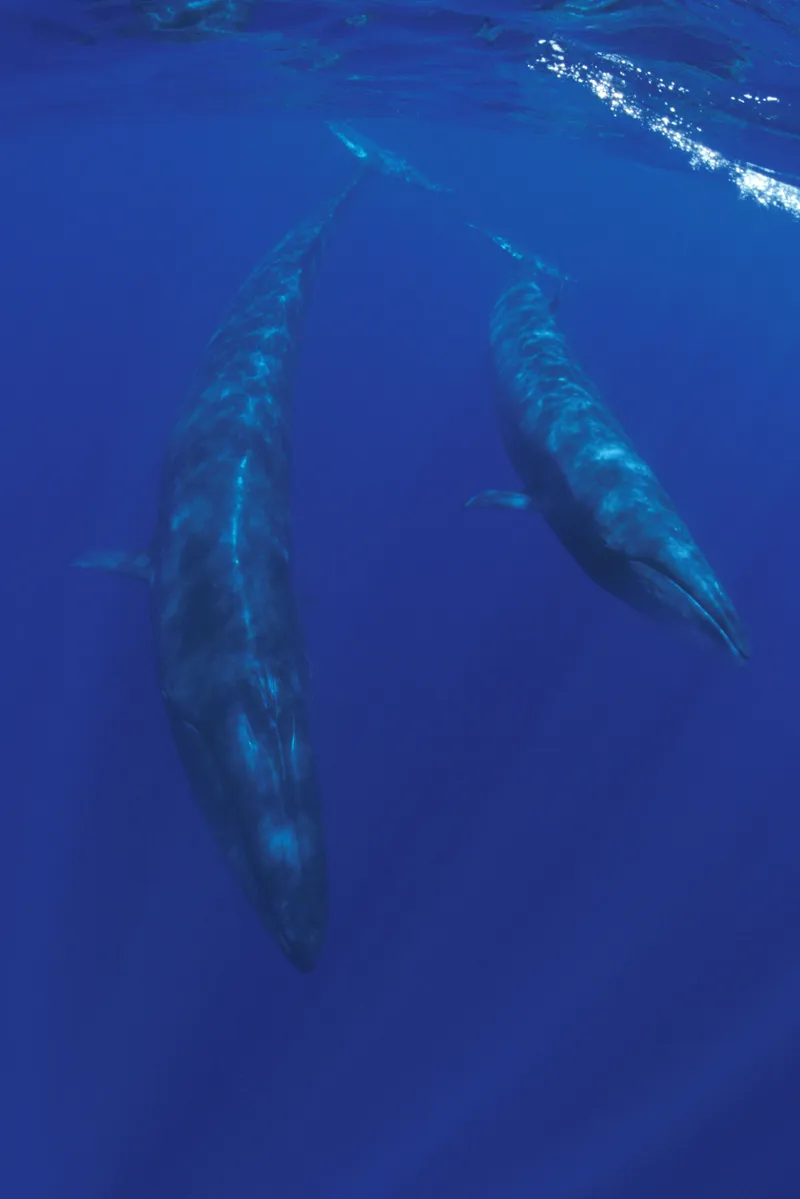
The sei whale is one of the fastest whales, reaching speeds of up to 30 miles per hour. Sei whales inhabit all oceans and adjoining seas except in tropical and polar regions. Like other great whales, they prefer to spend the summer feeding in cooler waters before migrating to warmer waters to breed and give birth to their calves.
Sei whale facts
- Status Learn more about endangered status categories and explanation
- Endangered
- Scientific name
- Balaenoptera borealis
- Weight
- About 20 tons
- Length
- 45–66 ft.
- Habitats
- Oceans
News and stories
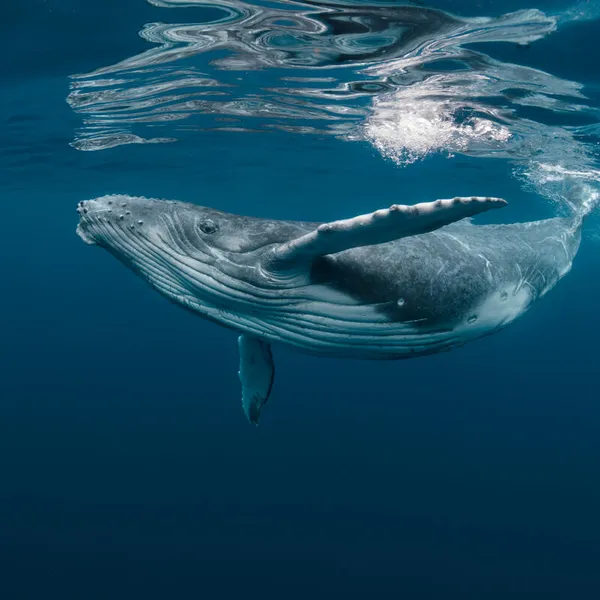
Why sei whales matter
© naturepl.com /Doug Perrine / WWF
Whales are at the top of the food chain and have an important role in the overall health of the marine environment. They are also highly vulnerable to human activities in the ocean. The sei whale became a major target for commercial whaling after the preferred stocks of blue and fin whales had been depleted. Today, although commercial whaling has been officially halted, the species is subject to "scientific whaling" by Japan—that is, killing whales for scientific research.
Threats to sei whales

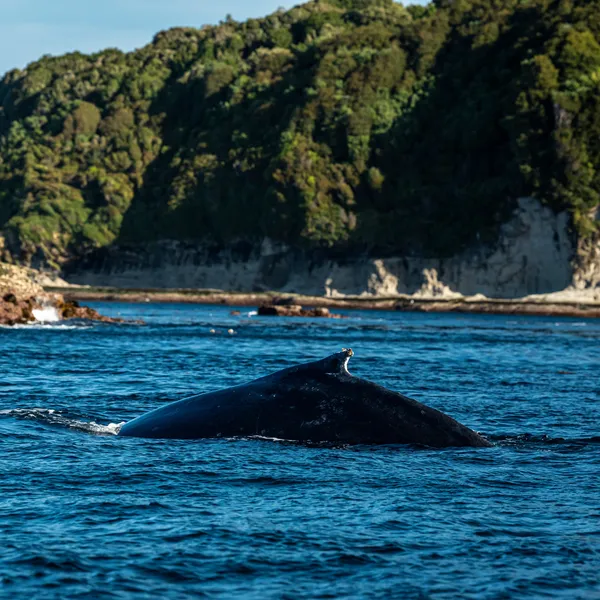
© Morten Lindhard / WWF-Canon
While the sei whale has been hunted by humans since the 1860s, it wasn't until the 1950s and 1960s, and the declining availability of blue and fin whales, that the killings seriously expanded.
Since 1986, the International Whaling Commission (IWC) has officially halted all commercial whaling. However, 50 sei whales are killed annually by Japanese whalers in the North Pacific under Japan's "scientific" whaling program.
Whales are threatened by climate change and can also be harmed by pollution, shipping strikes, and entanglement in fishing gear.
How WWF is taking action to protect sei whales

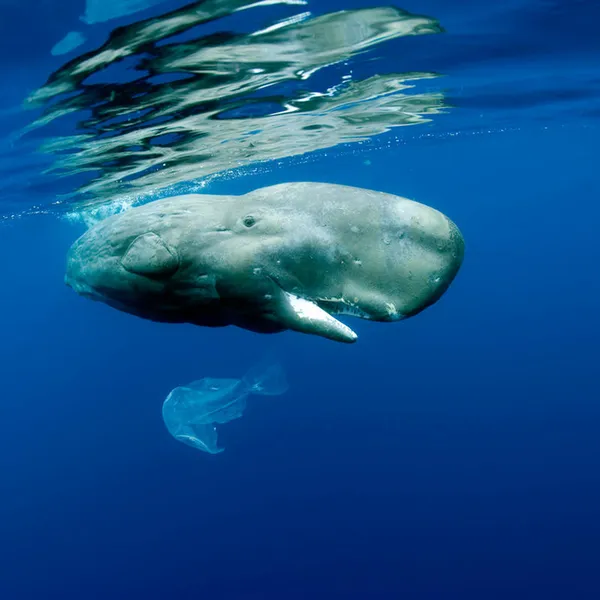
© James Frankham / WWF-Canon
The International Whaling Commission (IWC) is the body charged with regulating whaling and addressing the vast number of other threats to whales, dolphins, and porpoises in our oceans, such as shipping, climate change, and bycatch. WWF works to make the IWC more effective in reducing threats to whales.
Experts

How you can help
© WWF-US / WWFGifts
Adopt a humpback whale
Support WWF’s global efforts to protect wild animals and their habitats and choose from kits with plush and more.