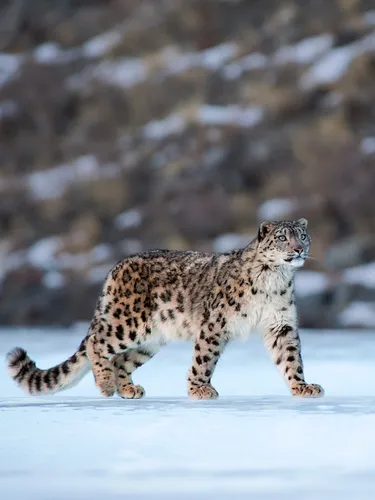
© naturepl.com / Valeriy Maleev / WWF
Snow leopards
Snow leopards have evolved to live in some of the harshest conditions on Earth. Their thick white-gray coat, spotted with large black rosettes, blends in perfectly with Asia’s steep and rocky, high mountains. Because of their incredible natural camouflage, rendering them almost invisible in their surroundings, snow leopards are often referred to as the “ghost of the mountains.”
The snow leopard’s powerful build allows it to scale great, steep slopes with ease. Its hind legs give the snow leopard the ability to leap six times the length of its body. A long tail enables agility, provides balance, and wraps around the resting snow leopard as protection from the cold.
For millennia, this magnificent cat was the king of the mountains. The mountains were rich with their prey, such as blue sheep, Argali wild sheep, ibex, marmots, pika,s and hares. The snow leopard’s habitat range extends across the mountainous regions of 12 countries across Asia: Afghanistan, Bhutan, China, India, Kazakhstan, Kyrgyz Republic, Mongolia, Nepal, Pakistan, Russia, Tajikistan, and Uzbekistan. The total range covers an area of close to 772,204 square miles, with 60% of the habitat found in China. However, more than 70% of snow leopard habitat remains unexplored. Home range sizes can vary from 4.6-15.4 square miles in Nepal to over 193 square miles in Mongolia. And population density can range from <0.1 to 10 or more individuals per 38.6 square miles, depending on prey densities and habitat quality. Nevertheless, the snow leopard population is very likely declining.
Snow leopard facts
- Status Learn more about endangered status categories and explanation
- Vulnerable
- Population
- 4,000–6,500
- Scientific name
- Panthera uncia
- Weight
- 60–120 lbs.
- Length
- 2–5 ft.
- Habitats
- High mountains
News and stories
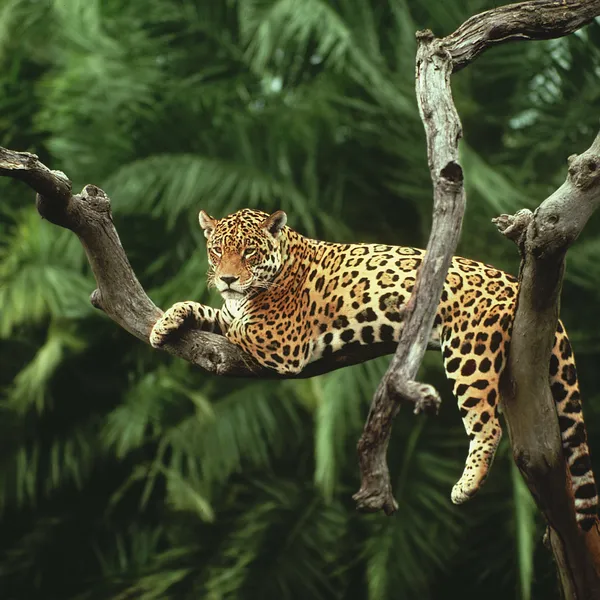
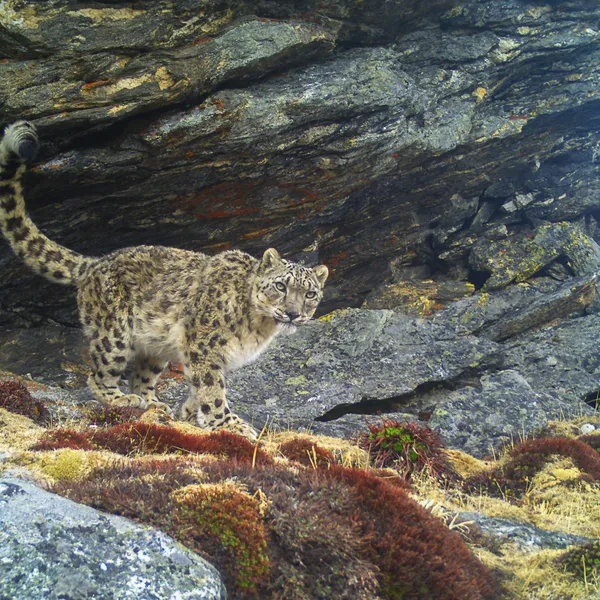
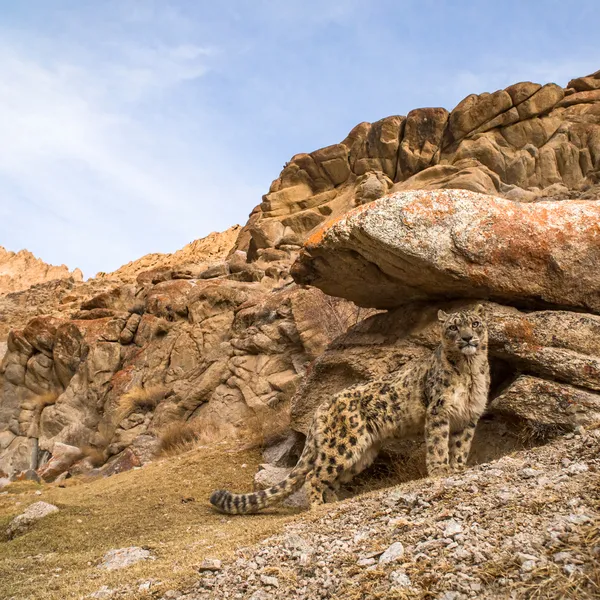
Why snow leopards matter
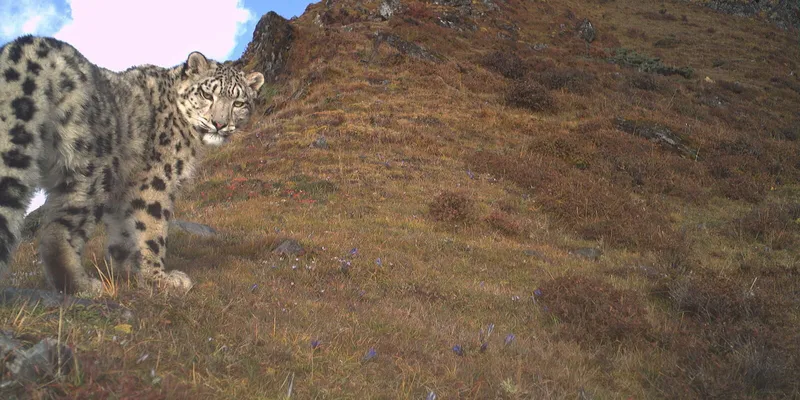
© Department of Forests and Park Services, MoENR Bhutan
Snow leopards play a key role as a top predator, an indicator of the health of their high-altitude habitat, and, increasingly, an important indicator of the impacts of climate change on mountain environments. If snow leopards thrive, so will countless other species and the largest freshwater reservoirs of the planet.
Threats to snow leopards

© BOGOMOLOV Denis / WWF-Russia
The sole predator of snow leopards? Humans. Poaching, habitat loss, declines in natural prey species, and retaliatory killings resulting from human-wildlife conflict are the main reasons this big cat is under threat.
The other major impact on snow leopard survival is the climate crisis. Rising global temperatures can severely impact alpine habitat productivity, which in turn can impact prey and freshwater availability in the harsh mountainous environment.
Climate crisis
The climate crisis poses perhaps the greatest long-term threat to snow leopards. Impacts from a warming planet could result in a loss of up to 30% of the snow leopard habitat in the Himalayas alone.
Illegal wildlife trade
Across most rangelands, wildlife population densities have been declining due to the illegal wildlife trade. Snow leopards are poached for the illegal trade. They have long been killed for their beautiful fur, but their bones and other body parts are also used in traditional medicine. And this illegal trade seems to be increasing due to market demand for their parts.
Retaliatory killings
Snow leopards are often killed by local farmers and herders as a result of human-wildlife conflict, which occurs when the leopards prey on livestock such as sheep, goats, horses, and yak calves. The animals that snow leopards would typically hunt—such as the Argali and blue sheep—are also hunted by local communities. Snow leopards also lose out on habitat and food sources to livestock. As their natural prey becomes harder to find, snow leopards are forced to kill livestock for survival.
Habitat fragmentation
The snow leopard habitat range continues to decline from the impacts of the climate crisis, human disturbance, and increased use of grazing space. This development increasingly fragments the historic range of the species.
How WWF is taking action to protect snow leopards

© Anton Vorauer / WWF-Canon
WWF’s work focuses on managing human-leopard conflict, raising awareness, addressing mining, reducing the impacts of linear infrastructure development in fragile snow leopard habitats, and addressing the illegal wildlife trade.
Stopping illegal trade
WWF supports mobile antipoaching activities as a way to curb the poaching of snow leopards and their prey. We work through long-standing cooperative partnerships with governments, enforcement agencies, local communities, and conservation organizations to stop wildlife criminal networks and the illegal trade of snow leopard fur, bones, and other body parts. WWF also works with global e-commerce, social media, and technology companies through the Coalition to End Wildlife Trafficking Online to address the trade in snow leopard and big cat products, among other wildlife crimes, on web-based platforms.

© Sascha Fonseca / WWF-UK
Working with communities
WWF understands there are opportunities for conservation to help local people and wildlife co-exist sustainably together. In the Eastern Himalayas, WWF works with local communities to monitor snow leopards and reduce the retaliatory killing of them by supporting communities to install predator-proof pens for their livestock, enhance community livelihood enterprises, and institute innovative local insurance plans.
WWF also works on awareness programs for students and communities at large, including with goat herders in Mongolia, to build awareness about the plight of the snow leopard and to reduce the killing of snow leopards as retaliation for killing livestock. Through the Land of Snow Project, WWF aims to secure key landscapes of snow leopard habitat in Mongolia.

© Frans Schepers / WWF-Netherlands
Understanding snow leopard populations
WWF works closely with communities and governments in snow leopard range countries, conducting cutting-edge research on population, habitat use, predator-prey dynamics, and community interactions. For example, we’ve supported countries like India and Mongolia in their first national snow leopard population assessments, providing critical baseline data about existing populations and management interventions.
In Bhutan, WWF supported its 2022 to 2023 Second National Snow Leopard Survey, which revealed a 39.5% population increase since 2016. These results suggest that Bhutan’s conservation initiatives are succeeding, establishing the country as a stronghold and source population of snow leopards for neighboring range countries.
WWF increasingly integrates modern technology with the traditional ecological knowledge of remote mountain communities in Nepal to collect important snow leopard data. Together, we help manage human-leopard conflict, improve protection measures, increase awareness, and enhance community stewardship and benefit programs to ensure the long-term survival of the species.
Novel technology for elusive species
In Bhutan’s Himalayan mountains, a team led by WWF scientists from the US and Bhutan has completed a pilot study on the use of environmental DNA. eDNA, for short, can be used for many conservation applications, an important one being the ability to detect elusive species such as the snow leopard. Living in harsh and remote areas, studying snow leopards is expensive and labor-intensive. eDNA sampling gives scientists the opportunity to monitor snow leopards without seeing or disturbing them directly. This technology could provide scientists with a new way to assess the health and status of this elusive population.
Experts


How you can help
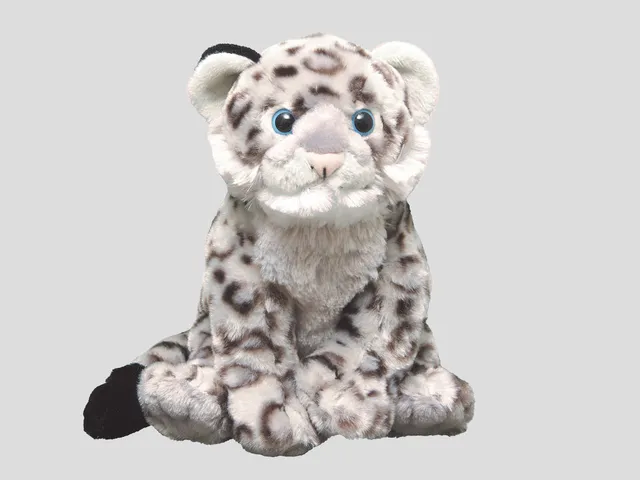
© WWF-US / WWFGifts
Adopt a snow leopard
Support WWF’s global efforts to protect wild animals and their habitats and choose from kits with plush and more.