© Pete Oxford / naturepl.com / WWF
Whale sharks
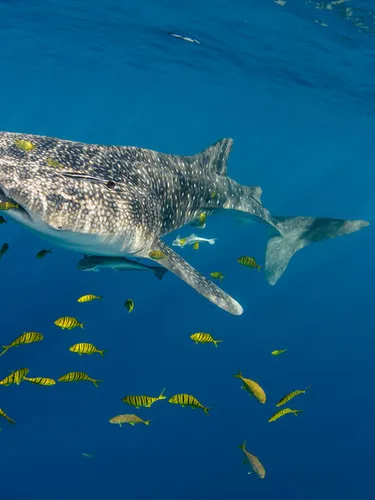
Whale sharks (Rhincodon typus) are the largest shark, and indeed largest of any fishes alive today. They feed on plankton and travel large distances to find enough food to sustain their huge size, and to reproduce. Whale sharks are found in all the tropical oceans of the world. Their white spotted colouration makes these gentle giants easy to distinguish, and popular with snorkelers and divers at sites where they aggregate off the coast.
The maximum size of whale sharks is not known, but could be as large as 60 feet. Females give birth to live young but this has never been observed. Where pupping occurs and where the youngest animals situate remains a mystery, as they are very rarely found. Adults are often found feeding at the surface, but may dive to 1000m. Whale sharks are protected from fishing in many countries these days, but are in decline in some areas.
Whale shark facts
- Status Learn more about endangered status categories and explanation
- Endangered
- Scientific name
- Rhincodon typus
- Weight
- About 11 tons
- Length
- Up to 60 feet
- Habitats
- Oceans
Why whale sharks matter
© Erkki Siirilä / WWF-Canon
Plankton eaters
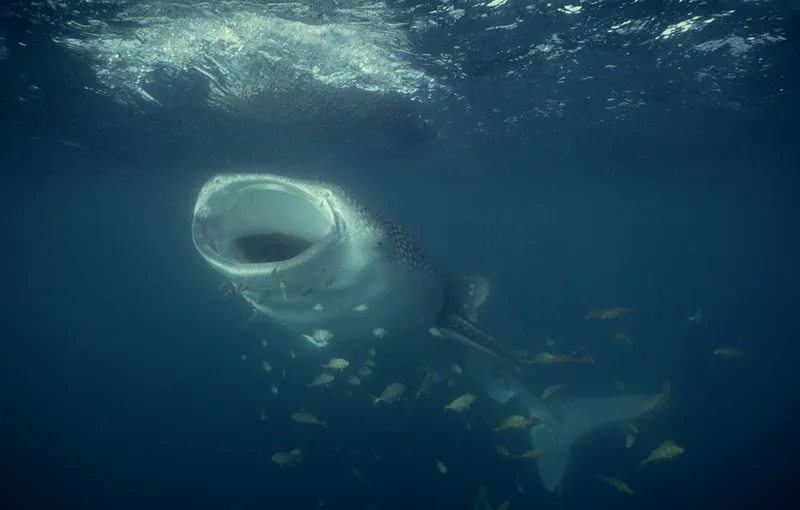
The whale shark is the biggest fish and shark in the world. These gentle marine giants roam the oceans around the globe, generally alone. However, large numbers of whale sharks often gather in areas with abundant plankton food—making them prime tourist attractions.The distribution of whale sharks indicates the presence of plankton and the overall health of our oceans.
Threats to whale sharks

© Jürgen Freund / WWF-Canon
Whale sharks are highly valued on international markets. Demand for their meat, fins and oil remains a threat to the species, particularly by unregulated fisheries. They are victims of bycatch, the accidental capture of non-target species in fishing gear. And whale shark tourism presents a threat to the species as it can interrupt their feeding and sharks can be injured by boat propellers.
How WWF is taking action to protect whale sharks
© Asrid Frisch/Karel Beets
Scientific research
WWF experts continue to study shark habits and gather information in the Coral Triangle on individual sharks by using satellite tags, sonar devices and digital cameras. The information is used to create further protections for whale sharks.
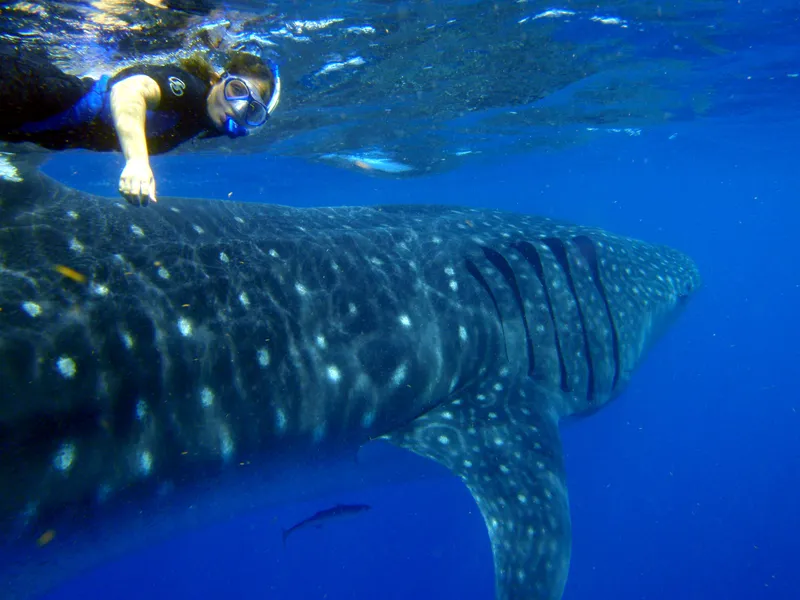
Every whale shark has a unique pattern of spots and stripes on their skin, and WWF uses them to identify individual sharks. Divers photograph the animal right above their pectoral fins and behind their gill slits. The photos are fed into a computer database. In the Philippines, WWF has identified 458 individual whale sharks since 2007.
WWF has also placed satellite tags on 29 whale sharks. Most tagged sharks stay within 125 miles from shore. All spend most of their time below 150 feet, rarely rising to the surface to feed. These results indicate that whale sharks are highly mobile and are transient feeders.
WWF also supports whale shark studies to learn more about the population, their habitat use and migratory pathways in the waters surrounding Mafia Island, Coastal East Africa.
Helping and improving whale shark tourism
Donsol Bay, Philippines, attracts huge numbers of whale sharks because of the high levels of plankton found in its water. WWF has helped with whale shark tourism there since 1998. We continue to work to ensure whale sharks stay safe during the frequent interactions they have with people and tour boats.
As whale shark tourism is very popular in Mexico, we educate tourists on codes of conduct for swimming with sharks. We also raise awareness with tour boat operators about the movements of sharks, which has resulted in fewer boat collisions with the animals.

© WWF-Philippines
How you can help
© WWF-US / WWFGifts
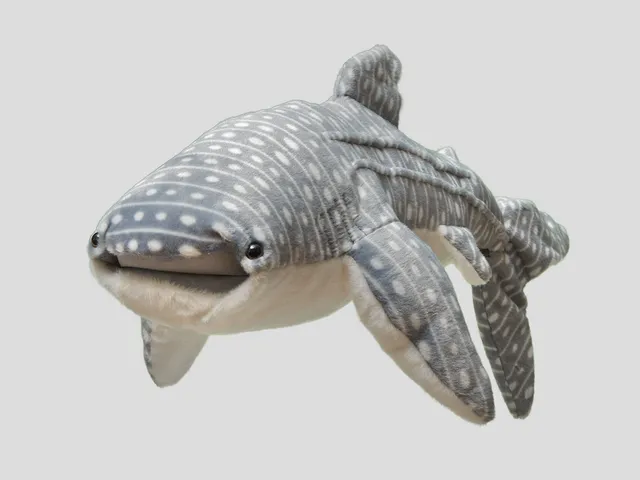
Adopt a whale shark
Support WWF’s global efforts to protect wild animals and their habitats and choose from kits with plush and more.