© Michel Gunther / WWF-Canon
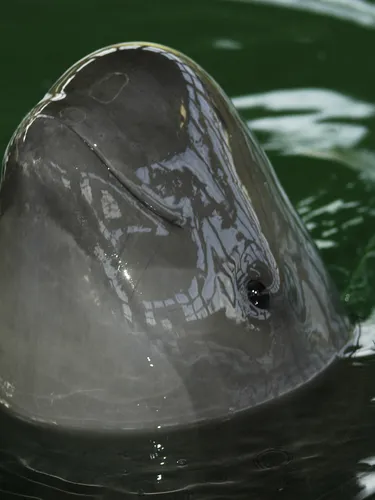
Yangtze finless porpoises
The Yangtze River, the longest river in Asia, used to be one of the only two rivers in the world that was home to two different species of dolphin—the Yangtze finless porpoise and the Baiji dolphin. However, in 2006 the Baiji dolphin was declared functionally extinct. This was the first time in history that an entire species of dolphin had been wiped off the planet because of human activity. Its close cousin, the Yangtze finless porpoise, is known for its mischievous smile and has a level of intelligence comparable to that of a gorilla.
Yangtze finless porpoise facts
- Status View status categories and descriptions
- Critically endangered
- Population
- 1,000–1,800
- Scientific name
- Neophocaena asiaeorientalis ssp. asiaeorientalis
- Length
- 6.2 feet
- Habitats
- Lakes, rivers
Threats to Yangtze finless porpoises

© Michel Gunther / WWF-Canon
Finless porpoises need an abundant food supply for survival. The destruction of the Baiji dolphin food supply was central to its extinction. Overfishing is the main factor that contributes to the decrease in finless porpoises’ food supply, but pollution and ship movement are factors as well.
How WWF is taking action to protect Yangtze finless porpoises

© Michel Gunther / WWF-Canon
Since 2002, WWF and partners have reconnected more than 40 floodplain lakes with the main stem of the Yangtze River to restore seasonal flows and allow the migration of species, like the finless porpoise, between the lakes and the river. This contributes to a secure food supply for the Yangtze finless porpoise. WWF also works to provide fishermen with feasible alternatives for income generation. This helps to develop the economy, stop overfishing and allows fishermen to contribute to the protection of the finless porpoise.
How you can help
© WWF-US / WWFGifts
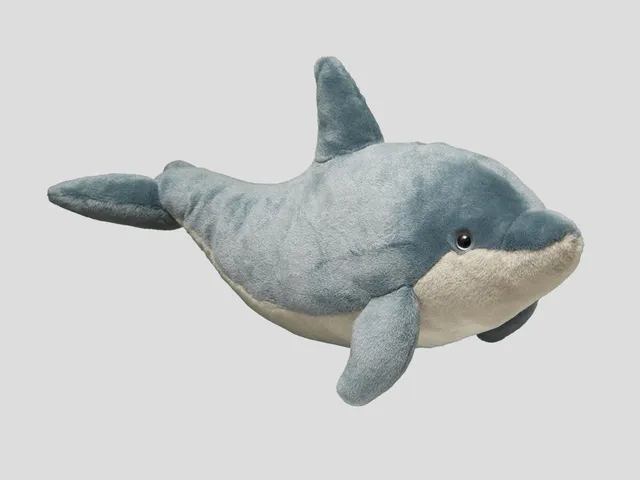
Adopt a dolphin
Support WWF’s global efforts to protect wild animals and their habitats and choose from kits with plush and more.