More Tigers in American Backyards than in the Wild
- Date: October 18, 2012
- In This Story:
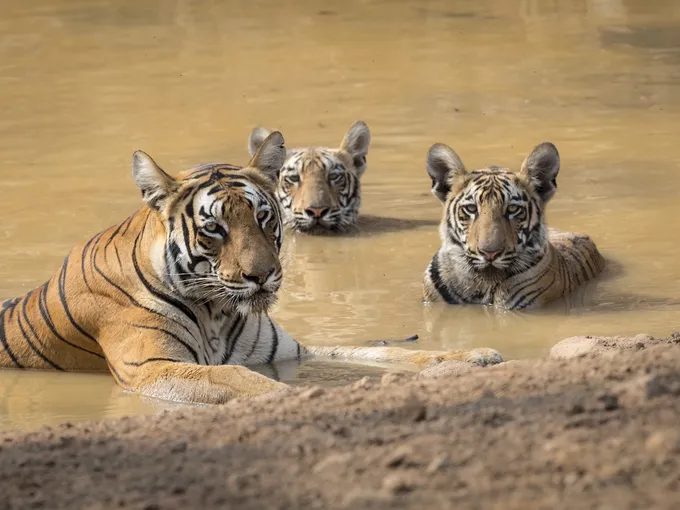
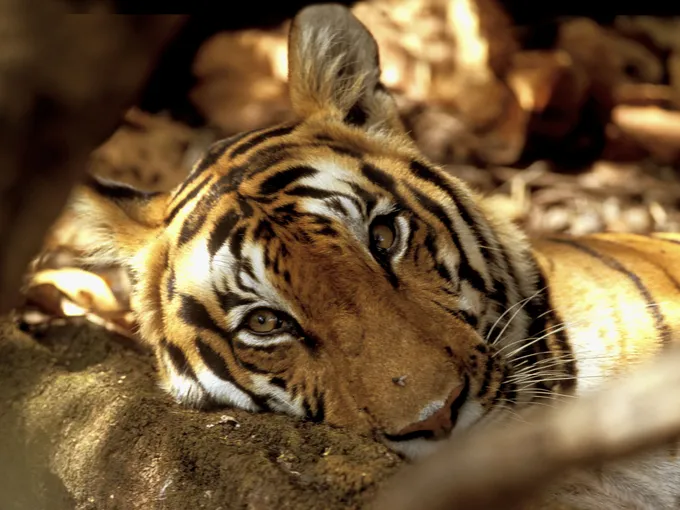
One of the world’s largest populations of tigers exists not in the wild—but in captivity in the United States. With an estimated 5,000 tigers, the U.S. captive tiger population exceeds the approximately 3,200 tigers in the wild.
This week—on the first anniversary of the Zanesville, Ohio tragedy —WWF was among several conservation and welfare organizations to submit a joint petition to the USDA asking for a ban on public contact with tiger cubs. This will help ensure public safety, slow the breeding of captive tigers, make them easier to track and stop wildlife crime by preventing captive tigers from leaking into the illegal wildlife trade.
A year after Zanesville, continued lax management of the captive tiger population means that thousands of these big cats are still found in backyards, urban apartments, sideshows, truck stops and private breeding facilities. Only six percent of the U.S. captive tiger population resides in zoos and other facilities accredited by the Association of Zoos and Aquariums. The rest are found in other private hands—some regulated by the U.S. Department of Agriculture, some under state regulation, and some under virtually no regulation at all.
In many jurisdictions, people can legally keep a tiger on their property without reporting it to local officials or neighbors. In some states, it is easier to buy a tiger than to adopt a dog from a local animal shelter.
A Risk to People and Wild Tigers
The lack of regulation of captive tigers is a major threat to public safety. Lax oversight means tigers can be held in areas that may not be adequately secured.
Officials are rarely able to determine how many tigers there are in captivity within state borders—or where they are, who owns them, or what happens to their body parts—highly prized on the black market— when they die.
When tiger ownership and breeding aren’t monitored, captive tigers become easy targets for black market sales, and those sales end up threatening wild populations too. The illegal trade in products derived from captive tigers stimulates demand, especially for tigers in the wild. The greater the demand, the more wild tigers will be poached.
WWF Calls for a Ban on Private Ownership of Tigers
For the past four years, WWF and TRAFFIC have raised the alarm on the lack of captive tiger regulation. We have called for a ban on private possession of big cats like tigers and lions and asked for those who currently require big cats be required to register these animals.
Thanks to prohibitions in the “Big Cats and Public Safety Protection Act” introduced in the House of Representatives earlier this year, the U.S. is now taking a step in the right direction. Last month, Senator John Kerry introduced a companion bill (S. 3547) in the U.S. Senate.
“As the Zanesville incident showed, it’s critical for America to clear out captive big cats from our backyards. This is a matter not only of public safety, but also of preventing captive tigers from being fed into the massive illegal tiger trade driven by a booming black market for tiger products.”
Leigh Henry
WWF Species Policy Expert
How You Can Help
Take Action
Pledge not to buy tiger parts and products. If you stop buying products made from tigers and other endangered species, we can help ensure a future for them.
Befriend a Tiger
"Like" our Tiger WWF page to keep up with the latest tiger updates and join our efforts to preserve its habitat and stop illegal tiger trade.
Adopt a Tiger
Make a symbolic tiger adoption to help save some of the world's most endangered animals from extinction and support WWF's conservation efforts.