Effects of climate change
Climate change poses a fundamental threat to the places, species and people’s livelihoods WWF works to protect.
© Peter Ewin, Rhys Gerholdt

© WWF-US / Steve Morello
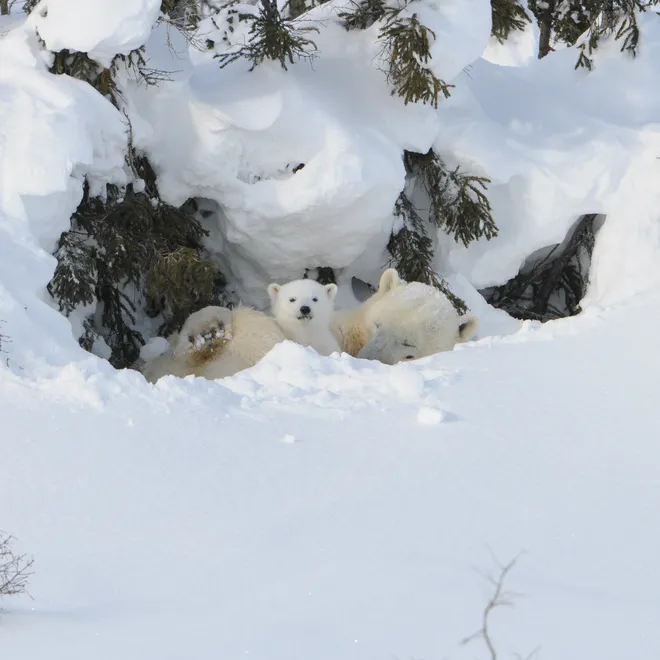
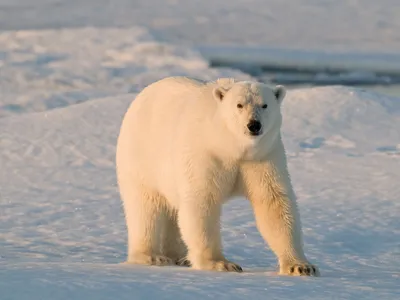
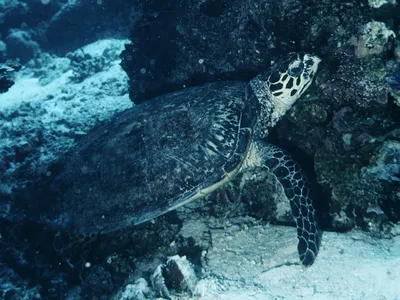
Sea levels are rising and oceans are becoming warmer. Longer, more intense droughts threaten crops, wildlife and freshwater supplies. From polar bears in the Arctic to marine turtles off the coast of Africa, our planet’s diversity of life is at risk from the changing climate.
Climate change poses a fundamental threat to the places, species and people’s livelihoods WWF works to protect. To adequately address this crisis we must urgently reduce carbon pollution and prepare for the consequences of global warming, which we are already experiencing. WWF works to:
- advance policies to fight climate change
- engage with businesses to reduce carbon emissions
- help people and nature adapt to a changing climate
Impacts

© USGS.gov
Humans and wild animals face new challenges for survival because of climate change. More frequent and intense droughts, storms, heat waves, rising sea levels, melting glaciers, and warming oceans can directly harm animals, destroy the places they live, and wreak havoc on people’s livelihoods and communities.
US cities at risk
As climate change worsens, dangerous weather events are becoming more frequent or severe. People in cities and towns around the United States are facing the consequences, from heat waves and wildfires to coastal storms and flooding.
Impacted places
© Brent Stirton / Getty Images
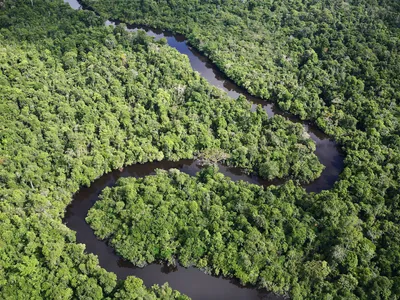
The Amazon
© Staffan Widstrand / WWF
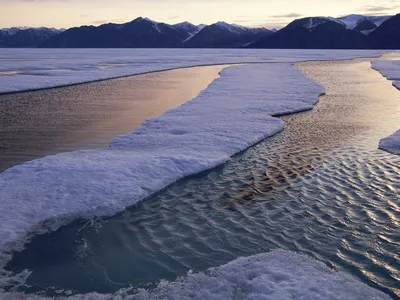
The Arctic
© Neyret & Benastar / WWF
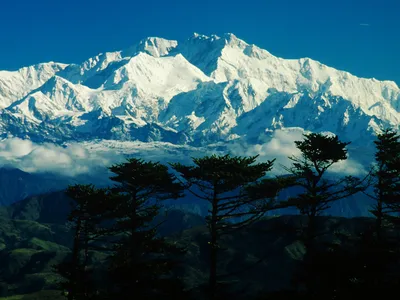
The Eastern Himalayas
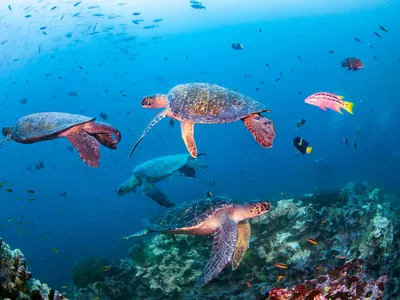
© Antonio Busiello/WWF-US
The Eastern Pacific Ocean
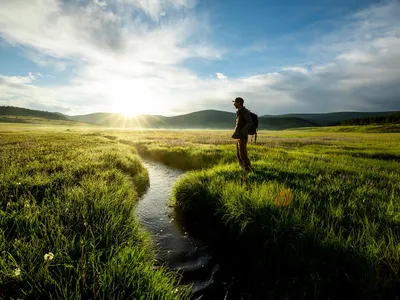
© Jordan Siemens/Digital Vision/Getty Images
The Great Plains
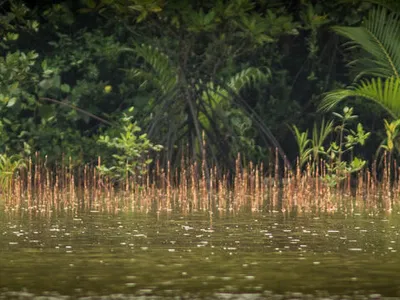
© WWF-Malaysia / Mazidi Abd Ghani
The Greater Mekong
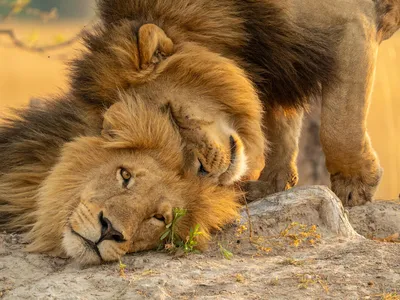
© WWF-US/Gareth Bentley
Southern Africa
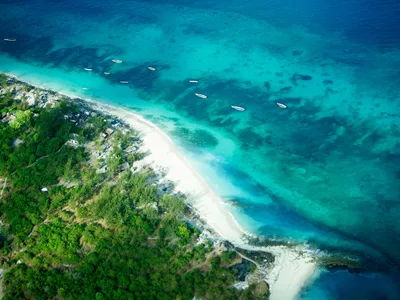
© Brent Stirton / Getty Images / WWF-UK
The Southwest Indian Ocean
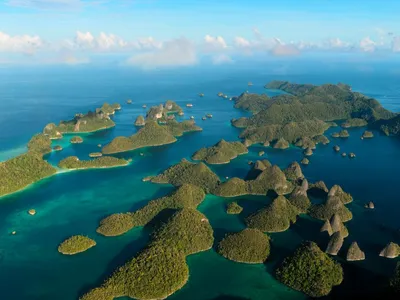
© Gemilang Dini Ar-Rasyid /Silverback/Netflix
The Southwest Pacific
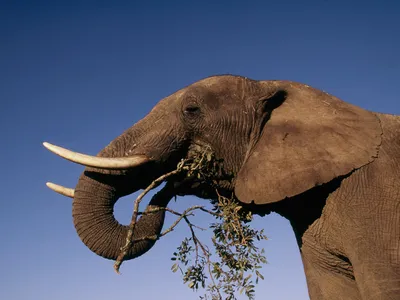
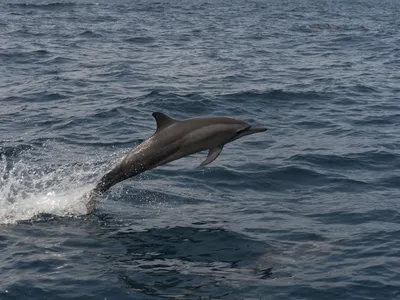
Impacted species
What WWF is doing

© Michel Gunther / WWF-Canon
To adequately address the climate crisis we must urgently reduce carbon pollution and prepare for the consequences of global warming, which the world is already experiencing. Combining global outreach with local expertise, WWF:
- helps people and nature adapt to a changing climate
- advances policies to fight climate change
- combats deforestation
- engages with businesses to reduce carbon emissions
- challenges US cities to prepare for more extreme weather
Challenging cities to prepare
As climate change worsens, dangerous weather events are becoming more frequent or severe in the United States and around the globe. WWF is challenging cities to transition toward 100% renewable energy and address local climate threats by implementing practical measures that improve air quality, protect water supplies, and reduce urban flooding. With your help, your community can take action too. Urge your mayor to take action on climate change by joining the Earth Hour City Challenge!
Adapting to climate change
To avoid the worst effects of climate change, we need to dramatically reduce global carbon emissions. But we must also prepare for the significant and unavoidable consequences of carbon emissions, such as increasing temperatures, shifting precipitation patterns, ocean acidification, sea level rise, and the increasing intensity and frequency of extreme weather events. WWF works with local communities, governments and others around the world to help nature and people prepare for the many impacts of a changing climate. To do this, we:
- Increase resilience of communities in Nepal by promoting new farming techniques, community weather monitoring and creating seed banks
- Restore beach vegetation to shade marine turtle nests in the Caribbean
- Secure access to fresh water for elephants in Thailand during periods of drought
- Identify areas where polar bears can live on solid Arctic sea ice for decades to come
Protecting forests
Forests are home to many of the world’s most endangered wildlife. They also protect the planet by absorbing carbon dioxide (CO2), a major source of pollution that causes climate change. WWF fights climate change by saving forests. To do this, we:
- Ensure that global climate change agreements reduce forest destruction and degradation and protect wildlife
- Work directly with countries, especially developing ones, to protect forests and benefit the livelihoods of local communities
- Use satellite images and aerial mapping technologies to track illegal logging
- Study the vulnerability of forests to climate change and explore ways to help them adapt
Influencing policy
Government must play a central role to tackle the climate crisis. WWF is an advocate at all levels of government. In the United States, WWF works to advance policies that reduce carbon pollution, support clean energy technologies, prepare for the effects of climate change, and curb deforestation. At international negotiations, WWF encourages the United States to play a constructive role in developing global climate agreements that:
- Substantially reduce carbon pollution to avoid the worst consequences of climate change
- Provide financial support to developing countries so people and nature can successfully adapt
- Combat forest destruction and protect wildlife that live there
- Help transition developing countries to clean energy sources like wind and solar
Engaging business
Businesses have a responsibility to reduce their contribution to climate change. WWF works in partnership with companies as part of WWF’s Climate Savers Program to set and meet goals to reduce carbon emissions, advance projects to protect their resources from climate impacts, and ensure the sustainability of their core business.
Protect nature now
Nature needs your urgent help. Donate to WWF today and protect the beauty of nature for generations to come.
© Guy Edwardes/naturepl.com/WWF